Archives: Projects |

Project news and reviews

Preserving Language Through Music and Film

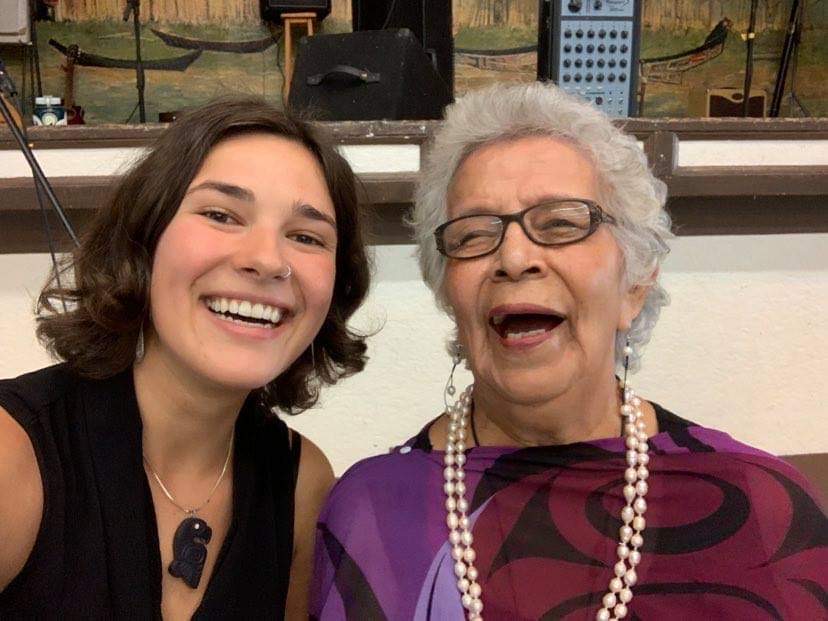
A music video project by the duo Siijuu Jaadas Cool Ladies, con­sist­ing of Hai­da Elder, weaver, and lan­guage teacher Jiixa (age 84), along with set­tler Julia (age 25). Julia makes the music and film for Jiix­a’s lan­guage-shar­ing. The two share a deep bond and a sense of humour that com­mu­ni­cates the Hai­da lan­guage in cre­ative new ways. They are inspired by Hai­da laws and ways of being, by the pow­er of food and laugh­ter in bring­ing peo­ple togeth­er, and by the land and oth­er beings that they share home with on Hai­da Gwaii.

Pre­serv­ing Lan­guage Through Music and Film
Behind the Scenes: Siijuu Jaadas Cool Ladies — Hai­da Lan­guage Rap Duo
By Julia Wed­er, May 2022

Intro: Here is a brief guide on how I approach mak­ing music videos with Hai­da Elder and lan­guage teacher Jiixa (Gladys Van­dal), involv­ing the Xaay­da kil (Hai­da lan­guage, Skide­gate dialect).

Quick con­text on the peo­ple involved: Jiixa is like a nanaay (grand­moth­er) to me. Despite being an adopt­ed mem­ber of her clan, Skide­gate Gidins Naa ‘Uuwans Xaayda­Ga, it is not my place as a set­tler to claim a sense of own­er­ship of the lan­guage. This lan­guage project was intend­ed to sup­port Jiixa in her own lan­guage-shar­ing and cre­ative visions, as she is huge­ly moti­vat­ed to share the lan­guage now that she is diag­nosed with ALS and has lim­it­ed mobil­i­ty. As a res­i­dent of Hai­da Gwaii and some­one com­mit­ted to advanc­ing Hai­da sov­er­eign­ty and respect­ing Hai­da law on these lands, I see learn­ing the Hai­da lan­guage as an impor­tant part of this life­long com­mit­ment. I car­ry this grat­i­tude and priv­i­lege with me through­out these cre­ative projects with Jiixa. And gee, we have a lot of fun.

STEP 1: Reflect on your place, respon­si­bil­i­ties, and the nuances of your pro­posed project.

What is your posi­tion­al­i­ty with­in the com­mu­ni­ty or folks you are engaged with? What are the prop­er pro­to­cols to fol­low when engag­ing with the Hai­da lan­guage (or any Indige­nous lan­guage or cul­tur­al prac­tice)? What are you doing to ensure you are mov­ing beyond “good inten­tions” and prac­tic­ing real self-aware­ness? What is your knowl­edge on the top­ic, and what kind of author­i­ty do you have on it? What is the qual­i­ty of the rela­tion­ships you have built? Who has con­trol over what is shared, and how? Who ben­e­fits from (or is harmed by) the work?

STEP 2: Think of a theme or sub­ject for your music video.

We thought of handy phras­es that fam­i­lies on Hai­da Gwaii might use in every­day life — eg. around the house, in the kitchen, on a trip. We want­ed to mix these in with expres­sions of love and friend­ship, as well as prayers and wise phras­es from Hai­da Elders that have been pre­served. We chose themes like “Food and Friend­ship”, “Trav­el­ing to the City”, and “Remem­ber­ing Lost Children”.

STEP 3: Have fun and exper­i­ment with film

We didn’t take our­selves too seri­ous­ly at all when mak­ing these rap songs. At spon­ta­neous moments — say, after a meal while sit­ting on the couch — I’d take out my iPhone and ask if Jiixa want­ed to record snip­pets of video for our next rap song. “Sure!”, she’d smile. We didn’t wor­ry about mim­ing lyrics or any­thing in these snip­pets — we just grooved our heads or hips to an imag­i­nary beat, maybe wear­ing a pair of sun­glass­es or a hat that was lying around.

STEP 4: Work on the lyrics.

Jiixa wrote the lyrics for each of our songs, some­times get­ting inspi­ra­tion from Hai­da lan­guage books pro­duced by the group of Elders involved in the Skide­gate Hai­da Immer­sion Pro­gram. I would write down phras­es or words that she’d speak out, and repeat them back to her until she was hap­py with the flow and con­tent. Some­times Jiixa want­ed me to speak/sing the lyrics. Once we had the lyrics writ­ten, we’d audio-record our­selves on the Voice Record­ing app on our phones.

STEP 5: Work on the music.

In Garage­Band (free on Apple devices), I made sim­ple beats from the com­put­er-key­board with­in the soft­ware (you can choose from a whole range of instru­ment sounds). I’d make a sim­ple tune over top of a bassy beat, then I’d adjust the tem­po of the music until it rough­ly matched the tem­po of our speech / singing / lyrics.

STEP 6: Edit

This is a fair­ly time-con­sum­ing process but lots of fun. I used free soft­ware (iMovie) on my Mac­book to edit togeth­er the audio clips, video clips, and music. First I export­ed the song and lyrics from Garage­band, and import­ed it into iMovie. Then I import­ed all the video clips and matched them up with the lyrics and music. We added intro and clos­ing slides with our names and every­one who helped out with the project.

STEP 7: Add sub­ti­tles / captions

It’s good prac­tice to include cap­tions in any video, regard­less of lan­guage, so that it’s acces­si­ble to non-hear­ing folks. Since our videos are in Hai­da, and the goal was to help peo­ple become more famil­iar with the lan­guage and pick up new words and phras­es, we’d spell out Hai­da cap­tions in large font and Eng­lish under­neath, in small­er font.

STEP 8: Share with the community!

We share our videos on Face­book and Youtube, and invite our friends and com­mu­ni­ty to give it a watch. We hope that these videos help moti­vate oth­ers to tell sto­ries and use the Hai­da lan­guage in their own cre­ative ways.

Juli­a’s email is julia.weder@gmail.com. Feel free to get in touch!

James Lyng High School: An Education Rooted in Popular Music

Nathan Gage and his stu­dents describe and reflect on their cre­ative work as musi­cians, bands and pro­duc­ers in their class­room record­ing spaces.

Here is a descrip­tion of a sec­ondary music pro­gram that draws upon pop­u­lar music in an effort to engage stu­dents with mean­ing­ful music mak­ing expe­ri­ences. The program’s empha­sis on musi­cal cre­ation cul­mi­nates in the annu­al release of an album-length “mix­tape” of orig­i­nal songs which the stu­dents have cre­at­ed. Cur­rent and pre­vi­ous mix­tapes can be found at www.upnextrecordings.com.

James Lyng music stu­dents choose between two “streams” to best match their musi­cal pref­er­ence and ambitions:

  • the “band” stream, with an empha­sis on instru­men­tal per­for­mance of rock and pop music, col­lec­tive song­writ­ing and recording
  • the “stu­dio” stream, in which stu­dents work alone or in small groups on song­writ­ing, record­ing or beat-mak­ing projects, usu­al­ly, but not exclu­sive­ly in the Hip Hop or R&B genres.

This is pre­sent­ed not nec­es­sar­i­ly as a mod­el to imi­tate but an illu­mi­na­tion of the pos­si­bil­i­ties of the many forms a stu­dent-cen­tred, com­mu­ni­ty based pro­gram can take in a cur­ric­u­lar context.

Who

Hi, my name is Nathan Gage. I live and teach music in the south-west of Mon­tre­al, Que­bec. James Lyng is a pub­lic high school that caters to a small, diverse stu­dent pop­u­la­tion, most of whom face sig­nif­i­cant chal­lenges. Many of our stu­dents come from neigh­bour­hood fam­i­lies liv­ing at or below the pover­ty line. Our school also hosts pro­grams that give addi­tion­al sup­port to stu­dents with spe­cial needs and behav­iour­al chal­lenges. Approx­i­mate­ly 80% of our stu­dent pop­u­la­tion is cod­ed with some kind of behav­iour­al or aca­d­e­m­ic chal­lenge. Here is a research arti­cle about our pro­gram.

Here is an intro video about our music pro­gram: The High School With A Hip Hop Program.

When I first sought to cre­ate a music pro­gram cen­tred around pop­u­lar music, I came to the con­clu­sion that if I want­ed to hook my stu­dents, I need­ed to give them con­trol in deter­min­ing what sort of music-mak­ing activ­i­ties they were car­ry­ing out, as well as what gen­res of music they were engag­ing with.

How

The ini­tial infra­struc­ture for the pro­gram was finan­cial­ly sup­port­ed by a McGill Uni­ver­si­ty research project. A pro­fes­sion­al-qual­i­ty record­ing stu­dio was installed in the base­ment of our high school, and for the first three years of the pro­gram, the research project’s bud­get paid to hire pro­duc­ers / rap­pers with whom I col­lab­o­rat­ed in the edu­ca­tion of my music stu­dents. Since the com­ple­tion of McGill’s involve­ment four years ago, we’ve man­aged to keep the vision of the music pro­gram alive, through ever-chang­ing sources of fund­ing — var­i­ous grants avail­able to us because of our sta­tus as a “have-not” school, as well as pock­ets of fund­ing from with­in our school board.

What it sounds and looks like

  • James Lyng Stu­dio Creation

This video shows stu­dents at work in a typ­i­cal class of our “stu­dio” stream. Stu­dents work­ing on the stu­dio side work almost exclu­sive­ly on music cre­ation projects — either beat-mak­ing or writ­ing and record­ing orig­i­nal songs. They work indi­vid­u­al­ly or in small groups.

  • James Lyng Instru­men­tal Creation

This video shows a small por­tion of the cre­ative work that goes in our “band” stream. While much of our school year is devot­ed to learn­ing cov­ers of pop and rock songs, each of our band class­es will write and record a song annu­al­ly to be includ­ed on the mix­tape. Songs are writ­ten col­lab­o­ra­tive­ly by the whole group.

This video focus­es on two groups. The first is my grade 7 class. The class had already com­posed chords and a riff for two sec­tions of the song. One was a chord pro­gres­sion which we col­lec­tive­ly com­posed by ana­lyz­ing and rear­rang­ing the chords from Bill With­ers’ song “Just The Two Of Us”. The class sug­gest­ed and audi­tioned a num­ber of com­bi­na­tions of the chords before vot­ing on a final chord pro­gres­sion. A riff for the sec­ond sec­tion of the song was brought to the group by one of the class’s gui­tar play­ers. The class had also col­lec­tive­ly writ­ten four lines of lyrics based on their expe­ri­ences in quar­an­tine. To write these lyrics, they brain­stormed a num­ber of words and phras­es based on the theme and used them to cre­ate a series of rhyming couplets.

The video starts with some of the stu­dents “MIDI-record­ing” melodies over a “mock up” record­ing of the two sec­tions that I pre­pared. The key­board has been recal­i­brat­ed so that stu­dents can focus on the white keys to cre­ate their melodies. This is some­thing I do with my youngest stu­dents so that their cre­ativ­i­ty isn’t sti­fled by tech­ni­cal con­sid­er­a­tions. Once all will­ing stu­dents have record­ed, we lis­ten back to the record­ings and try to iden­ti­fy the best moments so that we can try set­ting our lyrics to the stu­dents’ melodies.

This video shows an inter­est­ing moment when one of my stu­dents latch­es onto a com­bi­na­tion of lyrics (“I didn’t even know”) and melody and express­es that he thinks the lyrics should be repeat­ed. Some of the oth­er stu­dents object, as the rep­e­ti­tion wouldn’t work with the lyrics that the class had already cre­at­ed. The stu­dents then have to find a res­o­lu­tion (col­lec­tive song-writ­ing at its best!).

The sec­ond group fea­tured in the video is my Grade 9 class. Unlike the Grade 7 class, these stu­dents opt­ed not to write lyrics until after they’d cre­at­ed some melodies. My Grade 9 stu­dents are more expe­ri­enced and com­fort­able on their instru­ments. The chord pro­gres­sion was writ­ten by one.

  • What does suc­cess­ful music edu­ca­tion mean at James Lyng?

This is a video of myself and two of my stu­dents reflect­ing on what makes a suc­cess­ful music edu­ca­tion in the con­text of a pro­gram focused on pop­u­lar music and on stu­dent choice (Tran­scrip­tion June 27, 2022):

Nathan Gage: “As a music teacher, one thing that we often think about in the music edu­ca­tion world, or as teach­ers in gen­er­al, we think about what makes a good edu­ca­tion. Then you start think­ing about a per­son who’s well edu­cat­ed, what qual­i­ties or what have they learned, what makes them well edu­cat­ed, right? So then, as a music teacher, you start to think, what makes a per­son well musi­cal­ly edu­cat­ed, what kinds of things do they have to know? And I think tra­di­tion­al­ly, even some peo­ple still believe this, but there’s a kind of a set of rules set out by a bunch of like old white guys basi­cal­ly, say­ing, okay, you have to be able to read music, read tra­di­tion­al nota­tion, you have to be able to play a musi­cal instru­ment real­ly pro­fi­cient­ly, you have to know a bunch of Ital­ian phras­es, that kind of thing.

So then, for us, we do a pop­u­lar music pro­gram and the whole point of the pop­u­lar music pro­gram is that we take the cues of the stu­dents as to what they want to do musi­cal­ly. The idea is then, for me, when I think about what makes some­one well edu­cat­ed musi­cal­ly, maybe there are some things that are maybe absolute, but a lot of it comes from what does the stu­dent want to do? Where do they want music to kind of fit in their life after high school?

So, my first ques­tion for you guys is what do you guys think makes a per­son well edu­cat­ed musi­cal­ly? What kinds of things do you think could be there? And then my sec­ond part of the ques­tion is, where do you see music fit­ting into your life after high school? And as a school of Music, are we doing our part to get­ting you where you want to be? Like, musi­cal­ly, for after high school? You see what I’m say­ing? So what do you think the first part is?”

Stu­dent #1: “For the first part, I think being able to play with oth­ers or learn­ing how to play with oth­ers is a very impor­tant skill. But I def­i­nite­ly agree with what you’re say­ing in that you don’t need to know how to read music in order to be like pro­fi­cient in what you’re doing. But I do think that when we get more advanced, I think it def­i­nite­ly helps at least to know how to do some of these things. Maybe not read music, but like scales, or what­ev­er, I think that’s impor­tant in what you learn how to do.

Nathan Gage: “And so you’ve been read­ing tab. You read tab, and I think you learned to do that here. Right? And so do you think that’s impor­tant? When we say read­ing music, it includes that, so say, do you think in the future you want to go on the inter­net and find a song and learn to play it?”

“I think all those things are def­i­nite­ly a help, but you nev­er real­ly need to do those things if you don’t want to, because I think, real­ly, what music should be about is just being fun for you. I think imme­di­ate­ly once you have some­thing that you need to do, it’s more of a chore and not some­thing that’s fun. And that’s why if you’re not hav­ing fun doing music, you’re not real­ly doing any­thing. It touch­es on what I was say­ing before. When you start to get more advanced, you think you start to know what you’re doing, then yeah, those things will def­i­nite­ly help but I don’t think it’s nec­es­sar­i­ly required if you just want to have fun play­ing music.”

Stu­dent #2: “He basi­cal­ly just said every­thing. Every­thing that went through my mind, just came out of his mouth.” (laughs).

  • On Musi­cal Cre­ation at James Lyng

In this video, our stu­dio ani­ma­tor, Jason New­comen and I dis­cuss why song-writ­ing and music cre­ation are so impor­tant to James Lyng’s music pro­gram, as well as our hopes for music edu­ca­tion in the broad­er sense.

Nathan Gage: “I’m here with Jason New­comen, who is our stu­dio ani­ma­tor. He works on the stu­dio side with our stu­dents who want to focus on hip hop and R&B music. I thought it’d be good to have him in on this con­ver­sa­tion: what drew you towards cre­ative music mak­ing in your own teach­ing prac­tice? Maybe I’ll start.

For me, I would say that it goes hand in hand with this idea of the pop­u­lar music edu­ca­tion pro­gram, it goes hand in hand with a pro­gram that’s try­ing to ele­vate stu­dent voice. Part of the pop­u­lar music rev­o­lu­tion was that the per­former could be the song­writer, the per­former could be the com­pos­er. It sets itself apart from clas­si­cal music where you have the com­pos­er and you have a con­duc­tor and below them were the per­form­ers. It just flipped around, espe­cial­ly with punk rock music in the 70s, you know, the idea that you did­n’t even have to play a gui­tar that well, you could just bring out a gui­tar and if the song had enough pas­sion and the right hook or what­ev­er, this is could still be a song that was still lis­tened to 40 or 50 years later.

In my back­ground as a musi­cian, as a per­former, song­writ­ing and express­ing myself through music has been so impor­tant to my own musi­cal prac­tice. I want­ed to pass that on to my students.

On the instru­men­tal side, on the band side, we also do a lot of learn­ing to play our instru­ments through learn­ing cov­ers of rock and pop songs. On the stu­dio side, almost all of what you do is cre­ation. That’s all you do: song­writ­ing, beat mak­ing, all that cre­ation stuff.”

Jason New­comen: “In the last ten years, record­ing equip­ment and record­ing soft­ware has been so acces­si­ble to every­body on the Hip Hop side to the point where the biggest Hip Hop artists in the world are mak­ing songs in their base­ment with the same equip­ment that we’re using. It’s an oppor­tu­ni­ty for the kids on my side to learn a skill that they can con­tin­ue on their own time, and be pas­sion­ate about on their own time as well. I come from an era where we had to save up to get stu­dio time, you had to pay some­body who prob­a­bly would make some­thing dif­fer­ent with our music. Just to empow­er the kids by telling them that this is some­thing that they’re able to do on their own with very sim­ple tools, and use it as an oppor­tu­ni­ty to exer­cise their free­dom in cre­ation and their free­dom to express themselves.

Nathan Gage: “For me, I would say that’s very impor­tant. If we go back to the clas­si­cal par­a­digm with the com­pos­er, the con­duc­tor, the per­form­ers, and how that is entrenched so much in tra­di­tion­al music edu­ca­tion, think what that does to stu­dents. When we focus so much on music of the dom­i­nant cul­ture, we’re real­ly rein­forc­ing that cul­ture. You have to think for my stu­dents, for a stu­dent body that is very diverse, what that would do to them. It’s basi­cal­ly putting on a pedestal one cul­ture and not their own, and how they would feel about that over time. That’s why I think it’s so impor­tant. I hope what we do and I think what we try to do at all times is to flip that par­a­digm so that it cen­ters the stu­dents at the top of the par­a­digm, where the stu­dents’ voice and the stu­dents’ musi­cal pref­er­ences are what is ground­ing all of their music education.

I do know that music edu­ca­tion has done a lot of work in gen­er­al and a lot of teach­ers are work­ing hard to incor­po­rate music from dif­fer­ent cul­tures, but I still think that the struc­ture inher­ent in that clas­si­cal music par­a­digm is still very, very active in music edu­ca­tion and it’s very dif­fi­cult to get away from that.

For me, that’s why it’s real­ly, real­ly impor­tant to do these cre­ation projects because just nat­u­ral­ly when the stu­dent is doing the cre­ation and maybe work­ing through their own expe­ri­ences or try­ing to express their own expe­ri­ences through song, it nat­u­ral­ly cen­ters them so that their own expe­ri­ences are what are validated.”

Bio:

Nathan Gage (he/him) is a music edu­ca­tor liv­ing and work­ing in Mon­tre­al, Que­bec. Hav­ing come to the pro­fes­sion lat­er in life, he has a wealth of expe­ri­ence in the music indus­try, as a per­former and as a com­pos­er from which he can draw. He holds a bach­e­lor’s degree in music com­po­si­tion and has many years of expe­ri­ence as a pro­fes­sion­al jazz per­former, play­ing upright and elec­tric bass. He has toured exten­sive­ly through­out North Amer­i­ca and Europe with indie rock bands Shapes & Sizes (Asth­mat­ic Kit­ty Records) and Elfin Sad­dle (Con­stel­la­tion Records). He found­ed, man­aged and owned Pho­nop­o­lis, an inde­pen­dent record store, which the Mon­tre­al Gazette referred to as “an insti­tu­tion in the Mon­tre­al music scene.” He sold the store at the start of his teach­ing career. Nathan is pas­sion­ate about pop­u­lar music edu­ca­tion and stu­dent-cen­tered music edu­ca­tion and he strives to con­tin­ue his own edu­ca­tion as a music teacher.

For more infor­ma­tion, con­tact Nathan at ngage(at)emsb.qc.ca.

Music Takes You Higher: Collaborative Song-Writing with People Living with Dementia

What does col­lab­o­ra­tive music-mak­ing mean to you?

“I quick­ly real­ized that that was the point, in a way it was just to bring peo­ple togeth­er. I would arrive as myself where I was at as an empa­thet­ic human being and all of the mem­bers would meet me there with their indi­vid­ual life expe­ri­ences and how they were feel­ing on the day. And we would engage with each oth­er and the art that we would bring to the space.” (Artist, The Bitove Method)


Pur­pose: To use col­lab­o­ra­tive song-writ­ing to under­stand what music means to peo­ple liv­ing with demen­tia, build and nur­ture com­pas­sion­ate rela­tion­ships with peo­ple liv­ing with demen­tia, artists, vol­un­teers, stu­dents and oth­ers, and chal­lenge stig­ma­tiz­ing approach­es used with peo­ple liv­ing with dementia.


The Project and Approach: Most approach­es to music with peo­ple liv­ing with demen­tia are ground­ed in the bio-med­ical mod­el or per­son-cen­tered care. The bio­med­ical mod­el focus­es on dis­ease, symp­tom man­age­ment, and func­tion­al out­comes, where­as per­son-cen­tered care focus­es on the indi­vid­ual and uni-direc­tion­al inter­ac­tions. Both of these approach­es fail to cap­ture the cen­tral­i­ty of rela­tion­ships to growth, qual­i­ty of life and well-being. Our approach is ground­ed in rela­tion­al car­ing, where we inten­tion­al­ly attend to rela­tion­al process­es and use music for life enrich­ment, as a means to sup­port rela­tion­al capac­i­ties for con­nec­tion, and to fos­ter com­pas­sion­ate and rec­i­p­ro­cal rela­tion­ships among diverse peo­ple. See the Trans­lat­ing Rela­tion­al Car­ing into Rela­tion­al Arts hand­out and short video clip called “Music and Rela­tion­al Car­ing” for more information.


Music Takes You High­er orig­i­nat­ed as a musi­cal co-cre­ation between song­writer and Gram­my award win­ner, Simon Law, and mem­bers of the Dot­sa Bitove Well­ness Acad­e­my (DBWA), now known as The Bitove Method. You can learn about Simon Law, the facil­i­ta­tor of our col­lab­o­ra­tive music-mak­ing process, in the short video clip “Meet Simon”. You can also meet some of the mem­bers liv­ing with with demen­tia that were involved in our process by watch­ing the video clips “Meet Allan”, “Meet Robert”, and “Meet Sheru”. 

The DBWA is an arts-based acad­e­my for peo­ple liv­ing with demen­tia where the arts are val­ued not as ther­a­py or clin­i­cal inter­ven­tion but as a medi­um for rela­tion­al car­ing and life enrich­ment. The song was part of a larg­er project con­duct­ed by Chris­tine Jonas-Simp­son, Sher­ry Dupuis, Pia Kon­tos and Gail Mitchell and fund­ed by the Alzheimer’s Soci­ety of Cana­da Research Pro­gram, to explore expe­ri­ences of musi­cal engage­ment and the mean­ing of music in the lives of acad­e­my mem­bers. The project cul­mi­nat­ed in the cre­ation of a doc­u­men­tary film to cap­ture those mean­ings and expe­ri­ences and chal­lenge the stig­ma asso­ci­at­ed with demen­tia. You can view the trail­er or the full doc­u­men­tary film by click­ing on the video links below.


Our Process:


Step 1: Start with a rela­tion­al activ­i­ty that helps the mem­bers in your groups con­nect with one anoth­er. It could be as sim­ple as play­ing record­ed music or live col­lab­o­ra­tive music and then hav­ing a con­ver­sa­tion about the music and what it means to them. Alter­na­tive­ly invite peo­ple to be involved in a shar­ing cir­cle of curios­i­ty where mem­bers con­tribute thoughts on how they are feel­ing and sup­port each oth­er in those feel­ings. What­ev­er activ­i­ty you choose, use it as way to tran­si­tion between what peo­ple were doing before arriv­ing and their involve­ment in your col­lab­o­ra­tive song-writ­ing session/class/engagement.


Step 2: Begin the lyric writ­ing engage­ment using a brain­storm­ing ses­sion. You can explore any top­ic of inter­est to your group; ours was what music means and we asked ques­tions, such as:


  • “What does music mean to you?”
  • “What is it like to have music in your lives?”
  • “How does music relate to you?”


Before you begin, explain what you are doing and why. Record all the respons­es on a flip chart. To embody the rela­tion­al car­ing prin­ci­ples, you will want to be sure to include all mem­bers of your group in this cre­ative process. To help mem­bers think about what music means, engage them active­ly in music-mak­ing through singing, drum­ming, danc­ing, play­ing ukulele etc., and then ask what that expe­ri­ence felt like to draw out more ideas of what music means to them. You can use what­ev­er cre­ative process fits your group and facil­i­tates  free­dom to par­tic­i­pate and express ideas in diverse ways.


Here are some exam­ples of our mem­bers’ answers to the ques­tions that were asked:


  • Music to me is like when you eat a nice piece of cake […]; it just comes to me and I just love it.”
  • To me, music is the great­est equal­iz­er because music light­ens the room.”
  • “Music is my whole world.”
  • “[Music] makes you hap­py and takes the sad part away.”
  • Music is soul connection.”
  • Music is a mes­sage sent to the brain to enjoy happiness”


Step 3: Col­lab­o­rate in the writ­ing of the lyrics. The respons­es to the ques­tions (Step 2) and the brain­storm­ing session(s) become the basis for the col­lab­o­ra­tive writ­ing of song lyrics. Review the words, phras­es and images record­ed on the flip chart sheets, and invite mem­bers to look for com­mon themes, words, and ideas, or quotes. Ask what ideas go togeth­er; you may find one lead­ing idea emerges. For us it was “music takes you high­er”. This ideas stage, where you are explor­ing dif­fer­ent words and lyrics is a key stage. This is your mem­bers’ own expres­sion of an idea, which should always be cen­tral. Work col­lab­o­ra­tive­ly with your group to devel­op phras­es based on com­mon themes; you can choose to rhyme or not. Your role is to open up paths to cre­ative expres­sion for peo­ple liv­ing with demen­tia and find ways to make their con­tri­bu­tions work together.


Step 4: Cre­ate the music, which you can do by start­ing with either the melod­ic line and then adding har­mo­ny, or with a series of chords. Depend­ing on your famil­iar­i­ty with writ­ing music you can choose for the melody to reflect the lyrics, or not. Start by ask­ing the group ‘What emo­tions do you feel from our lyrics?’ ‘What emo­tions do you want our song to cap­ture?’ Answers to these and sim­i­lar ques­tions help estab­lish the tone and style for the music. This step can be under­tak­en col­lec­tive­ly with a facil­i­ta­tor or work­ing with a musi­cian who cre­ates the melody and then uses the col­lab­o­ra­tive process for feed­back and devel­op­ment. Whichev­er cre­ative route you take for the music, you will want to ask your entire group what they think of the melody line and be open to their sug­ges­tions and ideas for how it might go dif­fer­ent­ly, leav­ing open the pos­si­bil­i­ty of change and reassess­ment so that the music is owned by every­one. Active, care­ful lis­ten­ing, and repeat­ing words your group is using will help you to embody rela­tion­al caring.


Step 5: Com­bine the music and lyrics, share, prac­tice and “per­form” with your group. Using the musi­cal and rela­tion­al tal­ents with­in your group will sup­port build­ing con­nec­tions and being open to mutu­al influ­ences and learn­ing. Invite your par­tic­i­pants to share if they play an instru­ment (or have done so in the past) and look for ways to include that con­tri­bu­tion. Include them in devel­op­ing rhyth­mi­cal riffs for the song, for exam­ple. Your com­mu­ni­ty will sing their words from the heart. If you choose to record your song, the rela­tion­al car­ing phi­los­o­phy will guide you to include all mem­bers of the group, by embrac­ing their abil­i­ties, sup­port­ing the cre­ativ­i­ty of your group, and remem­ber­ing not to wor­ry about any per­ceived inac­cu­ra­cies. Simon describes more about our process in the video clips “Trans­for­ma­tion­al Pow­er of Music Mak­ing” and “Col­lab­o­ra­tive Cre­ative Process”. Con­sid­er teach­ing your group Music Takes you High­er using the Karaoke Sing-Along ver­sion avail­able below.


Tips and strate­gies for sup­port­ing rela­tion­al music-mak­ing can be found in the Trans­lat­ing Rela­tion­al Car­ing into Rela­tion­al Arts handout.

Let’s Reimagine: Challenging the Stigma of Dementia Through Collaborative Song-Writing

 “There’s a human con­nec­tion, despite what some peo­ple like to think… Despite age or dis­abil­i­ty, there’s a human­ness amongst all of us if you look for it. And that’s what we’re try­ing to do with this song.” — Wal­ly Cox (Reimag­in­ing Demen­tia coali­tion member)


The Coali­tion: Reimag­in­ing Demen­tia: A Cre­ative Coali­tion for Jus­tice is an inter­na­tion­al group of demen­tia activists and allies, includ­ing peo­ple liv­ing with demen­tia, fam­i­ly mem­bers, pro­fes­sion­als, artists, researchers, pol­i­cy mak­ers and oth­ers – all of whom share a vision of life, care and sup­port that pro­motes inclu­sion, rela­tion­al­i­ty, cre­ativ­i­ty, joy and the pos­si­bil­i­ty of growth for every­one liv­ing with demen­tia.  


The Project: Let’s Reimag­ine is a co-cre­at­ed song and video project that aims to chal­lenge stig­ma, and show how peo­ple liv­ing with demen­tia can engage, con­nect and live a vibrant cre­ative life in com­mu­ni­ty with oth­ers. The song and video devel­op­ment process was facil­i­tat­ed entire­ly online by two-time Gram­my award win­ning musi­cian Simon Law, who also pro­duced the song in col­lab­o­ra­tion with over 700 musi­cians, song-writ­ers, peo­ple liv­ing with demen­tia, fam­i­ly care part­ners, and oth­er mem­bers of the coali­tion from dif­fer­ent parts of the world.  


Guid­ing Prin­ci­ples:  


Let’s Reimag­ine was ground­ed in two key par­tic­i­pa­to­ry approach­es: 


1. Lib­er­a­to­ry Arts: Lib­er­a­to­ry arts uses the arts for social jus­tice pur­pos­es to chal­lenge assump­tions, expose harm­ful prac­tices and social rela­tions, and imag­ine and effect new pos­si­bil­i­ties for address­ing inequities and enhanc­ing qual­i­ty of life. Lib­er­a­to­ry arts are par­tic­i­pa­to­ry, inclu­sive of diverse (and all) voic­es, cre­ative, dia­log­i­cal, trans­for­ma­tive, con­scious­ness-rais­ing, de-cen­tring, com­mu­nica­tive, and eval­u­a­tive.   


2. Authen­tic Part­ner­ships: Authen­tic part­ner­ships rec­og­nizes the capac­i­ties of peo­ple liv­ing with demen­tia and seeks to work in part­ner­ship with diverse stake­hold­ers, includ­ing peo­ple liv­ing with demen­tia, to chal­lenge stig­ma and pro­mote inclu­sion and social jus­tice for all peo­ple with demen­tia. Co-cre­at­ed with peo­ple liv­ing with demen­tia, the approach artic­u­lates what is essen­tial to sup­port and sus­tain authen­tic col­lab­o­ra­tive deci­sion-mak­ing that is inclu­sive of peo­ple liv­ing with demen­tia (see the Authen­tic Part­ner­ship hand­out for more infor­ma­tion).


Co-Cre­at­ing Let’s Reimag­ine: To make this project tru­ly inclu­sive of diverse per­spec­tives, and to cen­ter the voic­es of peo­ple liv­ing with demen­tia, the song-writ­ing and pro­duc­tion process includ­ed the fol­low­ing: 

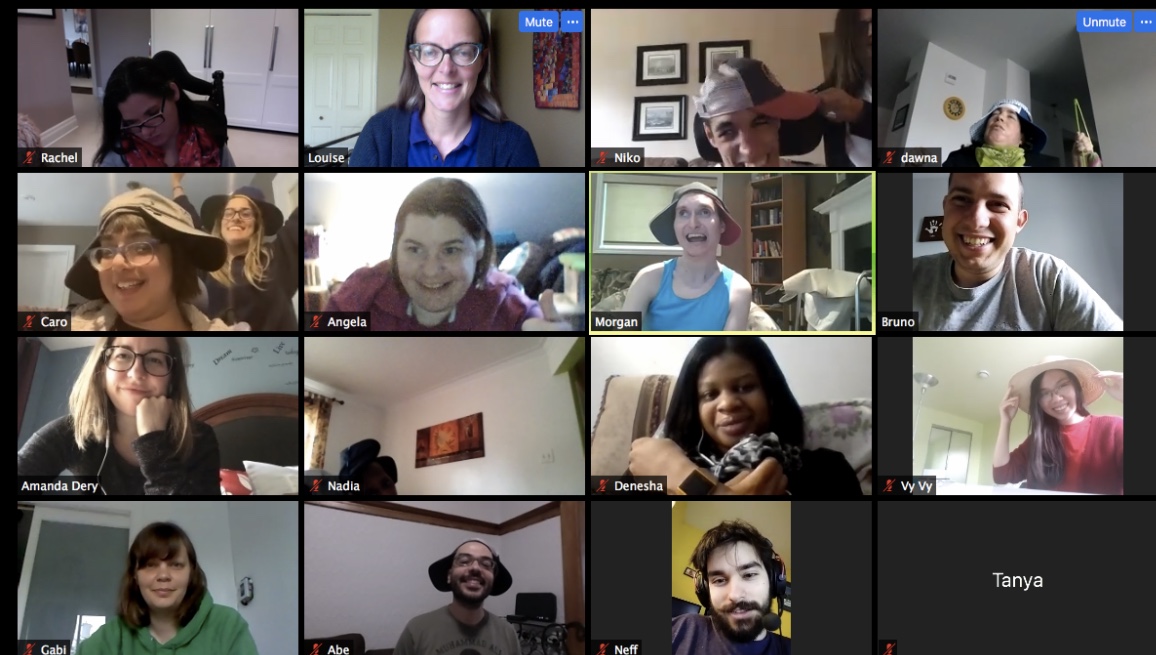
  • series of online arts-based and play­ful activ­i­ties with coali­tion mem­bers aimed at iden­ti­fy­ing key mes­sages to be reflect­ed in the song. Draw­ing on the diverse tal­ents of coali­tion mem­bers, we worked in small groups, using break­out rooms to dis­cuss and cre­ative­ly rep­re­sent how they “re-imag­ine demen­tia” by ask­ing: “what do you want the world to know about demen­tia?” “What does re-imag­in­ing demen­tia mean or look like for you?”
    • For instance, group mem­bers rep­re­sent­ed their dis­cus­sions through poems, spo­ken word, art, and songs. You can try this activ­i­ty with any group by ask­ing them “What do you want the world to know about .…?”, “What do you need to live well?” etc. Then ask them to come up with images and words that reflect their answers to the ques­tions. These images can be pulled togeth­er into a col­lab­o­ra­tive col­lage or you could work with the group to cre­ate a poem out of the words they come up with. The col­lage and/or poem can then be the start­ing point for a song.
  • Record­ing inter­views with coali­tion mem­bers liv­ing with demen­tia to explore their expe­ri­ences of stig­ma which were direct­ly includ­ed in the song.
  • Col­lab­o­ra­tive­ly ana­lyz­ing dis­cus­sions and out­puts pro­duced dur­ing those activities/interviews which were used to inspired the lyric cre­ation and the devel­op­ment of musi­cal riffs for the song. 
  • Work­ing with peo­ple liv­ing with demen­tia and oth­er mem­bers of the coali­tion to audio-record dif­fer­ent parts of the song, pri­or­i­tiz­ing the voic­es of peo­ple liv­ing with demen­tia as soloists for the vers­es of the song. 
  • Invit­ing coali­tion mem­bers, orga­ni­za­tions, and broad­er com­mu­ni­ty part­ners from around the world to share pho­tos, video clips, and art rep­re­sent­ing what it means to live well with demen­tia that were then used for a music video to accom­pa­ny the song. 

Sup­ports: The Coali­tion uti­lized the fol­low­ing strate­gies to sup­port the col­lab­o­ra­tive song-writ­ing process:  

  • Form­ing a small­er song-writ­ing com­mit­tee (approx­i­mate­ly 7 peo­ple) respon­si­ble for con­sol­i­dat­ing the ideas formed at the larg­er mem­ber gath­er­ings, and draw­ing on these to cre­ate ini­tial song lyrics. In an iter­a­tive process, ideas were shared with the larg­er group for feed­back and used to help to devel­op the lyrics, and this process con­tin­ued until every­one was hap­py with the lyrics.
  • Draw­ing on the diverse tal­ents of mem­bers to cre­ative­ly explore mes­sages impor­tant to share in the song.  
  • Draw­ing on Coali­tion mem­ber net­works to bring in more per­spec­tives, inputs and voic­es (i.e., reach­ing out to com­mu­ni­ty choirs and musi­cians from dif­fer­ent coun­tries to sing and play parts of the song; invit­ing mem­bers to share pho­tos and videos of them­selves, friends and/or fam­i­ly mem­bers liv­ing well with demen­tia; part­ner­ing with ther­a­peu­tic recre­ation­ists, life enrich­ment staff, and music ther­a­pists in day pro­grams, res­i­den­tial aged care set­tings, and oth­er pro­grams to sup­port peo­ple liv­ing with demen­tia in learn­ing and singing parts of the song, danc­ing to the song, and/or cre­at­ing art­work or plac­ards that chal­lenge the stig­ma asso­ci­at­ed with demen­tia and show­case the cre­ativ­i­ty of peo­ple liv­ing with demen­tia). To see exam­ples please refer to the gallery.  
  • Sup­port­ing mem­bers to learn about and nav­i­gate Zoom, and use tech­nol­o­gy to record parts of the song (i.e., host­ing learn­ing ses­sions on Zoom to prac­tice the song and how to record it on dif­fer­ent devices; cre­at­ing and email­ing a hand­out to mem­bers with instruc­tions on how to record vocals; hav­ing 1:1 Zoom meet­ings with mem­bers who need­ed extra sup­port in the record­ing process).  

Con­sid­er­a­tions: Remem­ber­ing the pur­pose and goal of this project while col­lab­o­rat­ing with over 700 peo­ple was chal­leng­ing at times. For exam­ple, we found that hav­ing input from so many peo­ple gen­er­at­ed many more ideas than could be reflect­ed in the song, which made it dif­fi­cult to ensure that all voic­es were includ­ed. We found it was impor­tant to remind our­selves of our authen­tic part­ner­ship phi­los­o­phy and to engage in crit­i­cal reflec­tion about our pri­or­i­ties and objec­tives. With this reflec­tion we re-affirmed the impor­tance of cen­tring the voic­es of peo­ple liv­ing with demen­tia in both the cre­ation and record­ing of the song, which was piv­otal to our deci­sion to extend the project time­line to ensure that peo­ple liv­ing with demen­tia were fea­tured as soloists in the song. You can hear about what it was like to be involved in this process for one of our soloists liv­ing with demen­tia by watch­ing the short video clip “Inspir­ing Hope Through Col­lab­o­ra­tive Engage­ment”. Oth­er mem­bers of our team share their expe­ri­ences in the full “Launch Par­ty” video. You can hear the song Let’s Reimag­ine and watch the video by click­ing on the link to “Let’s Reimag­ine” below. 


Broad­en­ing Engage­ment: To inspire broad­er glob­al social engage­ment, we includ­ed resources on our web­site (i.e., song lyrics and audio files) for any­one who want­ed to cre­ate their own ver­sions of the song and/or video. For exam­ple, Reimag­ing Demen­tia Malaysia cre­at­ed their own lyrics and music video from the audio tracks pro­vid­ed on our web­site. We invite oth­ers to cre­ate their own or new ver­sions of the song and share those with us. Please refer to the lyric sheet and audio tracks pro­vid­ed on this page 


Quotes From The Project:

  • “Every­one can thrive if we believe it and are bold enough to try it”
  • “I use music to chase away the brain fog on those days where I can’t real­ly think straight. […] I do a lot of reimag­in­ing, espe­cial­ly on rough days, and it was great and a won­der­ful oppor­tu­ni­ty to do this.”
  • What’s impor­tant is to […] go for­ward and be loved and love, and I think that this kind of thing shows that.”
  • I hope that it brings about free­dom, and edu­ca­tion for those who have a stereo­typ­i­cal view of what demen­tia looks like and how it can be reas­sur­ing to turn it around to see how peo­ple can live hap­pi­ly […]; they can still express them­selves and they can still have fun.”
  • Music is such a pow­er­ful thing; it’s just one of those things that goes into your soul […] and I wish more peo­ple would do this — dis­cov­er things that they can enjoy, but that also brings them peace and calm.”

At home with Ira Lee — Freestyle rap, participatory music, and improvised musicking — Skill building for digital artists, creatives, and the curious.

Through an inclu­sive and expe­ri­en­tial lens, this project intro­duces Freestyle rap, par­tic­i­pa­to­ry music, and impro­vised musick­ing through group skill build­ing activ­i­ties for dig­i­tal artists, cre­atives, and the curi­ous. Our par­tic­i­pa­to­ry project brings togeth­er holis­tic approach­es to art ther­a­py, social con­struc­tivism, and non ver­bal com­mu­ni­ca­tion using improvisational/ freestyle cre­ativ­i­ty. Skillsets cru­cial to all gen­res and medi­ums of con­tem­po­rary art, with a spe­cif­ic val­ue to arts edu­ca­tors, per­form­ers, dancers, musi­cians, singers, poets, rap­pers, visu­al artists and all cre­atives. Rec­og­niz­ing the many artists, employ­ees and arts orga­ni­za­tions, and their loved ones whose health and liveli­hoods have been dis­pro­por­tion­ate­ly affect­ed by the glob­al spread of COVID-19, this project can be facil­i­tat­ed ‘live’ in per­son, as a hybrid, ‘teacher live / young artists at home’ or asyn­chro­nous­ly — at artists own time via free, step by step work­shop down­load — avail­able in HERE. ‘At Home with Ira Lee’ is designed to resource BIPOC/Si2+LGBTQ cre­atives fac­ing bar­ri­ers such as; lim­it­ed access to mean­ing­ful edu­ca­tion­al expe­ri­ences and oppor­tu­ni­ties and rural/ remote artists with lim­it­ed broad­band access. 


*Please con­tact Ira Lee at lazers.are.sharpl@gmail.com if you’d like to know more about the project.*

Work­shop Breakdown


Dura­tion: 1 hour 

Lan­guages: EN/FR

Sug­gest­ed ages —  5 to 12 years of age, 13 to 18 years of age, Adults, Seniors, Intergenerational

Ped­a­gogy — Equi­ty Cen­tred Content/ appro­pri­ate for SI2+LGBTQ and excep­tion­al learners.

Work­shop Contents


SAM AND IRA WORKSHOP LINKS and PD DL (FREE)  for a more flu­id, dynam­ic and mean­ing­ful cre­ative learn­ing experience. 


(Ref­er­ence Slide 1/pdf.) 


Intro­duc­tion:  Who the fudge is? (Insert instructor/ artist/ educator’s name, bio, his­to­ry and high­lights  here)


(Ref­er­ence Slide 2/pdf.)  


What is Musick­ing? (10 — min sug­gest­ed, solo or in groups ) 


2.b Activ­i­ty Description


Goal: Group dis­cus­sion. What do you think par­tic­i­pa­to­ry music, ‘freestyle’, and impro­vi­sa­tion­al cre­ativ­i­ty means, why learn, and where to start? Build­ing on social con­struc­tivism dis­cus­sion points, ask group for exam­ples, opin­ions, and guess­es. Then pro­vide gener­ic def­i­n­i­tions, inclu­sive goals, and cre­ative applications. 


 (Ref­er­ence Slide 3/pdf.) 


A beginner’s guide: Top 3 most impor­tant tips to suc­cess­ful improvisation 


3.b Goal:  Review and dis­cuss.  (5 min­utes, group discussion)


4.b Goal, Review sam­ple  (3:00 minutes)

‘Do your­self, the cre­ators truth’s’ — Sam and Ira Lee’s (‘Do your­self’ freestyle sto­ry­telling vs instru­men­tal impro­vi­sa­tion) FREE DL/ ‘LINK HERE’ 


(Ref­er­ence  Slide 4 in pdf)


4.b Activ­i­ty :  Learn to Let go  (20 mins total sug­gest­ed time, solo or in groups, no ‘isms’ ie: sex­ism, racism, tokenism, ableism, etc. ) 


Activ­i­ty Description/ Goal 


  • For three min­utes, try to rap, rhyme, sing, dance, or impro­vised — for 3 min­utes straight, out loud. If you make a mis­take, keep going, for 3 whole min­utes. Try your best, and prac­tice hav­ing fun, mak­ing hilar­i­ous mis­takes, and exper­i­ment­ing with ideas, the tone, rhythm and ener­gy of your voice, and try to impro­vise a sto­ry / con­cept that is com­plete­ly spon­ta­neous! (solo, no rhythm, beat)


  • Now - For three min­utes, try to rap, rhyme, sing, dance, or impro­vise in groups of two or more — for 3 min­utes straight, out loud. If you make a mis­take, keep going, for 3 whole min­utes. Try your best, and prac­tice hav­ing fun, mak­ing hilar­i­ous mis­takes, and exper­i­ment­ing with ideas, the tone, rhythm and ener­gy of your voice, and try to impro­vise a sto­ry / con­cept that is com­plete­ly spon­ta­neous! (no rhythm, or beat) 


ADVANCED


For 3 min­utes, try to rap, rhyme, sing, dance, or impro­vise in groups of two or more — for 3 min­utes straight, out loud, to a rhythm or beat, or musi­cian, or even a beat­box!  If you make a mis­take, keep going, for 3 whole min­utes. Try your best, and prac­tice hav­ing fun, mak­ing hilar­i­ous mis­takes, and exper­i­ment­ing with ideas, the tone, rhythm and ener­gy of your voice, and try to impro­vise a sto­ry / con­cept that is com­plete­ly spontaneous! 


        c) Goal:  Review and dis­cuss favourite moments, fun­ni­est moments, best mis­takes, pain points and over­all feel­ings about the last two min­utes of impro­vis­ing in small . large groups.


 ( Ref­er­ence Slide 5.pdf.)   


       5.  I wish my favourite pop­u­lar artists weren’t racist, sex­ist, homophobes.


 Activ­i­ty sample/ review/ video — Sam and Ira Lee’s (‘Dig­i­tal Lit­er­a­cy vs. Com­put­er Sci­ence) FREE DL/ mp4/wav ‘LINK HERE’ 


 5.b Activ­i­ty Descrip­tion : Group dis­cus­sion. Respon­si­bil­i­ty, account­abil­i­ty and per­son­al pow­er in art. Dis­cus­sion points, ‘appro­pri­a­tion, racism, sex­ism and dis­crim­i­na­tion, and how taste/ style/ orig­i­nal­i­ty, and hon­esty serve to grow artists beyond stereo­types, and remove bar­ri­ers for all to create. 


Thought starters — 


  • Ask the group for exam­ples of favourite dancers, singers, writ­ers, poets and artists.

  • Ask  the group to name their favourite under­ground Cana­di­an artists.

  • Ask the group for their favourite local/ artists in the city.

  • Dis­cuss–  if and how dig­i­tal lit­er­a­cy and STEM can play trans­for­ma­tive roles in both skills devel­op­ment, access to edu­ca­tion and pro­fes­sion­al devel­op­ment tools, brand­ing and reach skill sets, and how to cre­ate more oppor­tu­ni­ties to use your art to make a sus­tain­able dif­fer­ence in your com­mu­ni­ty — dig­i­tal­ly and in person. 


    5c.  The Fugue State vs. The Flow State  Review and dis­cuss slide (5 min­utes, group discussion)


(Ref­er­ence Slide 6 in pdf)


6.  No BS Chal­lenge  (20 mins total sug­gest­ed time, solo or in groups, no ‘isms’ ie: sex­ism, racism, tokenism, ableism, etc. ) 


 What you need — Any kind of record­ing device ie: PC, Cell­phone, com­put­er mic, etc) and 

your favourite beat, rhythm, instru­ment, or song! (to dance, paint, or par­tic­i­pate with)


 Activ­i­ty Description


  • For thir­ty sec­onds, try to rap, rhyme, sing, dance, or impro­vise — a sto­ry. With at least one char­ac­ter, one loca­tion, and one prob­lem — not using any deroga­to­ry lan­guage. Don’t be afraid to make a mil­lion, a bil­lion mis­takes. The only goal is to do your best, and not stop impro­vis­ing for 30 seconds. 


  • Now - For 1 minute, try to rap, rhyme, sing, dance, or impro­vise — a sto­ry. With at least one char­ac­ter, one loca­tion, and one prob­lem — not using any deroga­to­ry lan­guage, while record­ing it. Don’t be afraid to make a mil­lion, a bil­lion mis­takes. The only goal is to do your best, and not stop impro­vis­ing for 30 seconds. 


  • Final­ly! —  for 2 full min­utes, try to rap, rhyme, sing, dance, or impro­vise — a sto­ry. With at least one char­ac­ter, one loca­tion, and one prob­lem — not using any deroga­to­ry lan­guage, while record­ing it. Don’t be afraid to make a mil­lion, a bil­lion mis­takes. The only goal is to do your best, and not stop impro­vis­ing for 30 sec­onds. Then, lis­ten either in small groups, or pri­vate­ly. GOAL: Learn to get used of your voice, find your favourite parts, favourite moments, and hear your­self the way the world does. 

6.b   Non Ver­bal Com­mu­ni­ca­tion in freestyle rap, par­tic­i­pa­to­ry music, and impro­vised musicking


Activ­i­ty Description


 Watch Sam and Ira Lee’s (I had a pret­ty weird week) FREE DL/ mp4/wav on the CMC youtube chan­nel ‘LINK HERE’  


  • Break into groups of two and prac­tice telling a sto­ry with no words. Using facial expres­sions, space, actions, move­ment and emo­tion! Tell a sto­ry, with no words!


Dis­cus­sion point — How did this activ­i­ty make you feel? Was it more dif­fi­cult to par­tic­i­pate? Do you feel all peo­ple who com­mu­ni­cate dif­fer­ent­ly deserve a chance to com­mu­ni­cate how they choose? What are some of the ways we can learn to lis­ten, and lis­ten to learn?


At home with Ira Lee END 


Freestyle rap, par­tic­i­pa­to­ry music,  and impro­vised musick­ing —  Skill build­ing for dig­i­tal artists,  cre­atives, and the curi­ous.

Thank you for your time and for hav­ing fun learn­ing and doing with us!  For more free arts, cul­ture and devel­op­ment resources, please see therealplains.com. 

Bringing Everyone Together: Music in Long term care during a Pandemic

This project brought music to res­i­dents of Colum­bia For­est Long Term Care (LTC) dur­ing the COVID-19  pan­dem­ic, a time of incred­i­ble unpre­dictabil­i­ty, iso­la­tion, fear, and change. The project trans­formed into using music to bring togeth­er LTC staff, res­i­dents and fam­i­ly mem­bers in a stress­ful time where there was more focus on “dis­tance” than unity.

The Project Goals were:

  • To cre­ate a sense of uni­ty and belonging
  • To unite and bring togeth­er res­i­dents and staff in long term care (LTC )homes
  • To empow­er res­i­dents in express­ing them­selves through musi­cal creations
  • To encour­age and empow­er staff to use music through­out their work day
  • To use music as an oppor­tu­ni­ty for staff and res­i­dents to engage and relate to each other
  • To use adapt­able music expe­ri­ences when need­ed to fit an ever chang­ing environment

This project hap­pened organ­i­cal­ly, but in 3 phases.

1. Phase one: Using Music to bring Res­i­dents together. 

In this phase, musi­cal expe­ri­ences were used as a forum to encour­age social engage­ment. Week­ly music groups were con­duct­ed for the res­i­dents by a trained music ther­a­pist who was work­ing in the recre­ation depart­ment. The music groups pro­vid­ed var­i­ous inter­ven­tions such as singing famil­iar songs, instru­ment play­ing, and move­ment to music and were cre­at­ed to fit the needs of the res­i­dents. Music groups includ­ed a week­ly bell choir which brought togeth­er res­i­dents from the same floor but dif­fer­ent units. Please see the video below to watch an excerpt of the bell choir (.13sec) .

2. PHASE TWO: Music expe­ri­ences for the res­i­dents and staff/family care­givers in indi­vid­ual settings 

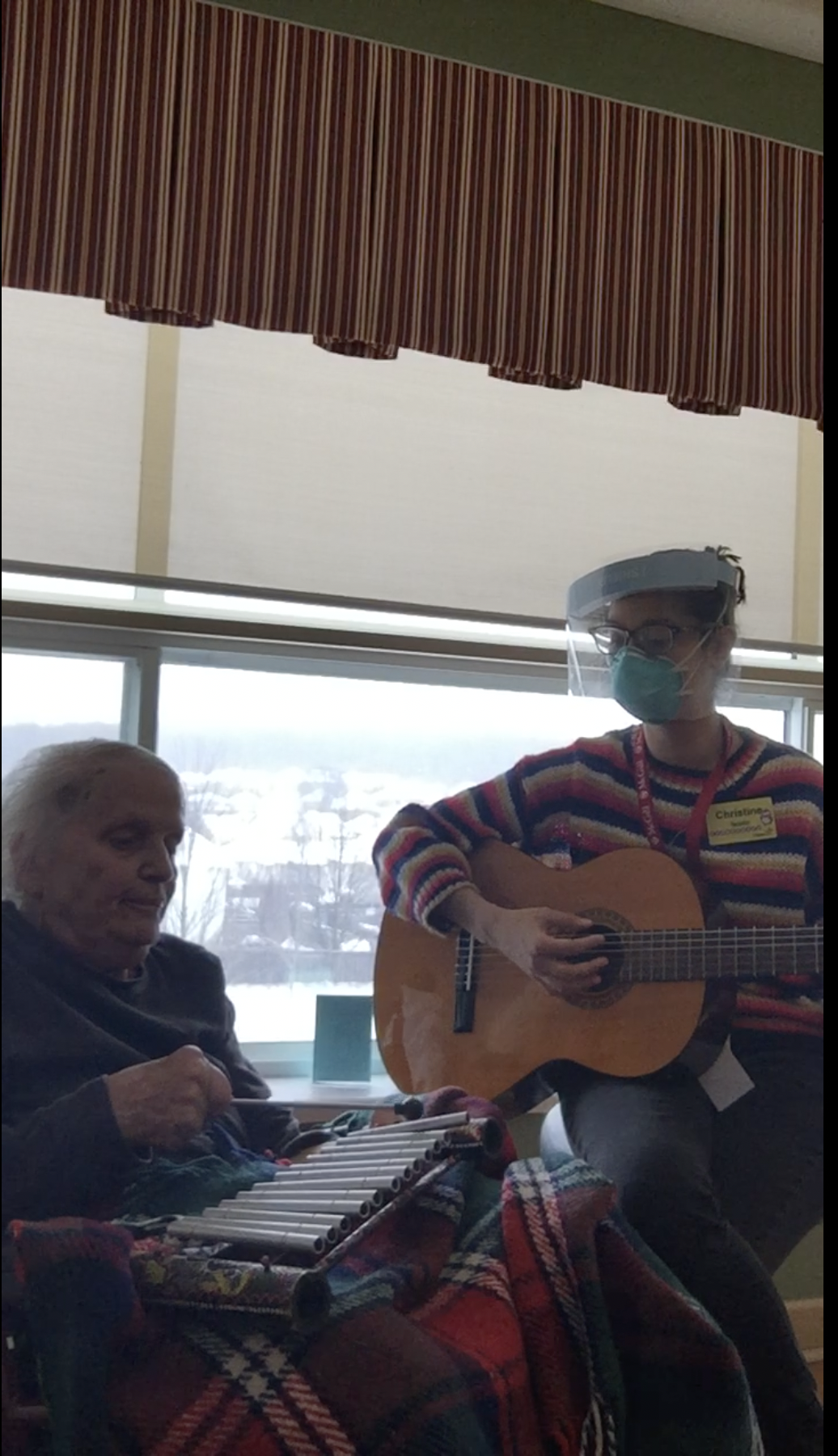
When groups were not allowed due to COVID infec­tion con­trol poli­cies, music expe­ri­ences for res­i­dents were cre­at­ed in indi­vid­ual set­tings. Staff and fam­i­ly mem­bers were encour­aged to engage and par­tic­i­pate with the res­i­dents when pos­si­ble.  Per­son­al Sup­port Work­ers ( PSWs)  and I col­lab­o­rat­ed to sing togeth­er for res­i­dents indi­vid­u­al­ly. Please see video for an exam­ple of col­lab­o­rat­ing with a PSW to bring a spe­cial musi­cal expe­ri­ence to a res­i­dent in their room (.58). Music was also incor­po­rat­ed in fam­i­ly video calls with res­i­dents which allowed res­i­dents to engage in music with their loved ones even through the dis­tance.  One fam­i­ly mem­ber shared that the music in the video calls were com­fort­ing and important.

The video calls were a chal­lenge for my Mom as she was not used to them. When­ev­er there was music as a part of the call, Mom would stay on the call longer and it was a won­der­ful expe­ri­ence for me at home to watch her sing. ”

3. PHASE 3: Music becom­ing part of the LTC home environment

In this phase, music organ­i­cal­ly became part of the LTC envi­ron­ment. Staff musi­cal  pref­er­ences and dif­fer­ent instru­men­tal music was played dur­ing res­i­dent meal times ( break­fast and lunch) on iPads and Won­der­boom speak­ers.  This not only allowed for a more plea­sure expe­ri­ence the res­i­dents, but also allowed the staff to enjoy some of their favourite music at work. It allowed for staff to bond over some of their favourite songs as well and increased the enjoy­ment of the work­day. Music in the LTC became more com­mu­ni­ty focused and all those involved in the home were wel­come to engage in musi­cal activ­i­ties with res­i­dents: house­keep­ers, nurs­es, fam­i­ly care­givers and pri­vate for­mal care­givers. Music became part of events in the home such as staff bond­ing activ­i­ties  and  cel­e­bra­tions. This was high­light­ed when res­i­dents and staff col­lab­o­rat­ed in choos­ing music to sing for a nurse retire­ment par­ty ( see video expert at 2.52).

Required sup­plies needed:

  • Hand­bell set
  • Var­i­ous per­cus­sion instruments
  • key­board
  • gui­tar
  • A device to play record­ed Music ( iPad and Won­der­boom speak­ers were used)

Silent Rhythms

This activ­i­ty intro­duces par­tic­i­pants to cre­at­ing music by pay­ing close atten­tion to the qual­i­ty of anoth­er person’s movement.

 The activ­i­ty devel­ops the abil­i­ty to lis­ten and notice one’s respons­es to the sur­round­ing world. In fact, one’s mind, one’s imag­i­na­tion, one’s sens­es, always respond to exter­nal stim­uli. Silent Rhythms is an exam­ple of a viable way of giv­ing voice to such per­son­al and unique responses.

 Silent Rhythms is an extreme­ly ver­sa­tile activ­i­ty. I shared it with very young chil­dren (5–6 years old) and elders; with teenagers and adults; with peo­ple in sit­u­a­tions of men­tal vul­ner­a­bil­i­ty and for­mer prison inmates. 

 The clips form­ing the video tuto­r­i­al are tak­en from a work­shop for dancers. That work­shop aimed specif­i­cal­ly to pro­vide that com­mu­ni­ty with tools to bridge dance and music cre­ation. Although every dancer had an inti­mate con­nec­tion to music through move­ment, often they were obliv­i­ous as to how to trans­late the move­ments of their body into an embod­ied kind of sound pro­duc­tion. The fol­low­ing process helped them do just that:


Steps 

  1. “Lis­ten­ing with the eyes”

Par­tic­i­pants organ­ised in a cir­cle, each per­son stand­ing a cou­ple of metres from the peo­ple next to them. Par­tic­i­pants are invit­ed to “lis­ten with their eyes” to what is about to hap­pen. The whole activ­i­ty takes place in silence. Each indi­vid­ual, in turn, steps a lit­tle for­ward clos­er to the cen­tre and per­forms a repet­i­tive move­ment with their body. The per­son per­forms the move­ment a few times and then stops and walks back to her or his place. At that point, the next per­son steps in and per­forms a new move­ment, and so on until every­body per­forms a silent body pattern.


At the end of the cir­cle, the facil­i­ta­tor would ask the par­tic­i­pants if, by “lis­ten­ing with their eyes” (mean­ing: by pay­ing close atten­tion to the qual­i­ty of the mover’ move­ments) they heard any­thing in their imag­i­na­tion. Usu­al­ly peo­ple express that indeed they heard something. 


  1. Voic­ing

At that point the facil­i­ta­tor per­forms a repet­i­tive move­ment and invites a vol­un­teer to give voice to what she or he “hears” with their eyes. In turn, the facil­i­ta­tor asks dif­fer­ent peo­ple to give voice to the same movement. 


After this demon­stra­tion, the group goes back in a cir­cle and repeats the exer­cise from the begin­ning. Yet, this time, the per­son oppo­site in the cir­cle to the per­son mov­ing, voic­es what she or he hears by “lis­ten­ing with their eyes”. The sequence usu­al­ly pro­ceeds fol­low­ing this order: a per­son steps in the cir­cle, starts per­form­ing a repet­i­tive move­ment (the mover). After a lit­tle, the per­son in the cir­cle oppo­site to the mover will start singing what she or he hears (the singer). When the mover stops, also the singer stops, and the activ­i­ty moves on to the next cou­ple mover/singer. 


  1. Debrief­ing 

The expe­ri­ence is fol­lowed by a debrief­ing to allow par­tic­i­pants to express the emo­tions, thoughts and con­sid­er­a­tions pro­duced by the experience. 

These are some of the obser­va­tions offered by par­tic­i­pants in the past:


  • Each per­son “hears” the move­ment differently

  • Inter­pre­ta­tions can dif­fer great­ly and yet it is evi­dent a clear rela­tion­ship between the move­ment and the sound was created 

  • Each inter­pre­ta­tion feels unique and legitimate

  • The singing appears to be the prod­uct of a part­ner­ship between mover and singer


Peo­ple at times point out the effort­less­ness of the process. Oth­ers observed that a person’s voice can empha­sise and make appar­ent details of a move­ment that would have passed oth­er­wise unno­ticed to them.


I per­son­al­ly observed also that more expres­sive move­ments usu­al­ly offered more inspi­ra­tion for the singers, as if a move­ment full of inten­tion com­mu­ni­cates more information. 


Fur­ther Developments 

Silent Rhythms offers dif­fer­ent lines of devel­op­ment. While I encour­age each facil­i­ta­tor to fol­low their intu­ition and fur­ther devel­op this activ­i­ty in their own ways, here are two pos­si­bil­i­ties that I often use.

  • Mul­ti­ple peo­ple voice one person’s move­ment. The activ­i­ty pro­ceeds exact­ly as described above in the “Voic­ing” sec­tion. Yet, after the first per­son begins to voice the moment, the per­son in the cir­cle stand­ing next to him or her will add her or his voice too. I invite the sec­ond singer either to express parts of the move­ment that the first singer left out, or maybe by cap­tur­ing with the voice a dif­fer­ent qual­i­ty or aspect of the move­ment. There is also the option of adding a sec­ond voice that does not refer any­more to the move­ment but that sim­ply responds to the first voice. Up to four voic­es can be added per mover. 

  • Move­ment-to-Voice-to-Move­ment. In this vari­a­tion, the sound pro­duced by the singer is the inspi­ra­tion for a new move­ment per­formed by a sec­ond mover. In this vari­a­tion the par­tic­i­pants are dis­placed in a line: the first mover faces the singer, while the sec­ond mover is shoul­der to shoul­der with the singer (in order to not see the move­ment of the first mover). The sequence can be video record­ed and the three par­tic­i­pants can watch it after­ward and com­pare the con­ti­nu­ity and diver­gences in the inter­pre­ta­tions of move­ment and voice. 


Deep­er Implications 

In peo­ple’s appre­ci­a­tion of this activ­i­ty I dis­cov­ered some­thing beyond its intend­ed pur­pose. Most times a sense of relief and a soft sense of exci­ta­tion per­vade the space.The com­mon sen­ti­ment is well expressed by par­tic­i­pant Nadia Stevens: “It is nice to see and rec­og­nize my move­ment in a person’s voice.” 

A sim­i­lar feel­ing was expressed by for­mer inmates at a work­shop for the asso­ci­a­tion Com­mu­ni­tas, which sup­ports for­mer pris­on­ers’ rein­te­gra­tion in soci­ety. The organ­is­er of the gath­er­ing Jeri expressed that Silent Rhythms pro­duced a sooth­ing effect of mutu­al recog­ni­tion between par­tic­i­pants, which was pre­cious for this spe­cif­ic com­mu­ni­ty of peo­ple at risk of social isolation. 

Han­nah Arendt says that we can­not know who a per­son is by gaug­ing what a per­son does. Who a per­son is can instead be dis­cov­ered only by attend­ing the person’s spe­cif­ic way of mov­ing or act­ing, speak­ing or inter­act­ing. Yet human beings are also con­front­ed by the conun­drum that no one can see him­self or her­self from the out­side. We can only see our­selves reflect­ed in the behav­iour of the peo­ple who inter­act with us. I believe that this activ­i­ty makes evi­dent the webs of reci­procity that entan­gles the peo­ple in a group. Silent Rhythms invites peo­ple to inten­tion­al­ly and play­ful­ly look at oth­ers’ ways of mov­ing, pay­ing atten­tion to details, and there­fore opens the pos­si­bil­i­ty for a sense of recog­ni­tion and encounter.

Piece of Mind — Understanding and Communicating Parkinson’s Disease through Music and Poetry

Introduction

With­in the con­text of the Piece of Mind project (details at the bot­tom of the page), we describe a col­lab­o­ra­tive activ­i­ty in which we trans­lat­ed a poem about the lived expe­ri­ence of Parkin­son’s dis­ease (PD) to music and then put it onto the stage. In col­lab­o­ra­tion with the author Lili Saint Lau­rent, musi­cian Car­o­line Bar­bi­er de Reulle ini­tial­ly com­posed a song based on the orig­i­nal text, and by draw­ing inspi­ra­tion from exchanges with oth­er Piece of Mind par­tic­i­pants. The cre­ative process then went through sev­er­al iter­a­tions, includ­ing incor­po­rat­ing the many voic­es of our project, and becom­ing the start­ing point for the final scene of Piece of Mind: Parkinson’s.

Below we break down our process of co-cre­ation, with the hope that it can be adapt­ed to oth­er texts and contexts.

Activity Breakdown

Goal: to depict a lived expe­ri­ence (in our case, Parkin­son’s dis­ease) using dif­fer­ent forms of artis­tic expres­sion. We aimed to add new dimen­sions to the ini­tial text by mix­ing dif­fer­ent artis­tic styles and points of view, while remain­ing true to its orig­i­nal meaning.

Where: On a vir­tu­al plat­form such as Zoom, through direct mes­sag­ing, and/or in person.

Dura­tion: Plan for a min­i­mum of sev­er­al ~1–2 hour ses­sions, spread over mul­ti­ple weeks or months. This type of col­lab­o­ra­tive process requires time to build rela­tion­ships and lis­ten to all participants.

Par­tic­i­pants / Tar­get Audi­ence: In our case, this activ­i­ty was car­ried out in a col­lec­tive includ­ing peo­ple with lived expe­ri­ence of PD, care­givers, neu­ro­sci­en­tists, dancers, cir­cus artists and musi­cians. This activ­i­ty could be adapt­ed to oth­er groups.

Group size: We sug­gest that the pri­ma­ry col­lab­o­ra­tion be between 2 to 4 peo­ple (small group), in order to ensure that mean­ing­ful com­mu­ni­ca­tion can be estab­lished and that the exchanges will be fruitful.

Instruc­tions:

  1. Choose a work (a poem or oth­er text) that fits your final objec­tive and rep­re­sents the spir­it of the project, while con­sid­er­ing the musi­cal pos­si­bil­i­ties. In our case, the poem “Sur le fil” by Lili Saint Lau­rent, a woman liv­ing with PD, became a com­mon thread for our group as it cre­at­ed a nat­ur­al link between the lived expe­ri­ence of PD and the cir­cus arts through which we want­ed to depict it.
  2. Take the time to lis­ten to and under­stand the piece. Ask your­selves what it means, what key feel­ings or mes­sages are con­veyed in the work, and which musi­cal ele­ments might best cor­re­spond to the desired feel­ing. Based on this reflec­tion, the musi­cian can com­pose and pro­pose an ini­tial musi­cal inter­pre­ta­tion of the text.
  3. Fol­low­ing this ini­tial pro­pos­al, plan an exchange between the musi­cian and the author of the text so that the lat­ter can express his or her reac­tion to it. This will allow the author to have an idea of the musi­cal style pro­posed, and to ver­bal­ize what works and what does not. Be open to exper­i­ment­ing with pos­si­ble avenues, and going through sev­er­al drafts and iter­a­tions — some­times you have to go in the wrong direc­tion at first to find a com­mon path! As an exam­ple, have a lis­ten to the first and sec­ond ver­sion Car­o­line pro­posed here.
  4. Once you are hap­py with the com­bi­na­tion of text and music, share it with the oth­er artists, to allow them to form their own asso­ci­a­tions with it. If you are work­ing in a group, find ways to incor­po­rate the oth­er per­spec­tives or ideas so that the work becomes a col­lec­tive effort. In our case, this meant inte­grat­ing all the par­tic­i­pants’ voic­es into the sound­track, and adjust­ing the musi­cal com­po­si­tion to fit the chore­og­ra­phy for our per­for­mance.  You can check out the final ver­sion of the song here, and see the cor­re­spond­ing scene here.

To learn more about the cre­ative process of pro­duc­ing this piece of music, and hear direct­ly from Lili and Car­o­line, check out our lit­tle vignette (pri­mar­i­ly in French) here.

Quotes (trans­lat­ed from French):
“When I wrote the poem, it was with the idea of phys­i­cal­ly tran­scrib­ing the imper­ma­nence of my life with Parkin­son’s dis­ease. Every move­ment, every thing that I would do took on a new impor­tance, rec­og­niz­ing that where I would be in the next moment was unpre­dictable.”   — Lili Saint Laurent

“My first propo­si­tion to Lili was a melod­ic song — with piano, voice, vers­es and a cho­rus […] I sent it to her, and she said: ‘Lis­ten, your song is very love­ly, but it does­n’t cor­re­spond to what I feel and how I live in my body.’ ” — Car­o­line Bar­bi­er de Reulle

“This poem kept com­ing back to me, because it illus­trat­ed the theme of the project so well. So at the end of a Zoom ses­sion, I asked: ‘could I read some­thing to you?’ For me, it was just a lit­tle offer­ing… but it touched every­one so deeply, and kept com­ing up in dis­cus­sions after­wards, so it end­ed up being a nar­ra­tive thread for the per­for­mance.” — Lili Saint Laurent

“[…] What could cor­re­spond best to what Lili explained to me regard­ing how she feels? So then I thought about the vio­lin — the idea that “the wire” can also be a string, a chord — and I want­ed to use the vio­lin in a chaot­ic and noisy way, to rep­re­sent the mul­ti­tude of emo­tions in the poem…” — Car­o­line Bar­bi­er de Reulle

Piece of Mind

Piece of Mind uses the per­form­ing arts to syn­the­size and trans­late knowl­edge about Parkinson’s dis­ease (PD) and demen­tia. Our par­tic­i­pa­to­ry research-cre­ation project brings togeth­er artists (cir­cus per­form­ers, dancers, musi­cians, visu­al artists), researchers, indi­vid­u­als liv­ing with PD or demen­tia, and care­givers to co-cre­ate artis­tic works based on sci­en­tif­ic research and lived expe­ri­ence. The over­all goals are to:

  1. facil­i­tate knowl­edge cre­ation and exchange between the seem­ing­ly dis­parate com­mu­ni­ties par­tic­i­pat­ing in the cre­ative process and
  2. cre­ate per­for­mances that can engage a wide audi­ence on both an emo­tion­al and intel­lec­tu­al lev­el, and spark mean­ing­ful con­ver­sa­tions around PD and dementia.

We use an emer­gent and iter­a­tive process to iden­ti­fy the key themes and mes­sages to com­mu­ni­cate in our per­for­mances, and to ensure that mul­ti­ple per­spec­tives are incor­po­rat­ed along the way. Our research process has includ­ed numer­ous vir­tu­al work­shops, facil­i­tat­ed dis­cus­sions, and movement/music ses­sions to build rela­tion­ships and explore both sci­en­tif­ic and lived expe­ri­ence knowl­edge through cre­ativ­i­ty and embod­i­ment. You can see oth­er exam­ples from our project here:

https://www.newmusicnetwork.ca/projects/piece-of-mind-give-us-a-hand-participatory-art-sci-video/

https://www.newmusicnetwork.ca/projects/piece-of-mind-connecting-scientific-research-and-lived-experience-through-music/

Sound & Song: Collaborative Songwriting With Seniors & Elders

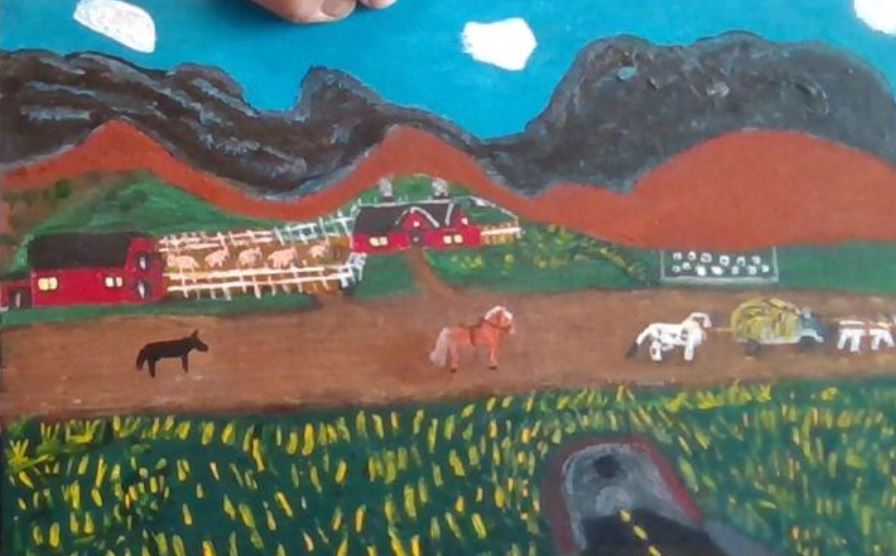
Since the start of the COVID-19 pan­dem­ic, Sound & Song pro­gram par­tic­i­pants have devel­oped an online col­lab­o­ra­tive song­writ­ing prac­tice ground­ed in indi­vid­ual sound­walks. Par­tic­i­pants use sound­walk­ing to gath­er lyri­cal mate­r­i­al for an orig­i­nal song, and write the song togeth­er through week­ly online sessions.

Based at the Round­house Com­mu­ni­ty Arts & Recre­ation Cen­tre, Sound & Song is part of Arts & Health: Healthy Aging through the Arts, which brings togeth­er pro­fes­sion­al artists with groups of seniors and Elders for col­lab­o­ra­tive art mak­ing projects. Our work takes place on the unced­ed, ances­tral ter­ri­to­ries of the xʷməθkʷəy̓əm (Musqueam), Sḵwx̱wú7mesh (Squamish) and səlil­wə­taɬ (Tsleil Wau­tuth) Nations.

PROCESS

1. Par­tic­i­pants meet week­ly for 2 hour work­shops to learn singing tech­nique through singing pop­u­lar music, as well as dis­cuss and write about week­ly indi­vid­ual sound­walks. Hilde­gard Westerkamp’s writ­ing on sound­walk­ing is the start­ing point for these discussions.

2. A web-based hub is cre­at­ed where par­tic­i­pants can upload images and short videos they’ve cap­tured with smart­phones on their sound­walks for oth­ers to see. (We use the free, online-based soft­ware, “Padlet,” for this.)

3. These images and videos are watched and dis­cussed togeth­er, and a com­mu­nal word doc­u­ment is start­ed, where the lead artist writes down par­tic­i­pants’ expe­ri­ences of sound­walk­ing. If they have not had the oppor­tu­ni­ty to go out­side, par­tic­i­pants can also describe the scene out­side their win­dow, or respond to the media that oth­ers have post­ed. (See Brain­storm Draft in “Scores.”)

4. Par­tic­i­pants con­tin­ue to take week­ly walks on their own, and a com­mon theme usu­al­ly emerges by the third week. After a theme is cho­sen, par­tic­i­pants keep this theme in mind dur­ing their walks to build upon it in the col­lab­o­ra­tive writ­ing sessions.

5. Once theme has been estab­lished, par­tic­i­pants work togeth­er to build a four-line cho­rus on the theme, dis­cussing rhyme, rhythm, and con­tent of the lines.

6. Once the cho­rus lyrics are com­plete, the lead artist asks the group what style and mood of music they think would com­pli­ment the lyrics, and will say or sing them back rhyth­mi­cal­ly to the group accom­pa­nied by an instrument.

7. The lead artist takes the cho­rus lyrics home and sets them to music. The cho­rus is sung for par­tic­i­pants and edits to the lyrics or music are sug­gest­ed by the group.

8. The process of sound­walk­ing, post­ing to the Padlet, and writ­ing con­tin­ues until anoth­er song sec­tion has been devel­oped. Dis­cus­sions and instruc­tion around song struc­ture occurs as par­tic­i­pants decide what they want the song to sound like and accom­plish lyri­cal­ly. Par­tic­i­pants prac­tice singing the song sec­tions with the lead artist as they go.

9. The lead artist takes new sec­tions home to set to music, and the process con­tin­ues until par­tic­i­pants feel the song is com­plete, and final lyric and music edits are done to sat­is­fac­tion. Vocal har­monies may be devel­oped and taught.

10. The lead artist does a home record­ing of the whole song so par­tic­i­pants may prac­tice on their own and sing it along with the group in their week­ly session.

11. Using head­phones to iso­late their voice, par­tic­i­pants use a phone or com­put­er to record them­selves singing along with the lead artist’s track. Using audio soft­ware such as Band­camp or Audac­i­ty, par­tic­i­pants voice record­ings are then edit­ed togeth­er to form a choir.

12. (Option­al): Song tracks are giv­en to a remix artist for added beats and sound pro­cess­ing. The group can then edit a video togeth­er online using their media from the Padlet, or give this mate­r­i­al to a video artist for edit­ing. This process can be hands-on for par­tic­i­pants if desired, as they work on edits with the remix and video artists.

From a par­tic­i­pant: “Sound & Song has giv­en me a way to express myself in singing, using my brain to col­lab­o­rate with oth­er in writ­ing lyrics and giv­en me a sense of com­mu­ni­ty even though we were in our own homes. The pan­dem­ic is very stress­ful and Sound & Song gave us a way of work­ing through our anx­i­eties. Our song and video turned out fan­tas­tic and it gave us a sense of accom­plish­ment and happiness.”


Vintage Voices

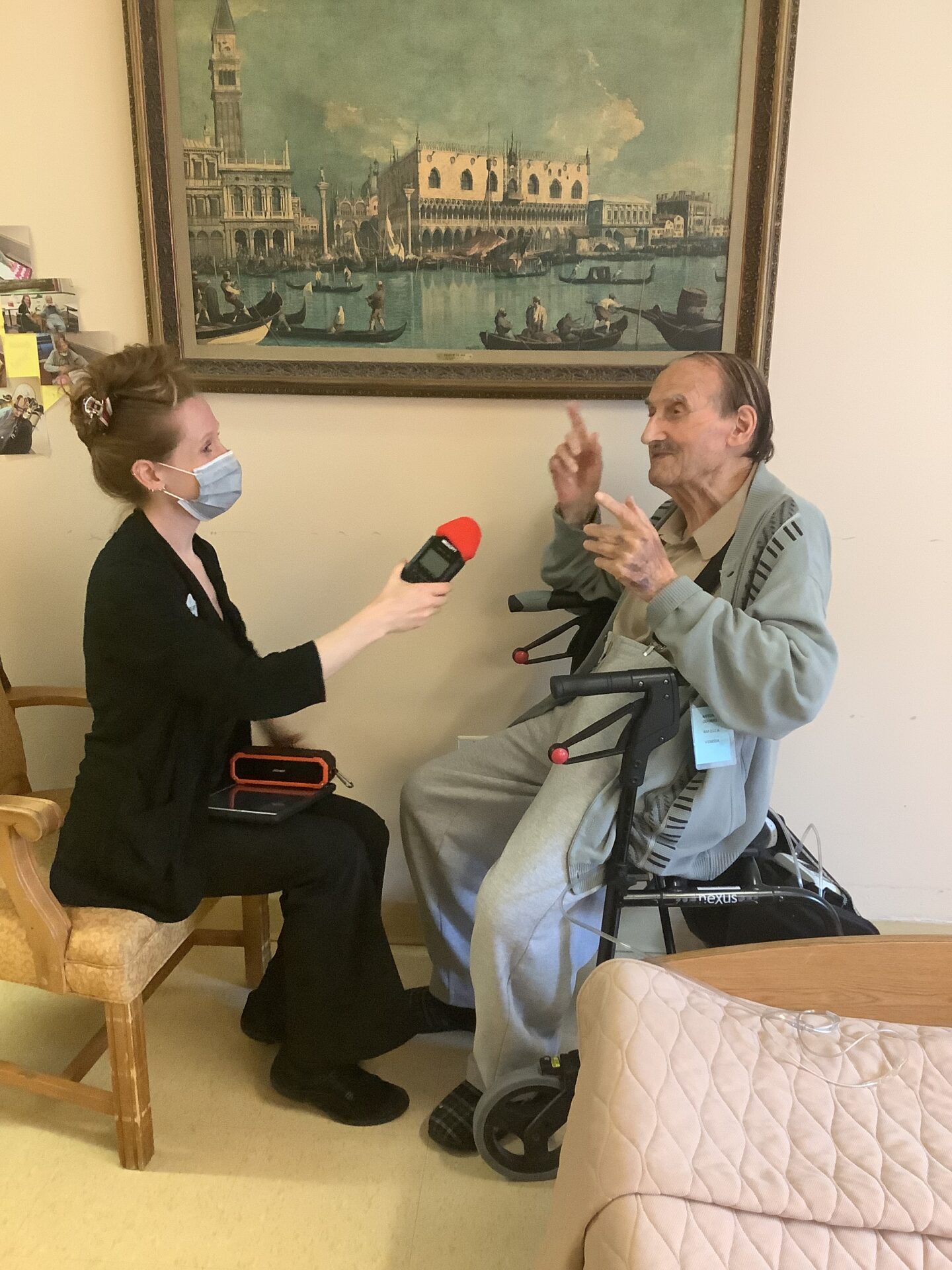
Vin­tage Voic­es fea­tures the voic­es of res­i­dents liv­ing in the Long Term Care sys­tem shar­ing and respond­ing to music that they love; it brings these voic­es to the rest of soci­ety via short radio clips. Res­i­dents act as DJs; they intro­duce songs and share their plea­sure and thoughts like any oth­er radio DJ would do.

As a Psychotherapist/Music Ther­a­pist work­ing in the Long Term Care sec­tor, I believe that cre­ativ­i­ty does not nec­es­sar­i­ly have to be gen­er­a­tive, but can also be about the process of con­sum­ing and respond­ing to art; this is crit­i­cal to enabling indi­vid­u­als with com­plex health issues, such as those I work with in Long Term Care, to be able to con­tribute to the world of art and creativity.

In my work in Long Term Care, I wit­ness the neg­a­tive effects of our soci­ety’s ageism and ableism: Indi­vid­u­als liv­ing in Long Term Care, fam­i­lies, and health­care providers often strug­gle to have a voice, to be noticed, val­ued, and to receive the sup­port and recog­ni­tion that is need­ed. The tone of Vin­tage Voic­es is light and fun, how­ev­er it serves to ampli­fy sel­dom-heard voic­es and to put a face (or rather a voice!) to indi­vid­u­als liv­ing in these set­tings, allow­ing them to show the val­ue of life at every stage.

MATERIALS:

-portable audio recorder (I use a Zoom H4n)

-wind­sock to cov­er mic (to avoid plo­sive sounds dur­ing record­ing speech)

-iPad/speaker (to lis­ten to music together)

-com­put­er with audio edit­ing pro­gram (I use a Mac with Log­ic Pro)

PROCESS:

1) I meet with inter­est­ed Long Term Care res­i­dents (from now on known as guest DJs) to engage in a music-lis­ten­ing inter­view in a pri­vate space. I explain that I’ll be record­ing our voic­es and then we engage in sim­ple greet­ings and intro­duc­tions, so the indi­vid­ual can get used to hav­ing a micro­phone held up to them while talk­ing. I will mod­el speak­ing into it, but then keep the micro­phone close to the guest DJ to make sure their voice is clear.

2) We lis­ten to music togeth­er! Some guest DJs may have a favourite song right away that they want to share. Some guest DJs may not be sure what to start with: in this case I might sug­gest a song or singer this DJ has expressed enjoy­ment of before, or sug­gest a style of music that I know is gen­er­al­ly pop­u­lar with the guest DJ’s age/cultural group to get the ball rolling… Often this stirs ideas for oth­er songs and music, or may allow the indi­vid­ual to share their response and love for that par­tic­u­lar song.

3) I may ask ques­tions like “What is it about music that is impor­tant to you?” “Why do you like music/or this song?” “What does it mean?” (lit­er­al­ly if in a dif­fer­ent lan­guage) or “What does it mean to you?” Or I may not ask any ques­tions at all, and just get into enjoy­ing the music with the guest DJ, sup­port­ing their respons­es and joy.

TIP: The most impor­tant thing is just to enjoy lis­ten­ing to the music togeth­er, so what­ev­er approach is most moti­vat­ing and enjoy­able for the guest DJ is the way to go. As such, it does not nec­es­sar­i­ly mat­ter if a guest DJ has advanced health and mem­o­ry issues… as long as they can express them­selves in some audi­ble way, I can take the sounds and edit them into an episode.

4) I import the raw inter­views onto a com­put­er and edit them.  I cut out any con­ver­sa­tion not relat­ed to music or any audio/words that are more pri­vate, keep­ing only the res­i­den­t’s greet­ings, intro­duc­tions, one or two song/artist choic­es, their reflec­tions or mem­o­ries about the songs or music that they want to share with oth­ers, maybe some singing along or excla­ma­tions of enjoy­ment, as well as goodbyes.

5) I then re-record or voice-over my own voice (using the Zoom portable recorder, which also acts as an audio inter­face, into Log­ic Pro) to intro­duce the show/DJ, and con­nect every­thing togeth­er and make it flow. I use a theme song under the intro­duc­tions and good­byes to  start and end the show.

SHARING THE EPISODES:

Fin­ished episodes are mas­tered by pow­er­Sound, and our Vin­tage Voic­es episodes are aired week­ly on the won­der­ful radio show 33–45-78! (please see links). I also may pro­vide a dig­i­tal copy to the fam­i­lies if request­ed, but impor­tant­ly I remove the copy­right­ed song (I will leave a few sec­onds of the song fad­ing in and out instead). We now also have a You Tube chan­nel to share the episodes on (also includ­ed in the links).

Our guest DJs and their fam­i­lies have been over­joyed while engag­ing in the process and upon hear­ing the fin­ished episodes. Tony, who’s episode you can lis­ten to in the audio sec­tion, exclaimed dur­ing the record­ing process “this brings the music alive and makes life worth liv­ing!” Eleanor’s daugh­ter, Mau­reen (you can also hear Eleanor’s episode in the audio sec­tion) com­ment­ed on keep­ing the episode as a trea­sured keep­sake, say­ing “It will be a beau­ti­ful mem­o­ry that I can always keep of mom.” Eleanor’s daugh­ter recent­ly called me with a fur­ther update, shar­ing that since her mom died she has lis­tened to it a lot, and had the idea to play the episode at the funer­al. She said how touched every­one attend­ing was… no one cried dur­ing the first half of the funer­al, but there was “not a dry eye in the place” after they played Eleanor’s episode. They got to hear Eleanor, say­ing music is good for “help­ing peo­ple… they could be down­heart­ed, but it’ll bring it up,” and then get­ting to say good­bye in her own words: say­ing “oh ya! bye bye every­body! And I hope you folks all enjoy… this is all just so great!”

A NOTE ON CONSENT AND PRIVACY:

Many indi­vid­u­als liv­ing in Long Term Care have fam­i­ly mem­bers who are Sub­sti­tute Deci­sion Mak­ers or Pow­er of Attor­ney. I com­mu­ni­cate with both the guest DJ as well as their fam­i­ly mem­ber to ensure that they want to par­tic­i­pate. I have a con­sent form that must be signed before I start an inter­view. Also when I form the inter­view into a more fin­ished episode, I go back and play the episode for both the guest DJ as well as their fam­i­ly mem­ber to make sure they are both hap­py with it before it is shared publicly.

An inter­view and music-lis­ten­ing ses­sion can also bring up many mem­o­ries and emo­tions. I am avail­able in my role as a Psychotherapist/Music Ther­a­pist to pro­vide sup­port and pro­cess­ing as need­ed. Please under­stand that it is impor­tant to be able to con­nect a guest DJ with appro­pri­ate sup­port as need­ed, so please be aware of who in your facility/community you would con­nect a guest DJ to if they are in need of sup­port. These issues may come up dur­ing the inter­view and be record­ed: as such, I edit all of the record­ings myself and delete any­thing that should be private.

Composition Workshops

SUMMARY: A three-ses­sion work­shop series (45 mins each ses­sion) intro­duc­ing young peo­ple to com­po­si­tion­al ideas. Stu­dents ide­al­ly have one year of some musi­cal expe­ri­ence. Read­ing music is not necessary.

Mate­ri­als: coloured pens, pen­cils, paper that has a few lines of staff nota­tion, but a LOT of blank space. An audio or video cap­ture device (i.e. smart phone / voice memo app).

Main ideas covered:

  • Notat­ing music the stu­dent hears — i.e. record­ed music
  • The­mat­ic musi­cal devel­op­ment using behav­iours or char­ac­ter­is­tics of a non-musi­cal idea (i.e. an ani­mal, the weath­er…); con­trast­ing ideas; evoca­tive titles; nar­ra­tive concepts.
  • Notat­ing an orig­i­nal musi­cal idea using an adapt­ed ver­sion of tra­di­tion­al nota­tion: left-to-right
  • read­ing of start­ing and mov­ing through time; indi­cat­ing length of time in dif­fer­ent ways — size, space; indi­cat­ing high­er or low­er pitch­es with high­er or low­er dots + lines; indi­cat­ing two dif­fer­ent with dif­fer­ent colours
  • Inter­act­ing with a per­former who will play a new composition.

SESSION 1 — Notate what you hear; Write your own piece by start­ing with the drawing.

10 mins — intro, wel­come, names, instru­ments, venue information.

Exer­cise

Teacher: Chose one or two short exam­ples of music to play. Three plays: Play once, just lis­ten­ing. Play again, draw the shape as it goes along. Play once more, add the dif­fer­ent colour to show the dif­fer­ent sound.

Stu­dents: Write down music you hear. Show up, down, same notes with your hand! Give cards with hor­i­zon­tal line (time, as well as the start­ing note). Draw the shape of the music as it hap­pens in time. When the SOUND of the music changes (intro­duce ideas of tim­bre or dynam­ics or instruments/orchestration), use a dif­fer­ent colour / shape / draw­ing to show the dif­fer­ence. You can use musi­cal sym­bols if you want, but don’t wor­ry about the exact notes or rhythms. Make up a name for the song — imag­ine an animal.

10 mins — group exercise

  • Trade cards, all play the cards togeth­er at the same time, with same start­ing note.
  • Choose a top­ic: ani­mal, an expe­ri­ence, some­thing in nature, some­thing you’ve learned about in school, MUST BE some­thing that you’re real­ly excit­ed about

5 mins — start own composition

  • Think of 2 char­ac­ter­is­tics of that topic’s behav­iour — write them down.
  • Now imag­ine how those char­ac­ter­is­tics would SOUND in music — ask for suggestions.

10 mins — Next steps

  • Instruc­tions for writ­ing your music — just write the shape! Write the start­ing note (note the name if they can).
  • Impro­vise on your shape, start on the start­ing note. Encour­age the music to be dif­fer­ent every time you play it. Once you find some­thing you like, write down some­thing about it — note names, use colours, lines, shapes, tra­di­tion­al musi­cal nota­tion if they want. Use range, note length, loud­ness, dif­fer­ent ways of play­ing the note. Ask mature stu­dent to be example
  • Key­board instru­ments — can add anoth­er hand, but keep it very sim­ple (i.e. one or two notes)

10 mins — Wrap up, next ses­sion, “home­work”

Give out sam­ple cue card- play­ing / com­pos­ing — have sam­ples on the back Next week, bring one com­po­si­tion that you want to work on
Record your­self try­ing things, can bring a video or audio to show

SESSION 2 — New piece / devel­op­ment of first piece. Adding details beyond notes.

5 mins

  • Review mate­ri­als from first ses­sion, answer any ques­tions. Impor­tant to review the idea that left to right “space = time”, and high and low “space = pitch”.

15 mins

  • Exer­cise: write a new piece with new theme OR keep work­ing on the first idea, add new parts, etc. — Use the same for­mat of impro­vis­ing, and writ­ing down what they play.

10 mins

NEW: Add ways of indi­cat­ing HOW to play — dif­fer­ent tech­niques i.e. ped­al, pizzi­ca­to, artic­u­la­tion, dynam­ics, tem­po. Can use dif­fer­ent colours or shapes, word direc­tions, tra­di­tion­al musi­cal symbols.

ADDITIONAL if applic­a­ble: Add note names, rhythm nota­tion (space = time), per­for­mance direc­tions, etc.

Sug­ges­tion to Teacher:

  • as you go around to each stu­dent, video / audio record how the stu­dent is play­ing it. Often this is the BEST way to cap­ture their ideas in order to record in a more tra­di­tion­al nota­tion format.

15 mins

  • Per­form the works — each stu­dent per­forms their own work /Teacher to per­form / inter­pret if stu­dents are shy. Sug­ges­tion — video/audio record.
  • Look­ing ahead to Guest artist ses­sion — intro­duce the idea of the composer/performer rela­tion­ship, and how they will have the chance to inter­act with the guest.

Teacher’s fol­low-up work: Take the graph­ic nota­tions and put them in a more tra­di­tion­al / stan­dard West­ern nota­tion for­mat. Send these AND the match­ing graph­ic nota­tion scores to the guest artist. If the stu­dent is able to do this on their own, encour­age them to do it. It could be by hand or using soft­ware pro­grams (free ones include Mus­eScore, etc.)

SESSION 3 — Guest Artist

  • Intro­duce the guest artist, their back­ground, their instrument
  • Show the orig­i­nal graph­ic nota­tions, as well as any tra­di­tion­al ver­sions that the teacher (or stu­dent) has made.

5 mins — Guest Artist Intro

35 mins — Per­for­mance / Dis­cus­sion — 3–5 mins per piece (one piece per student)

  • Guest artist per­forms the work, either using the graph­ic or notat­ed score
  • Dis­cus­sion — Guest artist asks ques­tions of the stu­dent, encour­ag­ing them to sug­gest dif­fer­ent choic­es or ideas i.e. tem­po, dynam­ics, range
  • Guest artist should have a cou­ple com­ments pre­pared for each piece — one find­ing a strength in the work, and one find­ing a sug­ges­tion or ques­tion that engages the student’s com­po­si­tion­al process again.
  • Stu­dents are encour­aged to ask ques­tions or make comments

5 mins

  • Wrap­ping up. Dis­cus­sion on larg­er idea of com­po­si­tions, per­form­ers, and music being passed from per­son to per­son, through time. Relate it to music they learn in oth­er places, i.e. tra­di­tion­al , pop…

Sup­port­ed by Prairie Debut — NACC — Black Ice Sound

Stories of Care: Making Connections With and Between People with Severe Physical Disabilities

The C.A.R.E. Cen­tre, a recre­ation­al orga­ni­za­tion for adults liv­ing with severe phys­i­cal dis­abil­i­ties, recog­nis­es the impor­tance of art and expres­sion for their clients, par­tic­u­lar­ly for those clients who are non-ver­bal. In addi­tion to incor­po­rat­ing art-mak­ing into dai­ly pro­gram­ming, C.A.R.E. has host­ed a num­ber of artist res­i­den­cies with Teach­ing Artist Louise Camp­bell, who has facil­i­tat­ed projects rang­ing in dura­tion from 4‑days to 6 months, giv­ing Louise, the clients and the care­givers an oppor­tu­ni­ty to get to know each oth­er, and per­haps more impor­tant­ly for Louise as a guest artist to under­stand the pro­gram and clients’ modes of communication.


The most ambi­tious of these projects was also the most sur­pris­ing: the pod­cast­ing project Sto­ries of Care was slat­ed to begin in per­son at the C.A.R.E. Cen­tre on March 23, 2020, ten days before the coro­n­avirus pan­dem­ic was declared in Cana­da. Luck­i­ly, pod­cast­ing is an ide­al project to do at a dis­tance. In addi­tion, one of the most beloved pro­grams at C.A.R.E. is C.A.R.E. Radio, which con­vert­ed well to Zoom. Care­giv­er Bruno moved seam­less­ly into being a fab­u­lous host, just as he is in per­son at C.A.R.E. The online video plat­form became the bridge to our clients and a way to move for­ward with the pod­cast­ing project. 


What real­ly made this pod­cast project fly was Exec­u­tive Direc­tor Olivia Quesnel’s amaz­ing abil­i­ty to think cre­ative­ly about how to con­nect with peo­ple. As a reg­u­lar part of her job, Olivia cul­ti­vates con­nec­tions and com­mu­ni­cates with C.A.R.E. clients using mul­ti­ple plat­forms, adapt­ing to each client based on their abil­i­ties and home sit­u­a­tions. Just one exam­ple of Olivia’s cre­ative use of stan­dard tech­nolo­gies is her phone con­ver­sa­tions with a client who is non-ver­bal. Olivia set up a dai­ly phone call with dur­ing which she asked yes-no ques­tions, to which he respond­ed by press­ing the touch­pad once for ‘no’ (beeeeep) and twice for ‘yes’ (beep-beeeeeep!!). 


Using the com­mu­ni­ca­tion plat­form that was most appro­pri­ate for the client, a series of ques­tions was used to prompt clients to talk, rem­i­nisce and share sto­ries. One of these ques­tions was ‘what do you hear around you right now?’ Clients’ obser­va­tions were record­ed and com­piled in Episode 3: Here and there. A com­bi­na­tion of archival record­ings, short instruc­tion­al videos of at-home record­ing activ­i­ties, and record­ed phone and Zoom calls, and musi­cal gifts cre­at­ed by musi­cians Louise Camp­bell, Amy Hor­vey and Tim Brady gave us what we need­ed for a pod­cast­ing series: audio material!


Each of the pod­casts was made in col­lab­o­ra­tion with C.A.R.E. clients and staff, with episodes being pub­lished and shared once final approval was giv­en by Olivia and/or the appro­pri­ate client. Client involve­ment includ­ed record­ing audio to very detailed edit­ing and author­ship by C.A.R.E. Cen­tre client Rachel and her care­giv­er Mis­cha in Episode 5: Tobii Sto­ries, a Day in the Life of Rachel to an episode craft­ed as a gift from the musi­cians and care­givers to a client who was very iso­lat­ed due to her liv­ing sit­u­a­tion in Episode 6: Bliss, Com­mu­ni­ca­tion and Giota’s Song

Of this project, Artist-in-res­i­dence Louise Camp­bell says, “I will remem­ber and trea­sure this project for what I have learned about the pow­er of human con­nec­tion – that is, our abil­i­ty and dri­ve to con­nect with the peo­ple we care about.” C.A.R.E. Cen­tre Exec­u­tive Direc­tor Olivia Ques­nel says, “Indi­vid­u­als with dis­abil­i­ties have so much to com­mu­ni­cate and are very moved by sounds and music. The oppor­tu­ni­ty for our non-ver­bal clients to work with artists and musi­cians to cre­ate pod­casts and to tell their sto­ries is excit­ing. This project enabled those who often are not heard to express their thoughts and share their experiences.” 

As Bruno would say at the end of a C.A.R.E. Radio episode: Stay tuned next time for more Sto­ries of Care. Peace!

And the chat­ter begins from the clients and fam­i­ly: That was so fun! I loved your jokes! Are you com­ing to the Zoom dance par­ty tomor­row? Hey, can we do a Zoom call lat­er? Bye, every­body! See you next time!

Lis­ten here to the pod­cast series: Sto­ries of Care

Sto­ries of Care is pro­duced by the C.A.R.E. Cen­tre, Inno­va­tions en con­cert, Brady­works, with fund­ing from Que­bec’s Schools Host and Artist of Cul­ture in Schools.

Facil­i­ta­tion, con­cep­tion & mon­tage by Artist in Res­i­dence Louise Camp­bell.

Passage Through Time — Creating Music-Inspired Visual Art

GOAL: to devel­op a deep­er appre­ci­a­tion of music and the visu­al arts and how they com­pli­ment each oth­er. In this par­tic­u­lar work­shop, par­tic­i­pants were inspired by the music of Jab­bour, using the music as a spark for their art.

ACTIVITY: Art mak­ing is enriched when lay­ered with a vari­ety of expe­ri­ences and techniques. 

First, a musician(s) presents their  his­to­ry and music, exchang­ing ideas that add anoth­er lay­er to the cre­ative process. In this case, Guil­laume Jab­bour describes his band, which includes Bill Gos­sage, Carl Rufh and Bill Col­lier. The group’s iden­ti­ty solid­i­fied dur­ing their tour of British Colum­bia in 2015, when the musi­cians began to under­stand that they had found their place on the Cana­di­an folk music scene, iden­ti­fy­ing them­selves par­tic­u­lar­ly with the offi­cial lan­guage minori­ties of the coun­try: the Eng­lish-speak­ing com­mu­ni­ties of Que­bec and the French-speak­ing com­mu­ni­ties of Cana­da. Refer to the video for how Guil­laume does this.

Next, we learn about the art tech­nique to be used in draw­ing and paint­ing. Then we lis­ten to the music and draw. Final­ly, we reflect and get and give feed­back. Next time, choose anoth­er musi­cians’ work to inspire your creativity.

Out­comes:

  •       deep­er listening
  •       height­ened senses
  •       increased aware­ness of the con­nec­tion between music and visu­al art.
  •       ease, con­fi­dence, and joy in lis­ten­ing to music and cre­at­ing art.
  •       deep­ened rela­tion­ships amongst group mem­bers through shared expe­ri­ence and shar­ing artworks.
  •       a greater sense of con­nec­tion and ensem­ble with artist, musi­cian, and participants.

MATERIALS: paper with pen­cil, crayons, coloured pen­cils, mark­ers, oil pas­tels etc. and or paint and brush.

PROCESS:

  1. Lis­ten to the music while think­ing about the theme, Pas­sage Through Time. What does it make you think about? What images or mem­o­ries come to mind? Using the music and the theme as inspi­ra­tion, cre­ate a nar­ra­tive draw­ing – a draw­ing that tells a visu­al story.
  2. Let us draw. I am using the exam­ple of draw­ing with a pen­cil. Pen­cil marks, Com­po­si­tion, Abstract and fig­u­ra­tive are con­cepts in paint­ing and draw­ing. Refer to the video for exam­ples. You choose your mate­ri­als of choice. Here are con­cepts to consider:
  • Pen­cil marks – Exper­i­ment with the side and point of the pen­cil, increase, and decrease pres­sure. You can cre­ate light, medi­um, dark, thin, and thick lines.
  • Com­po­si­tion in a draw­ing is the ‘what am I going to put and where am I going to place it on the paper’. When play­ing with com­po­si­tion, remem­ber that draw­ings can pass the edges of the paper and over­lap oth­er papers.
  • In draw­ing and paint­ing, abstract or non-fig­u­ra­tive is based on shape, tex­ture, colour, and val­ue (light and dark). Fig­u­ra­tive is based on a per­son, place, or thing. Fig­u­ra­tive abstrac­tion is a com­bi­na­tion of the two. Per­spec­tive – Objects that are clos­er usu­al­ly start at the bot­tom of the page, are big­ger with more detail and colour. The oppo­site is true for objects that are fur­ther on.

3. As you draw, peri­od­i­cal­ly stop the music, share thoughts, ideas and in process art­work to inspire each other.

4. When the music and art­works are fin­ished, share them and discuss.

You can pick any of Jabbour’s music as an inspi­ra­tion for visu­al cre­ation. Lis­ten to the music, what will you draw?

“Lis­ten­ing to the music was like tak­ing a peek into some­one’s life. I described it as “danc­ing through life”. The draw­ing start­ed with a bean (a cof­fee bean!) and evolved into a rain­bow dance burst­ing with new life. I real­ly enjoyed the art music class today.” Shan­non, work­shop participant

*Please con­tact Deirdre at deirdre@artwill.ca  if you’d like to know more about the project.

To hear more of Jab­bour: https://www.youtube.com/channel/UCNJv456VqSBLWXO8kSBDOKA/videos

More links…

Jab­bour Round the Clock Album · 2016: https://soundcloud.com/gjband/sets/round-the-clock-2016

Les Fruits · Jab­bour ℗ 2019 Jab­bour Released on: 2019-05-13 Auto-gen­er­at­ed by YouTube:  https://youtu.be/QGuonIekvG4

Hon­ey · Jab­bour ℗ 2018 Jab­bour Released on: 2018-04-13 Auto-gen­er­at­ed by YouTube: https://youtu.be/QGuonIekvG4

He Does­n’t Need You Jab­bour Album Round the Clock Licensed to YouTube by CD Baby (on behalf of Jab­bour), CD Baby Sync Pub­lish­ing: https://youtu.be/Jn8RpaTQAvE


Presence Warmups

These Pres­ence Warmups pre­pare the body, breath and mind for expres­sive and cre­ative music-mak­ing. They are most effec­tive when used at the start of a rehearsal and can eas­i­ly be incor­po­rat­ed into choral warm-ups, lessons, or your indi­vid­ual dai­ly prac­tice. They sup­port body aware­ness and increase pres­ence by con­nect­ing body, breath, sound and space.

The exer­cis­es are inspired by and have been adapt­ed from Body Map­ping, Alexan­der Tech­nique, Qi Gong, Con­tin­u­um Move­ment, and sound healing.

For more infor­ma­tion, con­tact Dina Cin­dric at dinacindric@gmail.com.

1. CONSTRUCTIVE REST GUIDED MEDITATION (3 mins.)

Con­struc­tive Rest is an effec­tive tool used by Alexan­der Tech­nique and Body Map­ping prac­ti­tion­ers to – among oth­er things – release ten­sion from the body and devel­op awareness.

It is nor­mal­ly done lying on your back and can take 10–15 min­utes. I have adapt­ed it here, com­bin­ing ele­ments of Alexan­der Tech­nique and Body Map­ping, into a short­er 3‑minute guid­ed med­i­ta­tion that can be done in a seat­ed posi­tion (or adapt­able for stand­ing), mak­ing it suit­able for the class­room, com­mu­ni­ty cen­tre, or rehearsal studio.

I begin all of my choir rehearsals and piano and voice lessons with a vari­a­tion of this guid­ed med­i­ta­tion and have wit­nessed the pos­i­tive effects it has on my stu­dents in mind, body, and expres­sion. Use the audio guide below to get you started!

2. DRAWING DOWN THE HEAVENS (2–5+ mins. )

This exer­cise comes from the prac­tice of Qi Gong which is an ancient Chi­nese exer­cise tech­nique that involves coor­di­nat­ing move­ment, breath, and mind to pro­mote the free flow of ener­gy around the body.

It is a per­fect open­ing warmup as it qui­ets the mind, increas­es ener­gy and focus, aligns the body, and con­nects body and breath.

INSTRUCTIONS

  • Stand com­fort­ably with your feet shoul­der-width apart, knees soft, arms at your sides.
  • Feel your feet bal­anced and firm­ly plant­ed on the earth. Allow your spine to length­en. Take a moment here.
  • Inhale and float the hands out to the sides, shoul­ders relaxed. Imag­ine you are draw­ing ener­gy from the earth into your body.
  • Rotate the wrists, hands fac­ing up to the sky. Bend the elbows.
  • On the exhale, the palms wash down in front of the body. Imag­ine you are let­ting go of any ten­sion, wor­ries or stress.

Repeat the exer­cise 3, 6, 9, or 12 times.

3. WATER PLAY (15+ mins.)

”Water Play” is inspired by Con­tin­u­um Move­ment. Con­tin­u­um Move­ment is a prac­tice that uses move­ment, breath, the res­o­nance of sound and mean­ing. From Emi­lie Con­rad, founder of Con­tin­u­um Move­ment: “We are basi­cal­ly flu­id beings that have arrived on land… All liv­ing process­es owe their lin­eage to the move­ment of water.”

This exer­cise explores move­ment as imag­ined in, through and as water. It is pos­si­ble to do the exer­cise in a short­er peri­od of time, but it is most effec­tive when allowed as much time as need­ed. Give your­self 20 min­utes or more the first time you do it. The next time you do it, your body will recall what you did and you will find you’ll be able to dive into the work more quick­ly and deeply.

Your move­ments can be as big or as small as you like: from rais­ing an arm or leg and explor­ing the entire space around you, to sim­ply a sigh of the head or a release of a hand. Play. Explore. Enjoy the process and mar­vel at the beau­ty of the flu­id being that you are!

See scores for instruc­tions. Read all of the instruc­tions before you begin. The exer­cise can be done seat­ed or lying down.

4. BODY HUM (10+ mins.)

The “Body Hum” is inspired by both Con­tin­u­um Move­ment and oth­er sound heal­ing prac­tices. It uses sound – a gen­tle hum – to send vibra­tions through to areas of the body to retune it.

The vibra­tions will be more deeply felt if the exer­cise is done fol­low­ing “Water Play” but it can also be done on its own.

See scores for instruc­tions. Read all of the instruc­tions before you begin. The exer­cise can be done stand­ing, seat­ed or lying down.

Moi_Espace Public

The project Moi_Espace Pub­lic was born out of a con­vic­tion that artis­tic cre­ation can be a fruit­ful space for exchange on every­day issues, whether emo­tion­al  or social. My desire was to meet and exchange with peo­ple, and facil­i­tate their artis­tic expres­sion on two vast and com­plex sub­jects: pub­lic space and the expe­ri­ence of women in our cur­rent soci­ety. As a musi­cian inter­est­ed in inter­dis­ci­pli­nary, the project is based on the cre­ation of audio­vi­su­al works in the broad­est sense of the term.

STRUCTURE:

Before the devel­op­ment of the project

1.    Based on pri­or research, I thought about the themes I would like to address. 

2.    I chose the angle of both themes to be addressed, in my case the per­son­al expe­ri­ence of women in pub­lic spaces cho­sen by each par­tic­i­pant. I want­ed to learn about the expe­ri­ences of dif­fer­ent women in these spaces and how they per­ceive them­selves in those spaces.

3.    I elab­o­rat­ed a score-text-guide to incite the cre­ation of the audio­vi­su­al pieces with­out nar­row­ing the con­cep­tu­al and aes­thet­ic angle of the project. I intend­ed to work with women from dif­fer­ent back­grounds (cul­tur­al, gen­er­a­tional, etc.), pro­fes­sions and artis­tic visions. This score is com­posed of an 8 steps cre­ative process. (See the score below)

Prac­ti­cal part of the project

1.    Dis­cus­sions (Steps 1 to 4 in the score):

I chose some phras­es and ques­tions that would moti­vate con­ver­sa­tions about the com­mon themes of the project. The order of these items in the guide were cho­sen to move from a gen­er­al to a sub­jec­tive scope in con­ver­sa­tions with participants:

a. In 1, I chose sen­tences from a lit­er­ary work  impor­tant to me whose author, the French philoso­pher Hen­ri Lefeb­vre, speaks about the pro­duc­tion of pub­lic spaces. These sen­tences allow me to intro­duce the cen­tral ques­tion of the project and to begin to stim­u­late per­son­al reflec­tion on this theme.

b. In 2, 3 and 4 I have cre­at­ed ques­tions to invite peo­ple to place them­selves in the cen­ter of the theme and approach it in a per­son­al and objec­tive way accord­ing to a dai­ly or punc­tu­al expe­ri­ence. Usu­al­ly, peo­ple are imme­di­ate­ly inter­est­ed  in a per­son­al theme. If this is not the case, I invite them to tell me more about a par­tic­u­lar per­son­al expe­ri­ence, their work envi­ron­ment, the paths they make every day or the spaces they often vis­it, in order to choose an angle to explore in the project.

It is at these stages that I take the oppor­tu­ni­ty to get to know each per­son bet­ter: where they come from? Who do they live with, what is their work? What do they do out­side of work? I let them share as much as they want, and I explain that they can also hide from me as much as they want. I use this time to share per­son­al expe­ri­ences and thoughts of mine as well. On the prac­ti­cal side, these con­ver­sa­tions also serve as a tool to help me in the cre­ative part of the piece: once I know more about people’s feel­ings and pref­er­ences, I can sug­gest some strate­gies in case they feel lost lat­er in the process.

2.    Turn these thoughts into art mate­r­i­al (Step 5–7 in the score):

a.    As I enter the more prac­ti­cal part of the project, I ask peo­ple to find visu­al and audio mate­ri­als that rep­re­sent the ideas from the pre­vi­ous steps. I take advan­tage of this time to find out what their rela­tion­ship to art is, what kind of art, music, movies they like, etc. From these con­ver­sa­tions I get tools that help me stim­u­late their cre­ativ­i­ty, in case they feel stuck at some point and need help for the work to come to fruition. I let each per­son come up with their own ideas by accept­ing every­thing : ref­er­ences to famous works, per­son­al pho­tos, images from the inter­net, mem­o­ries, sound effects, etc. To help them unlock their imag­i­na­tion, I can give some exam­ples based on what I know about that per­son or even give per­son­al exam­ples of my own that might relate to what they are try­ing to express. If the per­son feels blocked, I don’t hes­i­tate to offer one or two ideas as a start and then let them devel­op that idea. For exam­ple, if the per­son likes to draw, I can sug­gest that they start work­ing on a draw­ing they have made that relates to the theme of the work. If they like poet­ry, I can sug­gest that they write sen­tences and choose key­words as ref­er­ences for the images and sounds to record.

b.    Once we have the mate­ri­als, I ask them to cre­ate a skele­ton, a struc­ture for the piece such as an order of sec­tions, a main theme to explore, mate­ri­als that can over­lap each oth­er, or a begin­ning, mid­dle and end of an idea.

c.     I then ask peo­ple to repro­duce or find and record these sounds and images. In some cre­ations, the mate­r­i­al was repro­duced or col­lect­ed by the per­son them­selves with what­ev­er means were avail­able to them (their own instru­ment, images from the inter­net, record­ings and film­ing with their phones or per­son­al cam­eras and recorders). In oth­er cas­es, I used my own equip­ment (recorder, micro­phones and camera).

Smart­phones can be a good tool for tak­ing sound and images. Some cam­eras (such as Go-Pros) and recorders (such the Zoom brand) have a rel­a­tive­ly acces­si­ble price and inter­face. Final­ly, there are dif­fer­ent web­sites where images and sounds can be down­loaded for free (it is impor­tant to note the type of license grant­ed by each website):

Sound: Freesound

Images: Unsplash

Images and videos: Pex­els

Sound, images and video: Vide­vo

3.    Com­ple­tion of the work (Step 8 in the score)

To com­plete the work, I ask peo­ple to exper­i­ment with putting the mate­r­i­al pro­duced in step 7 into the pre­vi­ous­ly thought-out struc­ture. If the con­text allows it, ide­al­ly, each per­son can make their own work inde­pen­dent­ly. I advise them to be pre­pared to adapt the struc­ture or mate­r­i­al and refine it to their lik­ing. If the con­text does not allow for each per­son to fin­ish their own work alone, I can sup­port them tech­ni­cal­ly or creatively.

About the tools for this step, there are also some free edit­ing soft­wares that are adapt­ed to all oper­at­ing sys­tems like Open Shot. In addi­tion, the Davin­ci Resolve soft­ware offers a free ver­sion with many pos­si­bil­i­ties for sound and visu­al editing.

See the web­site or YouTube for tuto­r­i­al videos to intro­duce these programs.

4.          The dis­tri­b­u­tion of the works

In order to dif­fuse these works to the pub­lic, I have cre­at­ed a web page ded­i­cat­ed to the project. In addi­tion to being able to watch the videos cre­at­ed with­in the project, every­one has access to the score-guide avail­able in French, Eng­lish, Span­ish and Portuguese.

Below you can see the score of the project as well as the main ideas and results of the work done by Chan­tal Gar­cia and Mar­i­anela Rey.

Scavenger Hunt for Audiophiles

This Audio Scav­enger Hunt involves find­ing sounds from a list, report­ing on them, and dis­cussing what the sounds mean to you. Sounds are searched out and checked off a list. Then to report back, par­tic­i­pants use their own voice or body to repli­cate the sound. For a slight­ly tech heav­ier expe­ri­ence, sound cap­ture can be done on a phone or voice recorder, edit­ed, shared and discussed.

Exten­sion: Upload sounds to an edit­ing appli­ca­tion like Garage­band or Reaper and edit to make an archival piece cap­tur­ing your sound scav­enger hunt. Adapt­able up to sec­ondary school students.

Mate­ri­als: Audio Scav­enger Hunt Work­sheet, pen­cil 

(option­al mate­ri­als for audio edit­ing option: iPhone with Voice Memo or sim­i­lar, Garage­Band app, com­put­er, Reaper audio edit­ing software)


Tar­get Audi­ence: 5 years old +

Group Size: indi­vid­ual or pairs

~

Intro­duc­tion (15 min.)

  • Begin with a sim­ple lis­ten­ing exercise

    • Close your eyes and lis­ten for 1 minute with­out talking

    • Share what you heard (e.g. my heart­beat, a fan, foot­steps, cars)

  • Watch R. Mur­ray Schafer’s short film “Lis­ten”: https://www.youtube.com/watch?v=rOlxuXHWfHw

  • Dis­cus­sion:

    • How can lis­ten­ing care­ful­ly to the world make us feel? (e.g. you might feel calm, notice some­thing new, or notice a sound you don’t like and would like to change)


Step 1: Audio Scav­enger Hunt (30 – 60 min.) (for ages 5+)

  • Read the Audio Scav­enger Hunt Worksheet

  • Walk around your house, school and/or out­doors and try to locate the sounds on the checklist.

  • When you find a sound, lis­ten for a few min­utes and then use your voice or body to copy the sound. Prac­tice a few times so you remem­ber how to do it lat­er when you report back.

  • If you are using a phone or voice recorder, record the sound. For more info on that, watch this video.


Step 2: Report Back (30 – 60 min.)  (for ages 5+)

  • Take turns pre­sent­ing your found sounds using your voice and body. Talk about what they made you think of and how they made you feel.

  • Here is an exam­ple of par­tic­i­pants shar­ing their sounds.

  • If you have record­ed sounds on a device, you can take turns play­ing them back.

  • If you wish to edit your record­ings using Garage­band for ios, or a DAW (record­ing soft­ware) on a com­put­er, keep reading.


Tak­ing it Further


Editing/Mixing the Audio in Garage­band for ios devices (60 – 90 min.)  (for ages 10+, slight­ly advanced)

Editing/Mixing the Audio in Reaper on your com­put­er (60 – 90 min.)  (for ages 13+, advanced)

  • This video shows how to install Reaper. Note that Reaper is free to use until you decide you would like to pur­chase a mem­ber­ship. You can use the free ver­sion for as long as you like.

  • Now you will have to get your files off your phone and onto your com­put­er. There are many ways to do this. Here are a few:

    • Trans­fer files from your phone to the com­put­er using a USB cable.

    • Email your files to your­self, open the email on your com­put­er and save the files to a fold­er that you will remember.

    • Use Air Drop (for Apple Users) to send the files direct­ly to your computer.

  • The fol­low­ing steps are illus­trat­ed in this video.

  • Wear ear buds, air pods or head­phones and use your ears to edit the track until you are happy.

  • Open Reaper.

  • Drag your files into Reaper and begin editing.

  • Trim your track to get rid of extra noise.

  • Use fades at the begin­ning and the end to make it sound smoother.

  • Use Pan­ning to send your audio sig­nal to the left or right.

  • Use the Equal­iza­tion (EQ FX) to bring out the high, mid­dle and low fre­quen­cies of your audio track.

  • Use Reverb to enhance your track.

  • Once you are hap­py with your track, click File > Ren­der > Next to File name, rename your project to some­thing that makes sense (e.g. Guillaume-AudioScavengerHunt-2021).Then, next to Out­put For­mat, Choose MP3 (encoder by LAME project). Final­ly, click Ren­der 1 File.

  • Then you can send the file in an email, save it to Google Dri­ve or sim­ply play it from your computer.

  • To learn more about Reaper and fol­low their excel­lent video tuto­ri­als, click here.

Below are some exam­ples of pieces made by high school stu­dents dur­ing a sim­i­lar project

Hap­py sound hunt­ing and have fun!

More Son­ic Enjoyment

audio pieces made from repli­cat­ing sounds using voices:

audio pieces made from record­ed sounds:

  • Mes­sage in a Bot­tle an ArtistsIn­spire Grants project designed by Louise Camp­bell, Jes­si­ca Hous­ton, Guil­laume Jab­bour and Paula Knowles

  • Stuck in a Hail­storm Sec­ondary 4 high school stu­dents reflect on the pan­dem­ic, by Guil­laume Jabbour

ACTIVATE: Young Composer Program

ACTIVATE: Young Com­pos­er Pro­gram is an adju­di­cat­ed com­po­si­tion pro­gram pre­sent­ed by The Alliance for Cana­di­an New Music Projects (ACNMP) and Cana­di­an Music Cen­tre (CMC).

ACTIVATE is an ear­ly entry point for young artists (25 years of age or younger) explor­ing com­po­si­tion and sound: in par­tic­u­lar those who are not working/studying in a pro­fes­sion­al con­text, and would there­fore want to access dif­fer­ent forms of men­tor­ship and oppor­tu­ni­ties to hear their music per­formed by pro­fes­sion­al musi­cians. ACTIVATE par­tic­i­pants will gain new skills, and have oppor­tu­ni­ties to con­nect with a peer group from across Canada.

The 2020 edi­tion fea­tured adju­di­ca­tor and com­pos­er men­tor Anna Höst­man as well as vio­lin­ist and com­pos­er Aline Homzy.

Sub­mis­sion Criteria:

  • All appli­ca­tions were sub­mit­ted through an online form (along with the score and sound file of the sub­mit­ted work)
  • Adju­di­cat­ed pieces could be in any medi­um (for any instru­men­ta­tion, includ­ing elec­tron­ics), and have a dura­tion from 2 to 10 minutes
  • To be con­sid­ered for the read­ing ses­sion, com­posers were required to sub­mit solo or duo works, or fixed elec­tron­ic pieces for stereo play­back, that meet the dura­tion cri­te­ria. If a piece is writ­ten for solo or duo instru­ments with fixed elec­tron­ics (stereo play­back) it will be con­sid­ered for the reading.

Pro­gram Experience:

Adju­di­cat­ed com­po­si­tion class:

  • Each com­pos­er received a short writ­ten adju­di­ca­tion from Anna Höst­man or Aline Homzy in response to a sub­mit­ted piece of music (address­ing tech­ni­cal and artis­tic aspects of the work, with some rec­om­men­da­tions for fur­ther devel­op­ment in each young composer’s practice)
  • Adju­di­ca­tor com­ments pro­vid­ed a bal­ance of encouraging/positive remarks, with con­struc­tive feed­back regard­ing tech­ni­cal and com­po­si­tion­al mat­ters. In par­tic­u­lar, adju­di­ca­tors were encour­aged to direct com­posers towards lis­ten­ing or score sam­ples from con­tem­po­rary com­posers active today.

Read­ing ses­sion with guest musicians:

  • Anna Höst­man, along with ACNMP and CMC orga­niz­ers, will select up to six (6) of the adju­di­cat­ed works to be includ­ed in a pro­fes­sion­al read­ing ses­sion with guest musi­cians per­form­ing the works.
  • Com­posers would access the read­ing ses­sion remote­ly using an unlist­ed livestream link, and a video con­fer­enc­ing appli­ca­tion to facil­i­tate real-time interaction.
  • Com­posers select­ed for the read­ing ses­sion will receive a pro­fes­sion­al audio record­ing for per­son­al reference
  • Every appli­cant from the adju­di­ca­tion stage will be invit­ed to audit the read­ing session.
  • There will be an oppor­tu­ni­ty for par­tic­i­pat­ing com­posers and those audit­ing to dis­cuss their music

*If you are inter­est­ed in sub­mit­ting a com­po­si­tion to our next ACTIVATE pro­gram, here are a few tips from Anna on how to get started:

  • begin in one scale and grad­u­al­ly move to a dif­fer­ent scale by the end of the piece
  • cre­ate a piece through com­bin­ing two scales ‑one to be played in low reg­is­ter 1st octave, the sec­ond to be added above in the 2nd octave
  • com­pose a canon
  • com­pose using a sin­gle pitch
  • cre­ate a rhythm com­po­si­tion where pitch is inde­ter­mi­nate (left up to the players)
  • find any kind of noise-mak­er (or sev­er­al) and make a duet for noise-maker(s) and instru­ment (eg. egg beat­er & clarinet)
  • ask an instru­men­tal­ist or singer to show you a few extend­ed tech­niques and include one or two in your piece

Songs that Connect Us

Songs that Con­nect Us is a com­mu­ni­ty-engaged project for col­lab­o­ra­tive and mean­ing­ful group singing using sto­ry­telling and song. It fos­ters open com­mu­ni­ca­tion and a respect for diversity.

The project was ini­ti­at­ed by choral direc­tor Dina Cin­drić and the RECAA Choir – a com­mu­ni­ty choir com­posed of elders from the eth­nic com­mu­ni­ties of Mon­tre­al, many of whom belong to the com­mu­ni­ty orga­ni­za­tion RECAA: Respect­ing Elders Com­mu­ni­ties Against Abuse.

Par­tic­i­pants are asked to think of a song that brings them a sense of con­nec­tion. At the next meet­ing, they are invit­ed to share their sto­ries and songs, which are record­ed. Over the course of the fol­low­ing ses­sions, par­tic­i­pants work togeth­er to learn the songs.

This project can be used to encour­age dia­logue on issues impor­tant to the com­mu­ni­ty, or it might inspire col­lab­o­ra­tions with oth­er com­mu­ni­ty or cul­tur­al groups. Sto­ries and songs can be pre­sent­ed in per­for­mance or use them as con­tent for dig­i­tal sto­ry­telling projects.

The project:

  • Deep­ens relationships
  • Facil­i­tates self-expres­sion and leadership
  • Opens dia­logue
  • Gath­ers stories
  • Fos­ters team­work and collaboration
  • Fos­ters a respect for diver­si­ty and inclusiveness
  • Pro­vides a space in which par­tic­i­pants can safe­ly share their his­to­ries, cul­tur­al expres­sions and indi­vid­ual voices
  • Pro­motes learning
  • Encour­ages mind­ful listening
  • Builds con­fi­dence

Down­load the project work­book in the side­bar for tips on how to:

  • Inspire sto­ry­telling
  • Cre­ate safe spaces
  • Intro­duce and teach songs by rote
  • Sing songs in oth­er languages

Words&Rhythm

Words and Rhythm have a real­ly close rela­tion­ship since ancient times when poets sang the epic tales in iambic pen­tame­ters, both to bet­ter remem­ber and more eas­i­ly sing them. Words con­tain rhythm. We pro­duce rhythms every time we talk, although we do not real­ize. This activ­i­ty guides par­tic­i­pants to pay atten­tion to the rhythm under­pin­ning their words and uses their rhythm as build­ing blocks for a group com­po­si­tion. Such rhythms will be explored, var­ied and mod­u­lat­ed in order to build polyrhythms and poly­phon­ic melodies.

GUIDING PRINCIPLES

Often par­tic­i­pants do not per­ceive them­selves as capa­ble of impro­vi­sa­tion, sim­ply because they are not used to it. This per­cep­tion can become in itself an obstacle.

The exer­cise Words&Rhythm is designed in such a way to skip the prob­lem, ini­ti­at­ing peo­ple into a cre­ative process with­out them even real­iz­ing it. The process aims to guide their way of lis­ten­ing to rec­og­nize the respons­es that their body and mind pro­duces nat­u­ral­ly to music and then express them through the voice.

 In fact when lis­ten­ing, our minds and bod­ies always respond to music, through res­o­nance. We can see images in our imag­i­na­tion. We tap our feet on the floor. Far mem­o­ries are awok­en. I believe that such per­son­al respons­es are a mir­ror to our unique life expe­ri­ences, the root of our own voice. The goal of this exer­cise is to express and ampli­fy such responses.

 Each indi­vid­ual is guid­ed to use his or her own unique tool­box (the musi­cal skills and tech­niques that each indi­vid­ual already pos­sess­es) to give voice to what their bod­ies and minds already sing.

I believe that such activ­i­ty can con­tribute to a more musi­cal soci­ety: one where peo­ple can com­mu­ni­cate more per­son­al­ly and authen­ti­cal­ly because tuned to their bod­ies and their sin­gu­lar experiences.

Before start­ing the impro­vi­sa­tion work, the body first needs to be warmed up through stretch­ing and dancing.


MATERIALS NECESSARY TO CARRY OUT THE ACTIVITY

  • A pen and a let­ter-size paper for each participant

  • Music play­er with three sug­ges­tive songs of dif­fer­ent character

  • Option­al: loop ped­al, micro­phone and speaker


STEPS

Prepa­ra­tion:

  • Par­tic­i­pants gath­ers in groups of 4 (three singers and a wit­ness alter­nat­ing roles);

  • The process of cre­ation begins with a free-writ­ing exercise:Three songs of dif­fer­ent and con­trast­ing char­ac­ters are played in suc­ces­sion (1–2 min for each). While lis­ten­ing to the music par­tic­i­pants are asked to pro­duce three brief texts in response to each of the songs. Each par­tic­i­pant is encour­aged to use his or her own moth­er tongue. The texts will pro­vide the rhyth­mic mate­ri­als for the group composition;

  • NOTE: It has been cho­sen this free writ­ing activ­i­ty instead of, for instance, sim­ply pick­ing up words from a text to intro­duce par­tic­i­pants right away to a process of cre­ation as response. In fact, respond­ing to sound, respond­ing to the voice of the oth­er is one of the guid­ing prin­ci­ples of this activity.


First Phase: Just the Rhythm

  • Each par­tic­i­pant will choose 4 words from their text. By repeat­ing one word after the oth­er in a loop, they will make appar­ent the rhyth­mic pat­tern under­pin­ning the words; order of the words, speed of exe­cu­tion, paus­es can be mod­i­fied to explore dif­fer­ent possibilities;

  • The first singer of each group repeats his or her words in a rhyth­mic Phrase and loops it. The phrase should be repeat­ed with ease, leav­ing appro­pri­ate paus­es for breath­ing and main­tain­ing the loop with­out variations;

  • The sec­ond singer will join in, super­im­pos­ing their words on top of the first singer, find­ing a way of inter­lock­ing them. The sec­ond singer starts his or her phrase simul­ta­ne­ous­ly with the first singer (phas­ing phras­es could be explored in vari­a­tion of the activity);

  • The third singer will join adding a third lay­er in the same way. The result is a poly-rhyth­mic pattern;

  • The fourth par­tic­i­pant works as a wit­ness of the process, who can also record the result on a cell­phone to keep record of it. When the process is com­plet­ed, the par­tic­i­pants switch roles and start from the beginning;


Sec­ond Phase: Melodies

  • The first singer will start from the begin­ning, this time adding tones to the words;

  • The rhyth­mic phrase becomes a melod­ic phrase, repeat­ed in loop. If the singer is inex­pe­ri­enced, is invit­ed to sing the rhythm in a sin­gle tone. For some mag­i­cal rea­sons, after a cou­ple of rep­e­ti­tions, some mod­u­la­tion in the tone will nat­u­ral­ly appear, as if a melody were sug­gest­ed by the rhythm of the words itself;

NOTE: Even when the singer is a pro­fi­cient impro­vis­er, the first lay­er should be pur­pose­ful­ly easy, so to pro­vide a bal­anced mix of sup­port and inspi­ra­tion for the sec­ond singer;

  • The sec­ond singer, draw­ing inspi­ra­tion by lis­ten­ing to the first, will pro­duce a sec­ond voice that grafts onto it. The phrase of the sec­ond singer starts at the same time as the one of the first singer. If the singer finds it chal­leng­ing to artic­u­late his or her phrase, the leader can sug­gest a pitch that the singer can use to sing the phrase. By repro­duc­ing the words in that tone, usu­al­ly a melody will be shaped by the rela­tion­ship with the one of the first singer;

  • The third par­tic­i­pant is free to use his or her words more freely in a solo that enfolds on top of the basic loop. The third singer is also the con­duc­tor of the per­for­mance. He or she can raise or low­er the vol­ume of the oth­er singers and close down the improvisation;


FURTHER DEVELOPMENTS

  • The form of the exer­cise is close, as the phras­es pro­vide a clear struc­ture to the com­po­si­tion. The per­for­mance could be enriched with a mid­dle sec­tion of free and more dis­or­ga­nized impro­vi­sa­tion on the words to then resume the orig­i­nal pattern;

  • It is pos­si­ble also to extrap­o­late just the rhythms of the picked words and trans­form it with oth­er syllables;

  • A real­ly enter­tain­ing tool that can be employed in the exer­cise is the loop ped­al. The loop would allow each par­tic­i­pant to record their own voice instead of repeat­ing it continuously.

CONTACTS

For more infor­ma­tion, con­tact Geremia at:

geremia.lorenzo@gmail.com

514 627 8875

Piece of Mind — “Give us a hand” Participatory Art-Sci Video

Piece of Mind uses the per­form­ing arts to syn­the­size and trans­late knowl­edge about Parkinson’s dis­ease (PD) and demen­tia. Our par­tic­i­pa­to­ry research-cre­ation project brings togeth­er artists (cir­cus per­form­ers, dancers, musi­cians, visu­al artists), researchers, indi­vid­u­als liv­ing with PD or demen­tia, and care­givers to co-cre­ate artis­tic works based on sci­en­tif­ic research and lived expe­ri­ence. The over­all goals are:

1) to facil­i­tate knowl­edge cre­ation and exchange between the seem­ing­ly dis­parate com­mu­ni­ties par­tic­i­pat­ing in the cre­ative process ; and

2) to cre­ate per­for­mances that can engage a wide audi­ence on both an emo­tion­al and intel­lec­tu­al lev­el, and spark mean­ing­ful con­ver­sa­tions around PD and dementia.

We use an emer­gent and iter­a­tive process to iden­ti­fy the key themes and mes­sages to com­mu­ni­cate in our per­for­mances, and to ensure that mul­ti­ple per­spec­tives are incor­po­rat­ed along the way. Our research process has includ­ed numer­ous vir­tu­al work­shops, facil­i­tat­ed dis­cus­sions, and movement/music ses­sions to build rela­tion­ships and explore both sci­en­tif­ic and lived expe­ri­ence knowl­edge through cre­ativ­i­ty and embod­i­ment. Rather than present a sum­ma­ry of the var­i­ous activ­i­ties we’ve under­tak­en, we’d like to share two exam­ples* that could eas­i­ly be applied in dif­fer­ent contexts.

*You can find our oth­er exam­ple here: https://www.newmusicnetwork.ca/projects/piece-of-mind-connecting-scientific-research-and-lived-experience-through-music/

ACTIVITY: cre­at­ing a par­tic­i­pa­to­ry sound­track to an art-sci­ence video.

GOAL: the pur­pose of this activ­i­ty is to facil­i­tate con­ver­sa­tion and under­stand­ing of PD research by hav­ing par­tic­i­pants inter­act direct­ly with an “art-sci­ence” video and one anoth­er. Specif­i­cal­ly, par­tic­i­pants cre­at­ed a sound­track togeth­er through col­lec­tive vocal impro­vi­sa­tion for a short video illus­trat­ing the impor­tance of com­mu­ni­ty sup­port and move­ment for peo­ple with Parkinson’s disease.

WHERE: via Zoom (or a sim­i­lar vir­tu­al plat­form) or in person

PARTICIPANTS: in our project, the par­tic­i­pants were researchers, per­form­ing artists and peo­ple liv­ing with Parkinson’s dis­ease. The process can eas­i­ly be adapt­ed to oth­er tar­get audiences.

GROUP SIZE: the more the mer­ri­er — but also the more chaot­ic your result­ing sound­track! We sug­gest a max­i­mum of 10 participants.

INSTRUCTIONS:

Step 1 – cre­ate a short video on your top­ic of inter­est, or use our linked video with the sound on mute.

In our case, two researchers study­ing Parkinson’s dis­ease (Rebec­ca Barn­sta­ple, Joe DeS­ouza) and a cir­cus per­former (Jérémie Robert) col­lab­o­rat­ed to cre­ate this silent video sketch based on the researcher’s find­ings about the ther­a­peu­tic poten­tial of com­mu­ni­ty sup­port, move­ment and music. While the ‘fin­ger acro­bat’ was very quick and easy to film (and con­veys a sur­pris­ing amount of emo­tion!), you could also film a dance, move­ment impro­vi­sa­tion, dra­mat­ic sce­nario, or what­ev­er else you wish!

Step 2 – Co-cre­ate a sound­track (30 min – 1 hr)

  • Present the video to the par­tic­i­pants. You can choose whether to share the sci­en­tif­ic con­text behind the video right away, or let this come out in dis­cus­sion afterwards.

  • Invite par­tic­i­pants to unmute them­selves (if done vir­tu­al­ly) and to make the sounds they feel should accom­pa­ny the fin­ger tightrope walk­er. This can be done using voice, snap­ping, clap­ping, using found objects, etc.

  • To avoid a cacoph­o­ny (unless that’s what you’re going for!), encour­age par­tic­i­pants to lis­ten and respond to one anoth­er, or lim­it the num­ber of peo­ple mak­ing sounds at any one time.

  • We sug­gest going through the video sev­er­al times, try­ing out dif­fer­ent ideas each time. For instance, in our video, we tried mak­ing sound effects that were the oppo­site of our first reac­tion to the fin­ger acro­bat, which was quite an inter­est­ing experience!

  • If you plan to record and edit the results into a sound­track, con­sid­er hav­ing only one or two peo­ple par­tic­i­pate at once. This will make it eas­i­er to put every­thing togeth­er afterwards.

Step 3 – edit­ing (option­al)

If you would like to com­pile a sound­track for your video from the audio record­ings of your par­tic­i­pa­to­ry ses­sion, upload every­thing into your edit­ing soft­ware of choice. You can play around with how to com­bine the dif­fer­ent sound­tracks for the final piece — you could even do this part as a group.

DESCRIPTION OF THE ZOOM CLIP:
In this clip from our Zoom ses­sion, musi­cian Louise Camp­bell guides us through an exer­cise in which we pro­vide sound effects for the “fin­ger acro­bat”. We show two ver­sions, one in which we respond­ed with the sounds we attribute to the emo­tions expressed in the video, and the sec­ond one in which we played with the per­cep­tion of the video by chang­ing the sounds we pro­vid­ed for the fin­ger acrobat.

DESCRIPTION OF THE ART-SCI VIDEO:
Hand: Jere­mie Robert
Researchers: Rebec­ca Barn­sta­ple & Joe DeSouza
Sound: Mem­bers of the Piece of Mind Collective
Video Edit: Rebec­ca Barnstaple
Sound Edit: Louise Campbell

Accom­pa­ny­ing text by Rebecca:
Music and dance are increas­ing­ly pop­u­lar in pro­grams for peo­ple liv­ing with Parkinson’s or Alzheimer’s dis­ease, pro­vid­ing sup­port for move­ment, social con­nec­tions, and a place to express and con­nect with oth­ers. Links between sound and music are ancient, and dance can be thought of as “sound-made-vis­i­ble”. Rhythm and melody inter­act with the audi­to­ry cor­tex and motor plan­ning areas of the brain, and music can inform and trig­ger how and when we move — lead­ing to flu­id­i­ty, syn­chrony, and greater range of motion. This piece express­es how the envi­ron­ment of a dance class, replete with music, imagery, and social con­nec­tions, can lead to the expe­ri­ence of mov­ing as a “dancer”, capa­ble of strong and grace­ful move­ments that tran­scend the ordinary.

* Please con­tact Naila at pieceofmind.montreal@gmail.com if you’d like to learn more about this project! *