Archives: Projects |

Project news and reviews

Rhythms of Connection with MamaDances

MamaDances is a rela­tion­al art pro­mot­ing par­ent-child bond­ing and social con­nec­tions through an active, play­ful, cre­ative, and cel­e­bra­to­ry dance expe­ri­ence, sup­port­ed by music and music mak­ing. Devel­oped by dance artist, Eryn Dace Trudell in Mon­tre­al, Que­bec, it has been offer­ing class­es, work­shops and occa­sion­al­ly per­for­mances to the pub­lic in Mon­tre­al and the sur­round­ing areas since 2006. MamaDances also pro­vides train­ing for facil­i­ta­tors wish­ing to bring the pro­grams into their com­mu­ni­ties and spaces.

Two Pro­grams:

Par­ent and Child Dance

Par­ents with chil­dren (1–4 years) have fun and engage with their chil­dren and each oth­er through dance, play­ful phys­i­cal con­tact, rhythms and songs in var­i­ous lan­guages from var­i­ous cul­tures. Designed to inspire move­ment through obser­va­tion, dance and cre­ative explo­ration, these class­es focus on child devel­op­ment through shared and attuned qual­i­ty time.


Mom and Baby Dance

Moth­ers (dads/parents/grandparents/ guardians) and their babies ( 2–12 months) come togeth­er in a tem­po­rary com­mu­ni­ty of music, gen­tle, play­ful phys­i­cal exer­cise, cre­ative dance expres­sion, explo­ration and con­nec­tion; sim­ple activ­i­ties designed to unlock, moti­vate and engage kinet­ic, phys­i­cal ener­gy, while being with one’s baby.

No pre­vi­ous dance expe­ri­ence is required. These class­es are open to all moth­ers, fathers, and caregivers.

Why dance?

Mom-and-baby and par­ent-child dance offer ben­e­fits that sup­port the phys­i­cal, emo­tion­al, social, and cog­ni­tive devel­op­ment of both chil­dren and care­givers. What makes dance espe­cial­ly pow­er­ful is that it nur­tures the rela­tion­ship itself while sup­port­ing indi­vid­ual growth.

For Babies and Young Children

  • Strength­ens attach­ment and bond­ing through pos­i­tive phys­i­cal con­tact, eye con­tact, and shared experiences.
  • Sup­ports brain devel­op­ment by inte­grat­ing move­ment, music, rhythm, and sen­so­ry stimulation.
  • Devel­ops motor skills such as bal­ance, coor­di­na­tion, spa­tial aware­ness, and body control.
  • Encour­ages com­mu­ni­ca­tion before lan­guage devel­ops, help­ing babies express needs, emo­tions, and curios­i­ty through movement.
  • Builds emo­tion­al reg­u­la­tion by pro­vid­ing a safe, respon­sive envi­ron­ment where chil­dren can explore and return to con­nec­tion with their caregiver.
  • Fos­ters social devel­op­ment through observ­ing and inter­act­ing with oth­er chil­dren and adults.

For Par­ents and Caregivers

  • Deep­ens con­nec­tion with their child through joy­ful, present-moment interaction.
  • Reduces stress and iso­la­tion, which can be par­tic­u­lar­ly impor­tant dur­ing the ear­ly par­ent­ing years.
  • Pro­motes well-being through phys­i­cal activ­i­ty, cre­ative expres­sion, and com­mu­ni­ty support.
  • Increas­es con­fi­dence in read­ing and respond­ing to their child’s cues.
  • Pro­vides oppor­tu­ni­ties for play, help­ing par­ents recon­nect with spon­tane­ity, cre­ativ­i­ty, and pleasure.

For the Par­ent-Child Relationship

  • Cre­ates a shared lan­guage of move­ment and play.
  • Strength­ens attune­ment, help­ing par­ent and child become more respon­sive to one another.
  • Encour­ages par­tic­i­pa­to­ry inter­ac­tion, where both par­ent and child influ­ence and respond to each oth­er in real time.
  • Builds pos­i­tive mem­o­ries and rit­u­als that can sup­port fam­i­ly resilience and connection.

From a Devel­op­men­tal and Rela­tion­al Perspective:

Dance is unique because it engages the whole person—body, emo­tions, imag­i­na­tion, and rela­tion­ships. Through mov­ing togeth­er, par­ents and chil­dren prac­tice coop­er­a­tion, empa­thy, turn-tak­ing, mutu­al influ­ence, and non­ver­bal com­mu­ni­ca­tion. These expe­ri­ences help lay the foun­da­tion for secure attach­ment, healthy devel­op­ment, and a strong sense of belonging.

For pro­grams such as MamaDances, par­ent-child dance can also be under­stood as a form of rela­tion­al learn­ing: chil­dren devel­op through con­nec­tion, and par­ents dis­cov­er new ways of know­ing, sup­port­ing, and enjoy­ing their chil­dren through embod­ied inter­ac­tion. The dance becomes not just an activ­i­ty, but a space where rela­tion­ship, cre­ativ­i­ty, and devel­op­ment unfold together.

Competencies for Parent-Child Dance Facilitators

Facil­i­ta­tors of par­ent-child and mom-and-baby dance cre­ate wel­com­ing spaces where fam­i­lies can con­nect, play, and learn through move­ment. While facil­i­ta­tors come from diverse back­grounds, the fol­low­ing com­pe­ten­cies are at the heart of effec­tive practice:

1. Rela­tion­al pres­ence: The abil­i­ty to be present, atten­tive, and respon­sive to both chil­dren and care­givers. Facil­i­ta­tors fos­ter an atmos­phere of trust, respect, and belong­ing where each fam­i­ly feels seen and valued.

2. Under­stand­ing Child Devel­op­ment: A basic under­stand­ing of how babies and young chil­dren grow, learn, and com­mu­ni­cate helps facil­i­ta­tors offer expe­ri­ences that are appro­pri­ate, engag­ing, and supportive.

3. Move­ment Facil­i­ta­tion Skills: Com­fort lead­ing sim­ple move­ment expe­ri­ences, using music, rhythm, play, and imag­i­na­tion to invite par­tic­i­pa­tion and explo­ration. Facil­i­ta­tors encour­age cre­ativ­i­ty rather than focus­ing on per­for­mance or technique.

4. Abil­i­ty and Respon­sive­ness: The abil­i­ty to adjust activ­i­ties to meet the chang­ing needs, inter­ests, and ener­gy lev­els of the group. Facil­i­ta­tors under­stand that flex­i­bil­i­ty is often more impor­tant than fol­low­ing a plan.

5. Inclu­sive and Wel­com­ing: A com­mit­ment to cre­at­ing envi­ron­ments where all fam­i­lies feel safe, respect­ed, and able to par­tic­i­pate in ways that work for them.

At the Heart of the Practice

More than any­thing, effec­tive facil­i­ta­tors under­stand that par­ent-child dance is about rela­tion­ships. Their role is not to teach fam­i­lies how to move cor­rect­ly, but to cre­ate oppor­tu­ni­ties for con­nec­tion, com­mu­ni­ca­tion, joy, and dis­cov­ery through movement.

With curios­i­ty, empa­thy, and a will­ing­ness to learn, facil­i­ta­tors can help nur­ture mean­ing­ful expe­ri­ences that sup­port both chil­dren and their caregivers.


The Par­ent Child Pro­gram is com­posed of 16 dif­fer­ent types of activ­i­ties includ­ing: warm-up, hel­lo song, action songs, ges­ture songs and dances, instru­men­tal with vocal guid­ance, instru­men­tal with song, cross­ings, cir­cle dances, slow dance, object explo­rations, good-bye song.

The Mom and Baby pro­gram is com­posed of 10 dif­fer­ent types of activ­i­ties includ­ing: ways to begin, floor­work, tran­si­tions, stud­ies in cir­cle, trav­el­ling stud­ies, chore­o­gra­phies to dane with babies in car­ri­ers.  

Sam­ple Activ­i­ty with Focus on Music Mak­ing (see PDF):

A sound­ing study which involves impro­vis­ing on a 6 Beat Loop. 

This is a study that can be done with any age group. It comes from the MamaDances Par­ent and Baby Dance Pro­gram and is used as a way to begin/ an ice-break­er/ a warm up that pro­ceeds danc­ing. It not only teach­es rhythm and impro­vi­sa­tion but also allows the facil­i­ta­tor to assess the skill lev­el of the par­tic­i­pants and the group.

It is appro­pri­ate for any­one with lit­tle or no expe­ri­ence in music, dance  or improvisation.

It is best to be done in small spaces and the vol­ume can be var­ied, so it can be done in spaces that don’t nec­es­sar­i­ly have sound insulation.


It works well in groups with up to 15 participants.

It is meant to be play­ful, incite laugh­ter and have fun. 

Objec­tives: 

  • keep a beat
  • have fun
  • be sil­ly
  • lis­ten
  • cre­ate
  • make sound collectively 
  • make sound individually
  • learn to improvise
  • warm up and groove

It is influ­enced by my expe­ri­ence with beat box, fla­men­co and body per­cus­sion com­bined and sim­pli­fied for beginners.

Fountains of Uke

The Foun­tains of Uke pro­gram is a project based out of Hamil­ton, Ontario which con­nects old­er adults liv­ing in retire­ment and long-term care homes with local ele­men­tary stu­dents. The goal of this project is to fos­ter inter­gen­er­a­tional con­nec­tions using music as a tool to do so.

Key Process­es

The Foun­tains of Uke pro­gram includes a total of six vis­its between facil­i­ta­tors and par­tic­i­pants. This helps achieve the goal of inter­gen­er­a­tional con­nec­tion by hav­ing mul­ti­ple oppor­tu­ni­ties for par­tic­i­pants to inter­act. It also allows pro­gram facil­i­ta­tors to tai­lor their musi­cal activ­i­ties to the spe­cif­ic per­son­al­i­ties with­in their pro­gram group.

While there is one over­ar­ch­ing goal of this project (inter­gen­er­a­tional con­nec­tions through music), there are mul­ti­ple means to this end. Music is used in a vari­ety of ways with­in the pro­gram to fos­ter connections.

Why the Ukulele? 

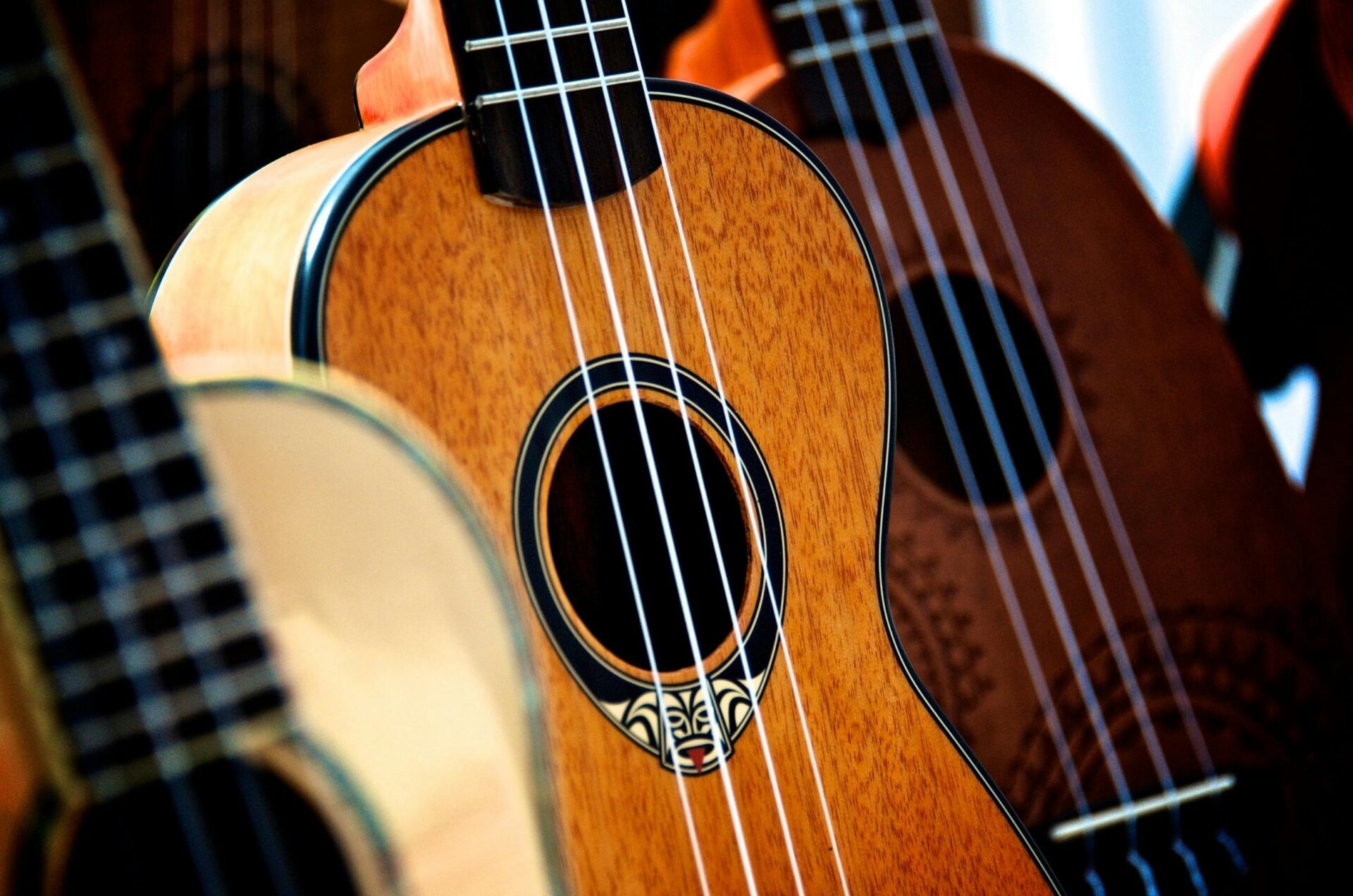
Ukulele (“Uke” for short) is part of the name of the pro­gram because it is one of the main ways that music is used in dif­fer­ent activ­i­ties with­in the pro­gram. The ukulele is part of the ele­men­tary music cur­ricu­lum in Ontario, which means that ele­men­tary school par­tic­i­pants get to take their learn­ing out­side of the for­mal class­room to a com­mu­ni­ty space. The ukulele is an acces­si­ble instru­ment as it can be used in mul­ti­ple ways (strum open, play like a drum, play col­lab­o­ra­tive­ly with a friend, etc.) which makes it a great option for fos­ter­ing con­nec­tions between pro­gram participants.

Facil­i­ta­tor Competencies

Pro­gram facil­i­ta­tion skills: facil­i­ta­tors of this pro­gram must have excel­lent pro­gram facil­i­ta­tion skills, as they are man­ag­ing mul­ti­ple peo­ple with diverse inter­ests, needs, and capac­i­ties. Typ­i­cal group sizes are 6–10 ele­men­tary stu­dents and 3–8 old­er adults per group.

Inter­per­son­al skills: com­mu­ni­cat­ing effec­tive­ly with par­tic­i­pants and co-facil­i­ta­tors is a crit­i­cal skill to be a suc­cess­ful Foun­tains of Uke facil­i­ta­tor. Rec­og­niz­ing and sup­port­ing folks through emo­tions or mem­o­ries that come up dur­ing music-based pro­gram­ming in a dig­ni­ty-giv­ing way helps ensure the pro­gram space is com­fort­able and safe for all.

Cre­ativ­i­ty: Facil­i­ta­tors get to know their par­tic­i­pants dur­ing the first ses­sions. Think­ing cre­ative­ly about how to infuse future pro­gram activ­i­ties with par­tic­i­pants’ inter­ests and skills can help build rap­port and con­nec­tion between the generations.

Sam­ple Activ­i­ties and Pro­gram Struc­ture #1

1 — Wel­come and Intro­duc­tion Activ­i­ty – “this or that MUSIC”. Facil­i­ta­tors bring pho­tos or sound clips of two (or more) oppos­ing musi­cal enti­ties. Par­tic­i­pants pick their choice from the two or more items, and dis­cuss. Facil­i­ta­tors may prompt par­tic­i­pants to pick their favourite choice, least favourite choice, most inter­est­ing choice, etc., based on the needs and capac­i­ties of the group. For exam­ple, facil­i­ta­tors could share a pho­to of a sym­phon­ic orches­tra play­ing and a pho­to of a per­son play­ing a ukulele on a beach. A sec­ond exam­ple, two sound clips: one of a song poten­tial­ly more famil­iar to the old­er par­tic­i­pants (Elvis, Glen Miller, Bing Cros­by, etc.) and a song poten­tial­ly more famil­iar to the stu­dents (Dis­ney hit, main­stream pop, movie sound­track); you may also choose two dif­fer­ent songs famil­iar to the old­er adults, the chil­dren will have impor­tant rea­sons for their choice even if they are not famil­iar with the music! Facil­i­tate dis­cus­sion once all par­tic­i­pants have shared their choice. Divide into small groups as appropriate.

2 – Music Bin­go – divide the group into mul­ti­ple inter­gen­er­a­tional teams. Using pre-made bin­go cards with song titles or artists or lyrics from songs, invite each group to fill out their bin­go card as the facil­i­ta­tors play excerpts from a pre-arranged playlist. This activ­i­ty can be extend­ed beyond the first team who gets bin­go by set­ting a goal of hav­ing a team achieve the most num­ber of squares.

3 – Ukulele Show and Tell – ele­men­tary stu­dent par­tic­i­pants part­ner with an old­er adult with the goal of intro­duc­ing their ukulele to them. Depend­ing on the age of the ele­men­tary stu­dents, facil­i­ta­tors may pro­vide a short lists of all the “ele­ments” of the ukulele to share with the old­er adults (for exam­ple – strings, tun­ing pegs, body, frets, spe­cif­ic chords). In sub­se­quent ses­sions, this could be scaf­fold­ing for a Learn A Song Togeth­er activity.

4 – Good­byes and Clos­ing – inter­gen­er­a­tional pairs are invi­tied to share one thing they learned or appre­ci­at­ed about the ses­sion. They are then invit­ed to share some­thing they are look­ing for­ward to about their next vis­it. Facil­i­ta­tors com­plete an all-group wrap-up.

Sam­ple Activ­i­ties and Pro­gram Struc­ture #2

1 – Wel­come and Intro­duc­tion Activ­i­ty – facil­i­ta­tors play 3 x 1‑minute excerpts from upbeat songs and invite par­tic­i­pants to have a dance par­ty. Depend­ing on the group and indi­vid­ual capac­i­ties, facil­i­ta­tors may invite ele­men­tary stu­dents to dance through the group and find and wave at one of their old­er adult friends from the pre­vi­ous vis­it. If appro­pri­ate, this can be an open-end­ed free dance par­ty for all par­tic­i­pants and facilitators.

2 – Learn­ing a Song Togeth­er – divide the group into sev­er­al inter­gen­er­a­tional teams. If pos­si­ble, a 4:2 or 5:2 ratio of chil­dren to old­er adults seems to work well. Hand out large print chord/lyric sheets to a song famil­iar to the old­er adults, such as (but not lim­it­ed to): You Are My Sun­shine, Row Row Row Your Boat, Skip to my Lou. Ensure that the chords used in the song are ones that the ele­men­tary stu­dents are learn­ing in their music class. Con­nect with the ele­men­tary music teacher to review song choice and asso­ci­at­ed chords. The goal of the activ­i­ty is for the chil­dren to learn to play the song on their ukule­les, with the sup­port of the old­er adults, who can sing along, hold the chord/lyric sheets and point to where the kids are in the song, etc. Facil­i­ta­tors may need to pro­vide vary­ing lev­els of sup­port to each group, depend­ing on their capac­i­ties, con­nec­tions form­ing, and com­fort on the ukulele and singing! Pro­vide sup­port­ive eye con­tact, encour­age­ment, and direct facil­i­ta­tion as needed.

3 – Per­for­mance – invite each small group to per­form their song for the rest of the par­tic­i­pants and facil­i­ta­tors. Depend­ing on the needs of the group, you may choose to have one large-group per­for­mance, or sev­er­al small group per­for­mances. Facil­i­ta­tors can sup­port per­for­mances as appropriate.

4 – My Musi­cal His­to­ry – work­ing in the same inter­gen­er­a­tional groups, the goal of this activ­i­ty is to talk about musi­cal expe­ri­ences that have been mean­ing­ful to each par­tic­i­pant, and to move from struc­tured prompt-based con­ver­sa­tion into more free-flow­ing con­ver­sa­tion. This will indi­cate bridg­ing of inter­gen­er­a­tional gaps. Facil­i­ta­tors can pro­vide sev­er­al cue cards to each group, with one dis­cus­sion prompt writ­ten on each card. For exam­ple, here are three dis­cus­sion prompt ideas: 1) What musi­cal instrument(s) have you played before? If you have not played an instru­ment before, what instru­ment would you be inter­est­ed in try­ing? 2) What is a mem­o­ry in your life that has music as a part of it?  3) What does music mean to you? You can invite each group to work through the prompts at their own pace.

5 – Good­byes and Clos­ing – work­ing in the same groups, par­tic­i­pants are invit­ed to share some­thing they learned dur­ing the ses­sion today and share their good­byes. Facil­i­ta­tors com­plete and all-group sum­ma­ry and closing.

Prac­ti­cal Advice for Implementation

Part­ner­ship con­sid­er­a­tions: it is ide­al to engage a school and a care home that are in walk­ing dis­tance from each oth­er. This allows the ele­men­tary stu­dents to walk to the care home for pro­gram ses­sions, reduc­ing finan­cial and logis­ti­cal bar­ri­ers to pro­gram participation.

Sched­ul­ing: con­sid­er that both the school and care home may have sched­ule con­straints. Build in lots of time to con­firm the sched­ule with lead­ers at each space pri­or to a tar­get start date.

Con­tin­gency plan­ning: it is very pos­si­ble that ses­sions will need to be mod­i­fied or resched­uled for var­i­ous rea­sons (out­breaks and inclement weath­er to name a few). Main­tain­ing good com­mu­ni­ca­tion with con­tacts at the school and home lead­ing up to ses­sions will ensure all par­ties are on the same page about the plan. Get cre­ative if you face bar­ri­ers. For exam­ple, if inclement weath­er pre­vents the kids from trav­el­ling to the care home, con­sid­er send­ing some facil­i­ta­tors to the school and some to the home so that all par­tic­i­pants can still engage in a mod­i­fied program.

Guided Group Songwriting

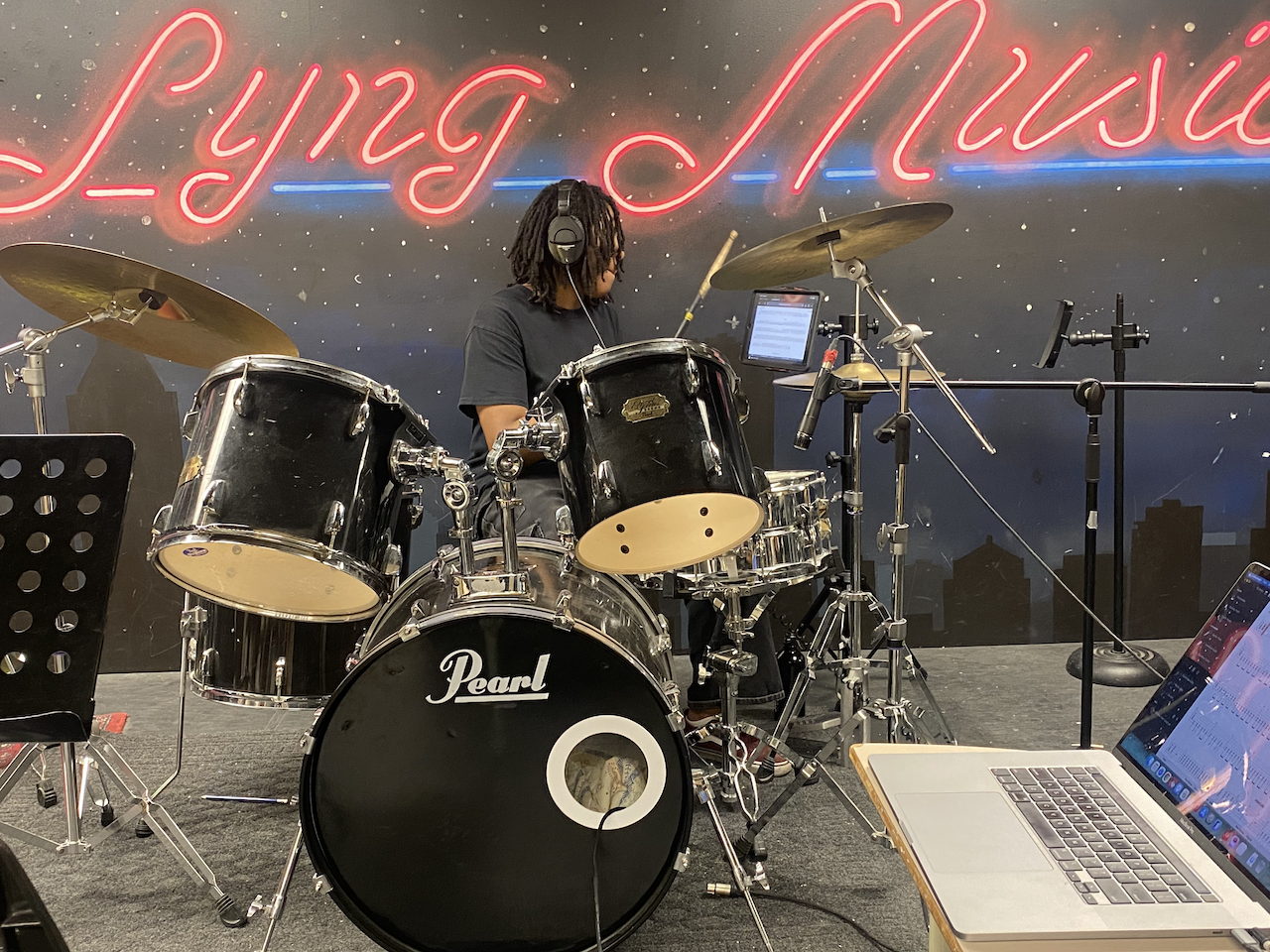
James Lyng High School’s music pro­gram draws on stu­dents’ musi­cal pref­er­ences, includ­ing hip-hop, EDM, punk, met­al, rock, and pop. To pre­pare for our school’s end-of-year mix­tape, each stu­dent band writes and records an orig­i­nal song. Depend­ing on stu­dents’ abil­i­ty lev­els, the writ­ing process is guid­ed and scaf­fold­ed to vary­ing degrees, with the least expe­ri­enced stu­dents requir­ing the most sup­port. This project address­es group song­writ­ing by fea­tur­ing stu­dent per­spec­tives and exam­ples through short audio interviews.

When work­ing with my youngest groups at James Lyng, I most often start by hav­ing them iden­ti­fy a song they want to mod­el their orig­i­nal song after. It helps if they have already learned to play the song, as famil­iar­i­ty with its notes and chords makes them more active par­tic­i­pants in song­writ­ing. We begin by dis­cussing many of the song’s qual­i­ties, includ­ing lyrics, feel, vocal phras­ing, key, and chords, as well as which qual­i­ties the stu­dents most want to emulate.

Cre­at­ing a Foundation

To start the cre­ation process, I will guide stu­dent groups to cre­ate either a chord pro­gres­sion or a riff as a foun­da­tion for their song. The group will decide which direc­tion to start in, informed by their cho­sen song.

  • Cre­at­ing a Chord Pro­gres­sion: There are two prin­ci­pal ways that I have stu­dents come up with a chord progression.
    • The first is to encour­age stu­dents to rearrange the chords of their cho­sen song into a new pro­gres­sion. I often have stu­dents plug head­phones into their ampli­fiers so they can hear only them­selves. A peri­od of exper­i­men­ta­tion is fol­lowed by a peri­od of sharing.
    • In the sec­ond approach, I guide the chord-cre­ation process more active­ly. Using my gui­tar, I show the stu­dents the key cen­ter of their cho­sen song and demon­strate the key’s dia­ton­ic chords, recit­ing the scale degrees asso­ci­at­ed with each chord as I play. I do not include the dimin­ished chord of the key as an option (VII chord in major keys, II chord in minor keys). I rec­om­mend that the group start their chord pro­gres­sion on the ton­ic chord, as that is the con­ven­tion in pop music. I ask stu­dents to sug­gest a sec­ond chord. I will play the tran­si­tion between the ton­ic chord and their cho­sen chord. We will audi­tion sev­er­al chords until the group choos­es one. We will then audi­tion a third chord, and so on, until we decide on one or two 4- or 8‑bar progressions.
  • Cre­at­ing a Riff 
    • In the past, I have had one or two moti­vat­ed gui­tar play­ers who have cre­at­ed riffs inde­pen­dent­ly and shared them with the group.
    • Alter­na­tive­ly, I will teach the group the scale asso­ci­at­ed with their cho­sen song by rote. This will be fol­lowed by a peri­od of exper­i­men­ta­tion with head­phones plugged into their amps, and then a peri­od of sharing.

Cre­at­ing a Mock-up Recording

After estab­lish­ing the song’s foun­da­tion, I will teach the group how to play the chord pro­gres­sion or riff. We will jam on the new ele­ment, often adapt­ing strum­ming and drum pat­terns from their cho­sen song to the new con­text. Addi­tion­al­ly, I will cre­ate a mock-up record­ing in a DAW. I will pro­gram vir­tu­al drums in the DAW based on the new drum part and over­dub gui­tar and bass to match what the group is playing.

This liv­ing doc­u­ment will serve many pur­pos­es. It will allow stu­dents to devel­op vocal melodies with­out the added bur­den of play­ing their instru­ments. It will also serve as the basis for our class­room record­ing. I find that many young drum­mers who have dif­fi­cul­ty play­ing to a click track will find it eas­i­er to play to a mock-up recording.

Cre­at­ing Lyrics and Vocal Melodies

The process of cre­at­ing lyrics and vocal melodies is often inter­twined, and I try to have stu­dents guide the activ­i­ties as much as pos­si­ble. I find the fol­low­ing tech­niques reli­able at this stage:

  • Singing over the mock-up record­ing: I often have the stu­dents col­lec­tive­ly cre­ate a sin­gle rhyming cou­plet to estab­lish vocal phras­ing. An intu­itive stu­dent singer can try singing the lyrics over the mock-up record­ing. I will often record suc­cess­ful attempts so we can audi­tion them in the fol­low­ing class.
  • Impro­vis­ing melodies on the key­board: Most DAWs can trans­pose a VST instru­ment, allow­ing stu­dents to play freely on the white keys regard­less of the song’s key cen­ter. I often have stu­dents take turns impro­vis­ing over the full song while record­ing in MIDI. In the fol­low­ing class, the group will lis­ten back to the record­ings and iden­ti­fy the strongest melodies.
  • If stu­dents are hav­ing dif­fi­cul­ty estab­lish­ing lyri­cal phras­ing, or if they are unsat­is­fied with the phras­ing, have them sing or recite the lyrics to oth­er songs they know, includ­ing their cho­sen song, over the mock-up record­ing. They can­not keep these lyrics, but the process may inspire phras­ing they are sat­is­fied with.
  • I some­times guide stu­dents to cre­ate an inter­nal rhyme in their ini­tial rhyming cou­plet, which estab­lish­es an ABAB rhyme scheme. This gives them the option to try the lyrics at half­time, for exam­ple, over 8 bars instead of 4 bars.
  • I often email my stu­dents a mix­down of the cur­rent mock-up track and ask them to write lyrics on a spec­i­fied theme for home­work. Even if what they bring does not match the song’s ini­tial lyri­cal phras­ing, it can be adapt­ed in class. Hav­ing a wealth of poten­tial con­tent on a shared theme helps keep the process moving.

Grade 7

The song­writ­ing process with this year’s Grade 7 cohort fol­lowed these steps fair­ly con­sis­tent­ly. This group had pre­vi­ous­ly cho­sen to learn “Sweater Weath­er” by The Neigh­bor­hood, and they chose to mod­el their song after it. To help gen­er­ate ideas, we dis­cussed many aspects of “Sweater Weath­er,” includ­ing its lyrics, feel, vocal phras­ing, key, and chords. I pre­sent­ed the dia­ton­ic chords of the song’s key on gui­tar while recit­ing their scale degrees. After audi­tion­ing sev­er­al chord com­bi­na­tions, the group set­tled on two pos­si­ble progressions.

To pre­pare for the next class, I record­ed both chord pro­gres­sions in a DAW. I had will­ing stu­dents take turns impro­vis­ing on the white keys of a trans­posed piano key­board while I record­ed their ideas via MIDI. Dur­ing the same class, we began dis­cussing lyri­cal themes that matched the mood of the chord pro­gres­sion. Over sev­er­al class­es, we worked to cre­ate lyrics. Stu­dents brought con­tent they had cre­at­ed at home, and we worked to mold it into con­sis­tent phras­es that fit the song’s struc­ture. Once a con­sis­tent lyri­cal frame­work had been estab­lished, we revis­it­ed the melod­ic frag­ments stu­dents had impro­vised on the key­board, audi­tion­ing them with the new­ly writ­ten lyrics. While the stu­dents respond­ed pos­i­tive­ly to sev­er­al of these melodies, the singer ulti­mate­ly grav­i­tat­ed to anoth­er melody that she devel­oped intu­itive­ly. The group felt that this melody suit­ed the song and her voice, and it became the song’s vocal melody.

To com­plete the lyrics, we estab­lished a small “lyric com­mit­tee” that met twice after school to fin­ish the text. Through­out the song­writ­ing process, we also took time to prac­tice the chord pro­gres­sion and devel­op instru­men­tal parts to sup­port the melody and lyrics. These instru­men­tal parts bor­rowed sig­nif­i­cant­ly from “Sweater Weath­er,” espe­cial­ly in the verse.

Here is my con­ver­sa­tion with Grade 7 stu­dents Rock­lyn and Emil­i­ah about cre­at­ing their class song.

Grade 8

When work­ing with this year’s Grade 8 band, I used some of the same strate­gies but left more room for stu­dent auton­o­my. The band decid­ed to mod­el their orig­i­nal song after “Blink Gone” from the ani­me series “Alien Stage,” which they had pre­vi­ous­ly played. Because the verse of “Blink Gone” is built around a gui­tar riff, I asked the stu­dents to plug head­phones into their ampli­fiers and com­pose their own riffs. Although I did not explic­it­ly show them the song’s scale (Cm), we had just played it togeth­er, and almost all the stu­dents intu­itive­ly grav­i­tat­ed toward its tonal cen­ter. Dur­ing the shar­ing ses­sion, I record­ed each of their riffs and lat­er tran­scribed them into tab­la­ture so the band could learn and exper­i­ment with the ideas in the fol­low­ing class.

Both the stu­dents and I were sur­prised by how nat­u­ral­ly the riffs could be lay­ered over one anoth­er, and the group quick­ly formed a loose song struc­ture. Two stu­dents in par­tic­u­lar want­ed to write lyrics and melodies, and they chose to do so instead of anoth­er class­room assign­ment. One stu­dent quick­ly wrote lyrics and com­posed a vocal melody. The oth­er strug­gled to find words and melodies that met her expectations.

Dur­ing our con­ver­sa­tions while we tried to estab­lish a vocal melody, she men­tioned she want­ed it to sound more like Mitski’s “Wash­ing Machine Heart.” I encour­aged her to sing the song over the mock-up record­ing of our orig­i­nal song. The first frag­ment of Mitski’s melody fit very well, but in its new con­text it was almost unrec­og­niz­able. This felt like a break­through, lead­ing her to fin­ish the melody and lyrics.

In this audio excerpt, I speak with Grade 8 stu­dents Téar­rah and Gab about writ­ing their class song.

Grade 9

This song is from one of my Grade 9 bands. The group is real­ly just a duo that reg­u­lar­ly plays with me, or some­times with stu­dent musi­cians from oth­er grade lev­els. Both mem­bers are excep­tion­al impro­vis­ers, which is won­der­ful, but it also can present chal­lenges. It can be dif­fi­cult to get them to com­mit to an idea and devel­op it into a song. To help focus their efforts, I insist­ed they write lyrics, as I felt doing so would anchor their musi­cal ideas. I scaf­fold­ed the lyric-writ­ing process using some of the steps described in this post. Although the results were mixed, I feel that these struc­tured lyric-writ­ing ses­sions led them to dis­cov­er their own alter­na­tives. After sev­er­al weeks of strug­gling to devel­op lyrics, a par­tic­u­lar­ly pro­duc­tive ses­sion with the drum­mer yield­ed a full set of lyrics and melody for the verse and cho­rus, after which the rest of the song fell into place.

Here is my con­ver­sa­tion with Grade 9 stu­dents Logan and Quinn about their orig­i­nal song.

Grade 10

This final song is from one of my Grade 10 bands. Two of its mem­bers are ded­i­cat­ed musi­cians who reg­u­lar­ly spend their lunch hours in the school’s music stu­dio, and much of the song was writ­ten out­side class time. Both stu­dents brought musi­cal ideas they had devel­oped at home to be inte­grat­ed into the class song. As a teacher, I pro­vid­ed very lit­tle guid­ance on cre­at­ing music, but I some­times helped them find ways to bridge their musi­cal ideas. I also helped them cre­ate the song’s over­ar­ch­ing struc­ture. I took a more active role in scaf­fold­ing the lyric-writ­ing process, draw­ing at times on some of the strate­gies described in this post. While the lyrics the group wrote through this struc­tured process had con­ven­tion­al phras­ing, the band’s singer sub­vert­ed that phras­ing when singing them. He also added his own vocal melodies through improvisation.

This is my con­ver­sa­tion with Grade 10 stu­dents Dean and Jahvon about writ­ing their orig­i­nal song.

The musi­cal exam­ples in these record­ed con­ver­sa­tions are rough mix­es. To lis­ten to the com­plete songs by these and oth­er James Lyng stu­dents, vis­it www.upnextrecordings.com.

Inner Voices {Voix intérieures}

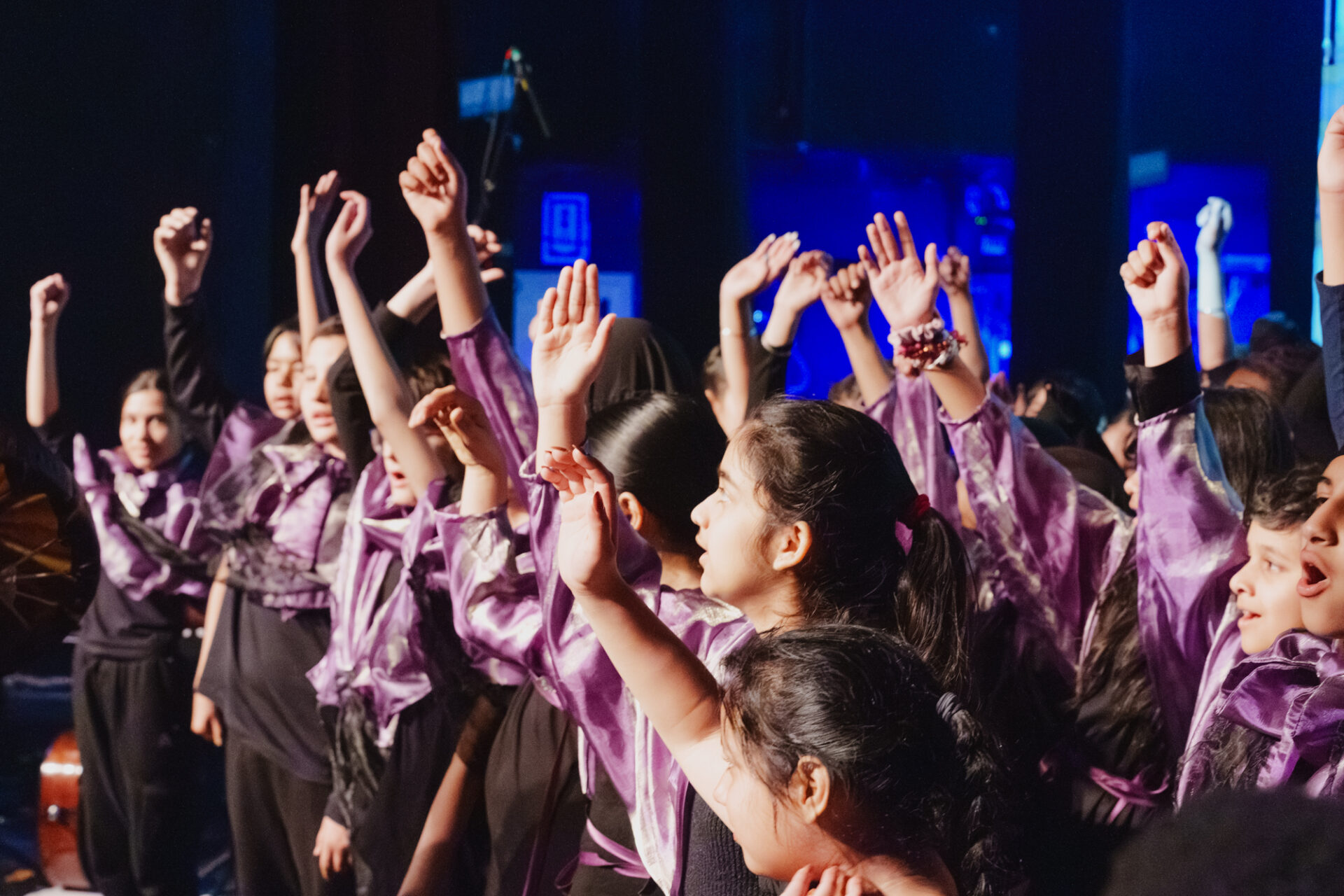
Inner Voic­es {Voix intérieures} is a col­lab­o­ra­tive opera project by and for chil­dren that invites groups of kids to help cre­ate oper­at­ic works inspired by their imag­i­na­tions. These operas take place in abstract worlds where per­son­al growth and col­lec­tive strength guide dream­like quests that unfold across non-lin­ear timelines.

Rather than ask­ing chil­dren to per­form a pre-writ­ten work, the project invites them to par­tic­i­pate in the cre­ative process itself. Over sev­er­al weeks, stu­dents immerse them­selves in the world of con­tem­po­rary opera through work­shops where they explore music and stage cre­ation as a space for play, rit­u­al, and exper­i­men­ta­tion. Under our care, each group learns to mas­ter stage prac­tices by work­ing on pres­ence, move­ment, voice, and the con­cep­tu­al­iza­tion of ideas. The project aims to devel­op self-con­fi­dence, active lis­ten­ing, and per­son­al expres­sion through a shared artis­tic experience.

“If you could cre­ate any­thing, in a world where the only lim­it would be your imag­i­na­tion, what would it be?”

This ques­tion lays the foun­da­tion for a space of absolute trust that we seek to estab­lish in our projects in order to nur­ture children’s cre­ative essence as well as their rela­tion­ship to new music and the opera of tomorrow.

The under­ly­ing themes we dis­cov­er when lis­ten­ing to the voic­es of tomor­row in par­tic­i­pa­to­ry music are not about tak­ing risks or fear of the unknown. Rather, they revolve around gen­uine human con­nec­tions and a thriv­ing open­ness to new experiences.

Operas’ syn­op­sis

Paréi­dolie (2023) (Parei­do­lia): a look at the col­lec­tive nature of our species across space and time, where mes­sages revealed through the clouds prompt us to reflect on our per­son­al development.

Fioles de rêve (2024) (Vials of Dream): an explo­ration of lucid­i­ty in dreams, the var­i­ous human qual­i­ties that can flour­ish there, as well as a study of flow objects to high­light the col­or­ful land­scape of the dream world.

L’ombre ailée et la licorne des mers (bulbe d’infini) (2025) (The Sea Uni­corn and the Less­er False Vam­pire (Seed of Infin­i­ty)): a heal­ing jour­ney through the use of the ele­ments of water and air, as well as our star ani­mals: the bat and the nar­whal. A dive into sym­bol­ism and mem­o­ry to find inner strength and peace.

Dépêche-toi (2026) (Hur­ry Up): a man­i­festo on time in the school ecosys­tem, where chil­dren and adults try to press a mag­ic accel­er­a­tion but­ton to com­plete their activ­i­ties. In the end, is it real­ly effective?

Project imple­men­ta­tion time­line (13 weeks)

The work is cre­at­ed dur­ing a 12-week res­i­den­cy in a school set­ting. Stu­dents par­tic­i­pate in the cre­ation of the opera and take part in its pub­lic per­for­mance, accom­pa­nied on stage by Maxime and an ensem­ble of pro­fes­sion­al musi­cians, as well as by Véronique and a ded­i­cat­ed tech­ni­cal team both back­stage and in the con­trol room. 

Meet­ing with the groups and intro­duc­tion to the theme | Week 1

Explorato­ry activ­i­ties (theme, music, opera, voice)

Sto­ry devel­op­ment | Weeks 1–6

Exper­i­men­ta­tion with musi­cal, tex­tu­al (libret­to), and chore­o­graph­ic material

Cre­ation of com­po­si­tions based on the exper­i­ments | Weeks 5–7

Final­iz­ing the libret­to and shar­ing the first pieces with the students

Per­for­mance work and col­lab­o­ra­tive cre­ation | Weeks 7–10

Assign­ing roles, char­ac­ter devel­op­ment, stag­ing (draw­ing inspi­ra­tion from dis­cus­sions with stu­dents and group inter­ac­tions to final­ize the pieces)

Con­nect­ing the work to our reflec­tions on the theme | Weeks 9–12

Refin­ing the musi­cal mate­r­i­al, devel­op­ing a sense of con­nec­tion to one’s char­ac­ter, and stag­ing work

Visu­al design | Weeks 3–12

Cre­at­ing sym­bols that con­tribute to the visu­al aspect of the work (on-stage pro­jec­tions) and cos­tume elements

Rehearsals for the per­for­mance | Weeks 11 and 12

Pub­lic Pre­sen­ta­tion | Week 13

This pub­lic pre­sen­ta­tion is made pos­si­ble through a part­ner­ship with Le Vivi­er, an orga­ni­za­tion spe­cial­iz­ing in con­tem­po­rary music. The project has also received sup­port from the “La cul­ture à l’école” pro­gram of the Que­bec Min­istry of Edu­ca­tion (MEQ), as well as from the Que­bec Min­istry of Cul­ture and Com­mu­ni­ca­tions (MCCQ) and the Con­seil des arts et des let­tres du Québec.

Excerpt from our logbook

Log­book


Plan­ning and Reveal­ing, Week ___


GETTING TO KNOW EACH OTHER

- Three well-being-focused ques­tions to answer, fol­lowed by each stu­dent tak­ing turns to share: 

- An object that helps you refocus

- A com­fort­ing place

- A sooth­ing activ­i­ty you do to calm your­self down


CREATION
- Draw a pic­ture rep­re­sent­ing the project that will be used in the video presentation
- Draw from a deck of vocal game cards and explore with the groups
- Chant select­ed slo­gans as a group with very intense piano accom­pa­ni­ment (the voice must be loud­er than the piano)


REFLECTION
- The more orga­nized we are with a clear and shared plan, the more we can exper­i­ment and dis­cov­er things (open­ness)
- Giv­ing chil­dren deci­sion-mak­ing pow­er con­nects them to the project
- Vary the approach­es across the three groups to avoid rep­e­ti­tion and bet­ter lis­ten to the group’s needs and ideas


CHALLENGE
- To engage a non-par­tic­i­pat­ing stu­dent: stay close with kind­ness and par­tic­i­pate with the group until they feel con­nect­ed. (for exam­ple: dur­ing the choir)

Con­tact

Maxime Daigneault [daigneault.maxime(at)gmail.com]

Véronique Girard [veronique.d.girard(at)gmail.com]

Nakatani Gong Orchestra — A community orchestra ringing everywhere

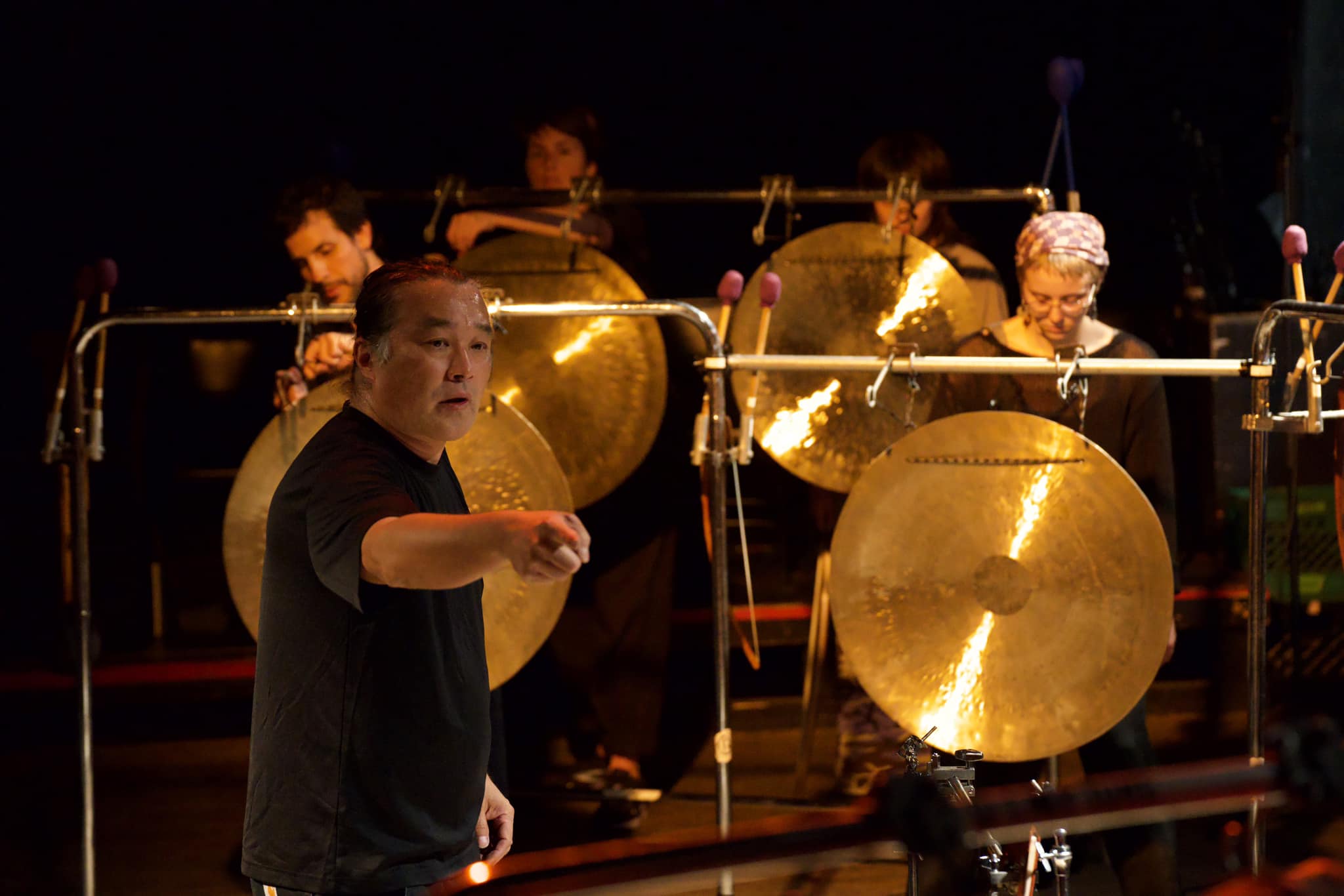
The Nakatani Gong Orches­tra (NGO) is a trav­el­ing par­tic­i­pa­to­ry com­mu­ni­ty orches­tra found­ed and led by Japan­ese mas­ter per­cus­sion­ist Tat­suya Nakatani that per­forms Nakatani’s orig­i­nal com­po­si­tions and direct­ed impro­vi­sa­tions. This inno­v­a­tive project brings togeth­er local musi­cians of diverse backgrounds—regardless of pri­or expe­ri­ence, pro­fes­sion­al or amateur—to col­lab­o­rate with Nakatani on his adapt­ed bowed gongs. Under his direc­tion, the ensem­ble explores guid­ed group impro­vi­sa­tion, craft­ing immer­sive and trans­for­ma­tive sound­scapes. Since its incep­tion in 2011, the NGO has expand­ed from four to sev­en­teen gongs of vary­ing sizes and pitch­es, per­form­ing hun­dreds of con­certs world­wide with thou­sands of participants.

For each per­for­mance, a local orga­niz­er assem­bles a group of 16 gong play­ers, who receive a detailed prepa­ra­tion package—including hand sig­nals, per­for­mance com­mands, and instruc­tion­al videos. On the day of the event, Tat­suya Nakatani leads an immer­sive work­shop, guid­ing par­tic­i­pants as they prac­tice with the instru­ments, refine their tech­niques, and learn to respond to con­duct­ing cues, seam­less­ly inte­grat­ing them into the final performance.

Nakatani trav­els with all nec­es­sary equip­ment, includ­ing his cus­tom-made Kobo bows, mal­lets, gongs, and stands—ensuring each per­for­mance is ful­ly sup­port­ed by his metic­u­lous­ly craft­ed instru­ments. All the mate­r­i­al is assem­bled the morn­ing of the show by the host­ing orga­ni­za­tion and the par­tic­i­pat­ing musicians.

On Octo­ber 6, 2024, the ensem­ble made its Montreal/Quebec debut at La Sala Rossa as part of the FLUX Fes­ti­val, a com­mu­ni­ty ini­tia­tive unit­ing key pre­sen­ters and orga­niz­ers in Montreal’s cre­ative music scene.This con­cert was orga­nized by the improvised/experimental music series and col­lec­tive Mar­di Spaghet­ti and facil­i­tat­ed by Raphaël Foisy-Cou­ture, for­mer exec­u­tive direc­tor of the Cana­di­an Music Net­work, in col­lab­o­ra­tion with the Par­tic­i­pa­to­ry Cre­ative Music Hub, Inno­va­tion en con­cert, and Arts in the Margins.

The Nakatani Gong Orches­tra (NGO) is the world’s only bow­ing gong orches­tra, found­ed and led by Japan­ese mas­ter per­cus­sion­ist Tat­suya Nakatani. A cel­e­brat­ed exper­i­men­tal per­cus­sion­ist, com­pos­er, and sound artist now based in New Mex­i­co, Nakatani has been inter­na­tion­al­ly active since the 1990s, releas­ing over 80 record­ings and per­form­ing world­wide. Renowned for his inno­v­a­tive tech­niques on bowed gongs, drums, cym­bals, and singing bowls, he is also an instru­ment mak­er, craft­ing the Kobo bows, mal­lets, and unique equip­ment used in his per­for­mances. Nakatani is also a ded­i­cat­ed edu­ca­tor, reg­u­lar­ly con­duct­ing mas­ter­class­es at uni­ver­si­ties and music conservatories.

The per­for­mance show­cased the NGO’s dis­tinc­tive and mes­mer­iz­ing sound.

Here’s an edit­ed tran­script of the pre­sen­ta­tion made by Tat­suya Nakatani fol­low­ing a solo per­for­mance pre­ced­ing the NGO per­for­mance on that night:

[Loud applause]

Thank you very much for com­ing tonight!

My name is Tat­suya Nakatani, and I’m a per­cus­sion­ist. I’m orig­i­nal­ly from Osa­ka, Japan. I moved to the U.S. 30 years ago, and cur­rent­ly I live in Truth or Con­se­quences, which is a south­ern New Mex­i­co small town. I’ve been play­ing per­cus­sion all my life. I’m on tour. From New Mex­i­co to here took me over two months.

[Audi­ence laughing]

I left my house on August 5th, and I’m here today. I’ve been play­ing many places and I’m going back to the U.S. tomor­row. Tonight, actu­al­ly! Tonight I’m dri­ving back, and I’m going to go back towards New Mex­i­co. 

[Impressed exhales from the public|

Tonight I’m open­ing for my ensem­ble. I have been play­ing a drum set since I was a high school kid. A drum set like: hi-hat, cym­bals, etc. At some point I start­ed shift­ing my inter­est to sound and more extend­ed tech­nique-based play­ing and I start­ed play­ing solo per­cus­sions, and at the same time, I start­ed bow­ing per­cus­sions. So in the begin­ning, I was using a bass bow, cel­lo bow, vio­lin bow, to bow on the the cym­bals and the singing bowls. Around 2005, 2006, I start­ed mak­ing my own bows, because a con­ven­tion­al instru­ment bow does­n’t work for the per­cus­sions. So I start­ed invent­ing and test­ing pro­to­types. At that time I had in mind this gong orches­tra project; “maybe It could be more”. So I’ve been work­ing on this project since 2005. In my head, maybe since 2000. 

[Audi­ence laughing]

It’s a long-time project, my life­time project. And I start­ed gong orches­tra around 2008. It was a small ensem­ble, only four gongs. It’s expen­sive for an inde­pen­dent DIY musi­cian to pur­chase these. 

[Audi­ence laughing]

So I keep buy­ing lit­tle by lit­tle, and today I have 16 gongs! Includ­ing me, there will be 17 gongs played to you. I think this is a life­time expe­ri­ence, you know, 17 gongs in front of you. How many peo­ple have expe­ri­enced that? 

[Audi­ence laugh­ing and cheering]

I’m going to explain a lit­tle bit, too. I’m Asian, and I’m from Japan. But these gongs are not from Japan, and these bows are not from Japan, either. And this music you’re about to hear is not from Japan. So noth­ing is about Japan. 

[Audi­ence laughing]

I use only the tim­ing, actu­al­ly.  It’s in my biog­ra­phy, talk­ing about the “Ma”. “Ma” is the tim­ing. “Ma” is the spac­ing between A and B. So I use lots of ma, in my music. So every­thing is space and expand, and then using grav­i­ty to dawn. That’s the “Ma”. But it’s not about Japan. It’s not about any coun­try or region. So my work is from nowhere. I live in the U.S., but I’m not Amer­i­can. I’m kind of away from Japan. I’m not Japan­ese, maybe. I don’t know [Tat­suya laughs]

So these are Chi­nese gongs. It’s called the Wuhan gong and it’s also called the Wind gong. It has a straight edge. Many South­east Asian [coun­tries] have gongs who varies from dif­fer­ent region. Maybe some peo­ple here know more than me, but some have edges or nip­ples and spe­cif­ic tones. But this is a disc, just a bronze disc and I can change the pitch­es. The vibra­tion is mov­ing around inside. Some­times it stays there, Some­times it’s from the cen­ter. And some­times I’m using two bows. Than two tones go inside the same gong, and it becomes vo, vo, vo, vo, vo, vo, vo, vo, vo [imi­tat­ing oscil­la­tion sounds]. The two beat­ing with each oth­er; that kind of effect as well. 

So I’ve been work­ing on bows and gongs for many years. And I try to teach peo­ple and do my orches­tral work. So today we have 16 local Mon­tre­al play­ers. We did a work­shop all after­noon. 

[Loud cheer­ing from the audi­ence] 

I pre­fer you to not have earplugs, because I’m very sen­si­tive about the sound. When I go to rock shows, I always put on earplugs.  But for this, at some point it’s loud. It’s real­ly loud… It’s incred­i­bly loud I’ll tell you! 

[Audi­ence laughing]

But it’s not for­ev­er.  

[Audi­ence laugh­ing louder]

It’s not a con­stant. It’s just one moment. You just observe whole vibra­tions, and that’s the best. Not just from the ear. Your organs, your skin, your bone, your hair is lis­ten­ing to this as well. So that’s my project. It’s a vibra­tional project.

Maybe you can tell if you [record] with an iPhone or a smart­phone to cap­ture it when you’re back home:  “it was great, I want to post on my Insta­gram!”. And then it sounds like bii­i­i­i­i­i­ipppp (imi­tat­ing the sound of a flat­line). 

[Audi­ence laughing]

It’s not a sound. It sounds dif­fer­ent. It’s a vibra­tion. So you are here. You are about to expe­ri­ence it. And it’s pret­ty dif­fi­cult to cap­ture with micro­phone and record­ings. But it’s live. It’s air. And you are alive here. So I hope you enjoy it. 

[…]

Thank you so much for com­ing again.

[Audi­ence cheering]

__

The musi­cians for this Mon­tre­al edi­tion of the Tat­suya Nakatani Gong Orches­tra were:

Geneviève Ack­er­man, Miel Azeve­do, Annabelle Chouinard, Soledad Coy­oli, Mar­ilou Craft, Susan­na Hood, Atsushi Ike­da, Chloe Jack­son-Reynolds, Pablo Jimenez, Jean Néant aka Joni Void, Shota Naka­mu­ra, Rox­anne Nes­bitt, Fah­mid Nibesh, Helios Par­adis, Chris­telle Saint-Julien, and Tahlia Stacey

Com­ments from the Mon­tre­al participants: 

It was a true joy to par­tic­i­pate in the immer­sive encounter with Tat­suya Nakatani and with such a wide array of musi­cians from the impro­vised music com­mu­ni­ty. It felt like a rare gift to learn and then per­form togeth­er in this way, hav­ing enough time to real­ly enter into and taste anoth­er musi­cian’s world and then to put that expe­ri­ence into prac­tice with an audi­ence. It was nour­ish­ing per­son­al­ly, musi­cal­ly, and in tan­gi­bly feel­ing cre­ativ­i­ty as and in com­mu­ni­ty. I am very grate­ful. Susan­na Hood

It was one of a kind expe­ri­ence. Play­ing a big gong was phys­i­cal­ly way tougher than I could imag­ine but I was hap­py to be includ­ed to such a spe­cial oppor­tu­ni­ty. I liked Tat­suya’s pas­sion.Shota Naka­mu­ra

Thank you so much for the oppor­tu­ni­ty. It was a real­ly cool expe­ri­ence to play with so many dif­fer­ent musi­cians from dif­fer­ent back­grounds but in such a nov­el and uni­fied way, learn­ing to read those wild cues togeth­erAtsushi Ike­da

The expe­ri­ence of the Tast­suya Nakatani Gong Orches­tra was pow­er­ful and deeply mov­ing, Such a com­mu­nal musi­cal plunge into the world of vibra­tions is enough to leave shiv­ers of hap­pi­ness between the ears for a long time! It was a work­shop and a con­cert of kind­ness and sim­plic­i­ty, in the pure joy of shar­ing oth­er­world­ly sounds. Long live this mar­vel­lous project, which I hope I’ll have the good for­tune to wit­ness again along the way. Thank you for every­thing!Annabelle Chouinard

Dur­ing this day of prepa­ra­tion, I had the chance to immerse myself in the world of the per­cus­sion­ist, through his pre­cise knowl­edge of his pre­cious and mas­sive set of very spe­cial gongs. I lent my body to the expe­ri­ence in an attempt to draw the right vibra­tions from these instru­ments, and I have to say that phys­i­cal­ly it was a chal­lenge, but one that was duly reward­ed by the direct con­tact of the rever­ber­a­tions and the syn­er­gy of the ensem­ble in the moment. This per­for­mance and the per­son of Tat­suya con­tin­ue to influ­ence me in my own per­for­mances since Octo­ber 6, 2024. Helios Par­adis

__

Thanks to Li Qi for film­ing this performance.

Thanks to Elaine Gra­ham and Adam from Mlynel­lo Art Mlynel­lo for the pic­tures of the event.

__

The Cana­di­an Pre­miere of the Tat­suya Nakatani Gong Orches­tra took place on Thurs­day, June 15th 2017 at The Mount Com­mu­ni­ty Cen­tre in Peterborough.

It was facil­i­tat­ed by musi­cian and orga­niz­er Ben­net Bedoukian

The gong play­ers were Ben­net Bedoukian, Melis­sa Bald­win, John Cli­men­hage, Jean-Paul Con­tois, Sylvie Dasne, Stephen Dish­er, Rob Fortin, Matt Gre­co, Joelle Levesque, Megan McAn­drew, Leigh Mac­don­ald, Susan New­man, Rick Sloukji, and Noah Ger­ard Vandelinde.

Stories of the night sky

Peo­ple across the ages have looked up at the night sky and seen sto­ries, fables and myths in the stars. Inspired by music, this activ­i­ty invites par­tic­i­pants of all ages to cre­ate their own con­stel­la­tions and tell their own sto­ries of the night sky.

Mate­ri­als:

White cof­fee fil­ters (3 per star chart)
Black per­ma­nent marker
Col­ored wash­able mark­ers (no black and brown)
Spray bot­tle (with water)
Pencil

Instruc­tions for mak­ing an imag­i­nary star chart:

Lis­ten to a piece of music from Dark Sky Pre­serve, an album and book by Ian Fer­ri­er, Louise Camp­bell and Sarah Beth Goncar­o­va that explores the ways in which we con­nect and dis­con­nect from our­selves and oth­ers in our search for our place in the universe.

Step 1:

On a sur­face that can get wet, flat­ten three cof­fee fil­ters on top of each oth­er. Draw dots on the top cof­fee fil­ter using black per­ma­nent mark­er. The dots can be in a ran­dom pat­tern and of dif­fer­ent sizes, or in the form of a famil­iar con­stel­la­tion. The effect will be of a star chart.

Step 2:

Draw abstract shapes and lines in and around the dots using a vari­ety of col­ored wash­able mark­ers. Colours can touch and overlap.

Step 3:

Hold­ing the spray bot­tle one foot away from the cof­fee fil­ters, spray the top cof­fee fil­ter with a light mist until the colours bleed into one another.

Tip – too much water sprayed too close to the cof­fee fil­ters wash­es out the ink. Spray light­ly once or twice, then watch the ink bleed before decid­ing if more water is needed.

Step 4:

Peel the cof­fee fil­ters apart, and place on a flat sur­face to dry.

Step 5:

Each cof­fee fil­ter rep­re­sents a unique con­stel­la­tion, with the black dots as stars and the colours as auro­ra bore­alis. As you lis­ten to the music, what do you see in your night sky? Is there an ani­mal, a bird, a per­son, or per­haps a myth­i­cal crea­ture? What is it doing? Is it hold­ing an object? What is its name? What sto­ry does it have to tell?

Once the cof­fee fil­ters are dry, use the dots and colours as a guide to sketch a dif­fer­ent con­stel­la­tion on each cof­fee fil­ter using a pen­cil. Trace the pen­cil lines with a per­ma­nent marker.

Option­al:

Many musi­cians have made music inspired by the cos­mos. Lis­ten to music of your choice and make more cof­fee fil­ter con­stel­la­tions. Place the result­ing cof­fee fil­ter con­stel­la­tions in rela­tion to each oth­er to form your own ver­sion of a night sky.

To go fur­ther and cre­ate your own music inspired by the night sky, con­tact: mlouisecampbell@gmail.com

solidARiTy : musical action in public space

« sol­i­dAR­i­Ty » is a par­tic­i­pa­to­ry music project which can encom­pass musi­cal impro­vi­sa­tion, pub­lic per­for­mance, inter­ac­tion with pub­lic art and even polit­i­cal sol­i­dar­i­ty and action. 

« sol­i­dAR­i­Ty » as a for­mat requires rather sim­ple con­di­tions which can be appro­pri­at­ed by most to cre­ate their own musi­cal inter­ven­tions in pub­lic space. 

What is needed: 

  1. A sculp­ture or struc­ture* of which the mate­ri­als it is made of res­onate when struck.

  2. A group of peo­ple to par­tic­i­pate (2 or more): the par­tic­i­pants don’t need music train­ing but they should be able to fol­low instruc­tions and exe­cute (though not nec­es­sar­i­ly per­fect­ly) at least sim­ple rhyth­mic pat­terns and coordination. 

    1. Must have basic mobil­i­ty to stand or be close enough to the sculp­ture in question;

    2. Must be able to use an object to strike the sculp­ture softly;

    3. Rec­om­mend ages: 8+

  3. One or two group lead­ers (depend­ing on the size of the group). The group leader ide­al­ly is a drum­mer or oth­er musi­cian who has a cer­tain facil­i­ty with rhyth­mic motif inven­tion and tex­tur­al explo­ration, group con­duct­ing and struc­tur­al improvisation. 

  4. Soft mal­lets** (a sin­gle mal­let or a pair) per participant

HOW-TO:

The musi­cal struc­ture involves a basic “fol­low the leader” or call-and-response for­mat. In its most basic form, the group leader is respon­si­ble for invent­ing the rhyth­mic motifs that the group will then copy and play in uni­son. Depend­ing on the size of the group and the abil­i­ty of each par­tic­i­pant, the per­for­mance can break into sub-groups play­ing con­trast­ing mate­r­i­al, thus enrich­ing or com­plex­i­fy­ing the son­ic land­scape. Tex­ture and tone are rich para­me­ters to explore in addi­tion to rhythm alone. Each sculp­ture or struc­ture will offer its unique tim­bre to play with. 

Impro­vis­ing is, for some, the sim­plest way to go about this musi­cal inter­ven­tion. How­ev­er, some lead­ers may choose to pre­pare their motifs or ideas in advance. 

Essen­tial­ly, this for­mat can be used sim­ply for the joy of music-mak­ing and son­ic explo­ration and col­lec­tive cre­ation, or it can also stand as a pre­text or com­bined effort for a polit­i­cal action and expres­sion. I believe the form and propo­si­tion is sim­ple enough that it can also be adapt­ed to var­i­ous con­texts and needs.

*Dis­claimer: some sculp­tures exist­ing in pub­lic space may not actu­al­ly be of pub­lic own­er­ship. Inter­act at your own dis­cre­tion and be pre­pared to explain your activ­i­ty to pri­vate secu­ri­ty guards or law enforcement. 

**Using soft mal­lets pro­tects the struc­tures from scratch­ing or denting. 

My process: How I came to organ­ise « solidARiTy »

Over the years, I’ve made a habit of “hit­ting” on pret­ty objects to see how they sound. I’ve come to spon­ta­neous­ly explore a vari­ety of res­o­nant sculp­tures in this way, and this has remained a per­son­al enjoy­ment and curios­i­ty. In par­tic­u­lar, I have been enam­oured with the Riopelle Foun­tain “La Joute” for many years because of its impos­ing size and beau­ty, and to the par­tic­u­lar­ly var­ied and rich tim­bre from the bronze it is made of. I fan­ta­sized about a large scale com­po­si­tion util­is­ing live per­form­ers and roboti­cized mechan­ics for per­for­mance… but all these fan­tasies were rather out of my reach. I tried to imag­ine a sim­pler way to inter­act with the sculp­ture, but was caught in the weeds of want­i­ng to “com­pose” something. 

At the same time, I felt a ris­ing need to use music in the pub­lic space to express sol­i­dar­i­ty for the many atroc­i­ties of today. For me, I felt most out­raged about the geno­cide in Pales­tine and depor­ta­tions of migrants in the US and beyond, though there is no short­age of injus­tice and vio­lence in this world, and all strug­gles are interconnected. 

Sud­den­ly, the two needs and desires col­lid­ed. I could cre­ate music with the sculp­ture in the con­text of a spon­ta­neous polit­i­cal action. Using impro­vi­sa­tion for the music expres­sion was the eas­i­est way to get the idea off the ground and to get more peo­ple involved in an uncom­pli­cat­ed for­mat that required lit­tle to no prepa­ra­tion. In this way, I could also solic­it musi­cians and non-musi­cians, which was more per­ti­nent to the polit­i­cal and col­lec­tive inten­tion of the intervention. 

The polit­i­cal aspect of the work came down to wear­ing ban­ners we made at an ear­li­er date dur­ing per­for­mance so that passers-by would know what we were evok­ing, and to make it clear that we weren’t sim­ply mak­ing music for the joy of it (noth­ing wrong with that though!). Spon­ta­neous­ly, and through the chance of cir­cum­stance, voice, singing and chant­i­ng became a large part of this per­for­mance. As I had made it known pri­or that this was a pos­si­bil­i­ty, and as I knew the poten­tial of the peo­ple par­tic­i­pat­ing, I was not sur­prised that it hap­pened. How­ev­er, I was sur­prised at how it hap­pened, what tran­spired, and the emo­tion­al poten­cy of the moment. 

Cap­tur­ing it on video was inten­tion­al, as the goal was to wide­ly share the action online, beyond the live moment wit­nessed by passers­by and deeply shared by the participants. 

Unity Charity: Empowering Youth Through Hip Hop

Learn about Uni­ty Char­i­ty, a nation­al char­i­ty ded­i­cat­ed to empow­er­ing youth aged 13–29 through hip hop pro­grams in all art forms, includ­ing beat­mak­ing, MC, graf­fi­ti, break­danc­ing, and spo­ken word. Pro­grams are all offered free of charge. 


About Uni­ty Char­i­ty
Uni­ty Char­i­ty pro­grams are orga­nized in three streams:

  1. Inspire: per­for­mance-based sin­gle work­shops offered pri­mar­i­ly in schools to intro­duce youth to hip hop art forms as pow­er­ful tools for expres­sion and over­com­ing challenges.

  2. Engage: week­ly com­mu­ni­ty pro­grams that build resilience, social net­works and skills. These pro­grams are led by peers and mentors.

  3. Empow­er: advanced pro­grams that work towards pro­fes­sion­al devel­op­ment and launch­ing careers. The pro­grams focus on build­ing eco­nom­ic prospects, lead­er­ship skills devel­op­ment, and career exploration.


Fea­tured Pro­gram: Rough Draft

Rough Draft is led by facil­i­ta­tor Adri­an Bernard, and as part of the ‘Empow­er’ stream is an incu­ba­tor pro­gram to help MCs launch their careers. The pro­gram focus­es on devel­op­ing tech­ni­cal and busi­ness skills in the music indus­try. Adri­an brings in guests from the indus­try to sup­port par­tic­i­pants in devel­op­ing pro­fes­sion­al aspects of record­ing, writ­ing, per­form­ing, and career building. 


Com­pe­ten­cies need­ed to facil­i­tate well

Train­ing in youth work: Uni­ty Char­i­ty trains their artist-instruc­tors in youth work and in con­flict resolution.

Able to hold space for par­tic­i­pants: facil­i­ta­tors need to be able to bal­ance skills devel­op­ment with hold­ing space and build­ing com­mu­ni­ty. This means an aware­ness of when to slow down, take time just to chat, and build com­mu­ni­ty among participants.

Con­tin­u­ous devel­op­ment of your craft: Facil­i­ta­tors need to be good at their own craft that they are teach­ing, and also con­tin­ue to learn and get bet­ter at their craft. 

Sup­port par­tic­i­pants wher­ev­er they’re at: meet par­tic­i­pants where they are at, sup­port them to reach their goals.


What Does Suc­cess Look Like?

When par­tic­i­pants are clear­ly enjoy­ing them­selves in the pro­gram, that’s a good ses­sion, and if par­tic­i­pants keep in touch with each oth­er after the pro­gram ends, that’s pro­gram suc­cess. Suc­cess is also when par­tic­i­pants have improved artis­ti­cal­ly through the pro­gram, devel­oped their net­works and pro­fes­sion­al skills, and devel­oped their com­mu­ni­ty. Long-term suc­cess is build­ing self-expres­sion and lead­er­ship, such as when for­mer par­tic­i­pants become lead­ers and board mem­bers at Uni­ty Charity. 

View sec­tions of the documentary: 

00:00 Intro­duc­tion to Uni­ty Char­i­ty and streams of programming

01:48 Rough Draft Incu­ba­tor program

03:12 Impor­tance of com­mu­ni­ty in hip hop

06:37 Com­pe­ten­cies artists need to facilitate

08:32 Indi­ca­tors of Success

09:38 Hip hop as an art form and a culture


Kehewin Native Dance Theatre: Healing through Songwriting for Indigenous Youth

Explore the project Naskwa­hamâ­towin (Cree, mean­ing ‘let’s all share in the music), imple­ment­ed by Kehewin Native Dance The­atre in cen­tral Alber­ta, in part­ner­ship with the nation­al NGO Make Music Mat­ter, sup­port­ed with a grant from Bell Let’s Talk, and sup­port­ed by the Nation­al Music Cen­tre in Cal­gary. This music cre­ation project com­bined Make Music Matter’s Heal­ing in Har­mo­ny ther­a­py mod­el with Indige­nous music, lan­guages, and cul­ture to help address the men­tal health cri­sis in the com­mu­ni­ty and oth­er effects of inter­gen­er­a­tional trauma. 


Con­text for the Project

The project was led by Rosa John (Ciboney Taino Nation) and Melvin John (Plains Cree Nation), who describe the dev­as­tat­ing impacts of col­o­niza­tion, and the role of music in heal­ing. Melvin John describes how the con­nec­tion to song, lan­guage and land was bro­ken because of Canada’s res­i­den­tial schools. Par­tic­i­pat­ing artist Tony Dun­can (Apache-Arikara and Hidat­sa Nations) describes how the drum con­nects peo­ple to the heart­beat and to Moth­er Earth. Rosa John describes how chil­dren are the focus for Indige­nous nations, at the heart of every­thing they do. 


Design of Naskwa­hamâ­towin

The project used a mobile record­ing stu­dio that vis­it­ed four reser­va­tion schools each week for 12 weeks. Chil­dren at each school worked togeth­er to write and record songs with pro­duc­er Cindy Paul. Chil­dren also worked with guest artists, such as Tony Dun­can (flute play­er and hoop dancer) and Deb Houle (singer-song­writer). A ther­a­pist was always avail­able at every ses­sion for participants.


At the end of 12 weeks, chil­dren from all four schools trav­elled to the Kehewin Native Dance The­atre stu­dio for one week to cre­ate one final song: Mis­ta­tim, Cree for ‘horse teach­ings’. The chil­dren learned about hors­es and horse teach­ings from Equine Ther­a­pist Jody John (Plains Cree Nation), and got to ride a horse. Fol­low­ing those expe­ri­ences, the chil­dren col­lec­tive­ly com­posed the song Mis­ta­tim, writ­ing the lyrics, and singing or play­ing instru­ments, which was record­ed on site by Melvin John. A ther­a­pist was also on site for the week.


The song Mis­ta­tim is avail­able through all stream­ing plat­forms under the name Nikamo Col­lec­tive. The music video for Mis­ta­tim  is avail­able on YouTube.


Com­pe­ten­cies need­ed to do this work 

Lis­ten­ing: humans have two ears and one mouth to lis­ten twice as much. Lis­ten­ing and being present is key to con­nect­ing well. In the ses­sions, be atten­tive to each kid and how they can and want to con­tribute. Let the kids do what they do best in their own unique way.


Be authen­tic: Be your­self, and fol­low through on what you promise. Kids know if you are not gen­uine. You need to know your­self and be com­fort­able with your­self to engage authen­ti­cal­ly with participants.


Build rela­tion­ships that are cul­tur­al­ly sen­si­tive and spe­cif­ic: the project was suc­cess­ful in part because the team vis­it­ed each school per­son­al­ly, and the week­ly ses­sions hap­pened at each school. This helped demon­strate com­mit­ment and built trust over time. The project worked because it was spe­cif­ic to that geo­graph­ic areas and the spe­cif­ic Indige­nous nations there. Any project work­ing with­in Indige­nous com­mu­ni­ties must be cul­tur­al­ly sen­si­tive to that area.


What does suc­cess look like?

Suc­cess can be seen in smiles, when the par­tic­i­pants are clear­ly enjoy­ing them­selves. The project lead­ers saw kids offer­ing to con­tribute more over the project. 


View sec­tions of the documentary: 

00:00 Project introduction

01:22 Part­ner­ing with a non-Indige­nous organization

02:36 Project design

03:12 ‘Mis­ta­tim’ horse teach­ings and song creation

04:28 Artists involved in project

05:36 Tra­di­tion­al Indige­nous cul­ture and healing

07:18 Key Aspects to Suc­cess of Project

10:56 Com­pe­ten­cies and advice 

12:48 impor­tance of com­mu­ni­ty and chil­dren in Indige­nous worldviews

Community Music School of Waterloo Region

The Com­mu­ni­ty Music School of Water­loo Region (CMSWR) is based in Water­loo, Ontario, and since 2012, the school aims to pro­vide music lessons and music pro­grams to chil­dren and youth in the Water­loo region who are under­served or at-risk. The pro­grams aim to devel­op kids’ musi­cal skills, cre­ativ­i­ty, con­fi­dence, and love for music.


Pur­pose and Context

CMSWR aims to build musi­cal skills of chil­dren and youth as well as fos­ter­ing rela­tion­ships and build­ing com­mu­ni­ty. The school offers one-on-one music lessons and group music pro­grams, all deliv­ered by vol­un­teer music teachers. 


Social ser­vice agen­cies refer kids to CMSWR, and fam­i­lies can also fill out a self-refer­ral form. The school serves many fam­i­lies who are new Cana­di­ans, or who have come to Cana­da with­in the last five years. An addi­tion­al 30% of par­tic­i­pants are referred through men­tal health agencies. 


In addi­tion to pro­vid­ing a vari­ety of music pro­gram­ming, CMSWR also lends instru­ments to fam­i­lies to be able to prac­tice at home, and has a nutri­tion pro­gram for fam­i­lies in the build­ing when lessons are offered.


Struc­ture of Lessons: Stu­dent-led learning

Music class­es at CMSWR are stu­dent-led rather than cur­ricu­lum-dri­ven. Vol­un­teer instruc­tors get train­ing to focus on meet­ing stu­dents where they are at, whether a stu­dent wants to learn clas­si­cal reper­toire, pop reper­toire, or impro­vi­sa­tion. Sim­i­lar­ly some stu­dents want to learn an instru­ment to a high lev­el of pro­fi­cien­cy; oth­er stu­dents are look­ing for enjoy­ment and connection. 


Activ­i­ties

First les­son is the ‘get to know you les­son’. Try talk­ing to the stu­dent about their favourite music; lis­ten to some exam­ples togeth­er. This helps bond­ing between stu­dent and teacher, and helps the teacher under­stand what the stu­dents likes to lis­ten to and how they interact.


Work­ing with neu­ro-diverse stu­dents requires dif­fer­ent strate­gies with­in a music les­son, such as get­ting stu­dents on their feet, use visu­als, and help­ing stu­dents focus on tasks.


Com­pe­ten­cies to do this work well

Flex­i­bil­i­ty: teach­ers need to be adapt­able and stu­dent-first, par­tic­u­lar­ly in work­ing with stu­dents from diverse cul­tures, with diverse needs. This some­times means that teach­ers need to take their own egos out of the pic­ture, as some stu­dents may not be there to become high-lev­el musi­cians or may not respond to con­ser­va­to­ry-style teach­ing methods.


Strong musi­cian­ship: teach­ers need to be pro­fi­cient in their instru­ment, with a lev­el of the­o­ry to sup­port stu­dents with diverse inter­ests and needs.

Able to con­nect with kids: instruc­tors need to want to work with kids, and be sen­si­tive to each student’s par­tic­u­lar con­text. Instruc­tors need to gen­uine­ly enjoy work­ing with kids. 


Atti­tude that aligns with the school: instruc­tors need to be able to work with kids and sup­port them on their music journey. 


What does suc­cess look like?

Suc­cess will look dif­fer­ent­ly depend­ing on each stu­dent. In some cas­es, when a stu­dent feels moti­vat­ed rather than dis­cour­aged, or fig­ures out a par­tic­u­lar skill. Longer term, suc­cess is when stu­dents con­tin­ue to love music even after grad­u­at­ing from the program. 

Anoth­er indi­ca­tor of suc­cess is see­ing par­ents form­ing con­nec­tions with each oth­er, par­tic­u­lar­ly immi­grant par­ents con­nect­ing with oth­er par­ents who speak the same language.

End-of-year con­certs often show all facets of these suc­cess­es, as stu­dents feel a sense of accom­plish­ment in per­form­ing, and friends and fam­i­ly are gath­er­ing togeth­er to sup­port and cel­e­brate the students.


View sec­tions of the documentary:

00:00 Overview of school

02:15 Social and musi­cal goals of program

04:51 Stu­dent-focused rather than curriculum-focused

06:41 Com­pe­ten­cies that teach­ers need

10:54 What suc­cess looks like


Music in Communities: Supporting local artists and building rural communities

Music in Com­mu­ni­ties is a non­prof­it col­lec­tive based in Can­ning, Nova Sco­tia that pro­motes music lit­er­a­cy, presents live music, sup­ports under-rep­re­sent­ed voic­es, and strength­ens com­mu­ni­ties in the Annapo­lis Val­ley through shared musi­cal expe­ri­ences.  Music in Com­mu­ni­ties also has the man­date of pro­vid­ing paid work to local musicians.


Pro­grams

Music in Com­mu­ni­ties (MiC) offers diverse pro­gram­ming to sup­port peo­ple in rur­al Nova Sco­tia. Exec­u­tive Direc­tor Kim Bar­low notes that peo­ple in their com­mu­ni­ties expe­ri­ence food inse­cu­ri­ty, hous­ing inse­cu­ri­ty, men­tal health chal­lenges, and forms of iso­la­tion.  MiC has worked on many kinds of pro­grams for diverse groups with­in their com­mu­ni­ties, includ­ing new­com­ers, youth at risk, peo­ple with dis­abil­i­ties, and seniors. They are also part­ner­ing with Mi’kmaq nations to col­lab­o­rate on musi­cal pro­gram­ming serv­ing Indige­nous com­mu­ni­ties. Some­times MiC ini­ti­ates pro­gram­ming, and some­times they respond to com­mu­ni­ty requests for pro­grams or facilitators.


Here are a few fea­tured initiatives:


After-school pro­grams: MiC has two after-school pro­grams. One pro­gram is for kids aged 9–12 to learn the ukulele. The pro­gram aims to build skills, but also to pro­vide fun and less struc­ture for kids to enjoy them­selves out­side of school. Instruc­tors include music-based games, and struc­tured and unstruc­tured time each week. The sec­ond pro­gram is a song­writ­ing and per­for­mance pro­gram for youth aged 13–17. These old­er par­tic­i­pants gen­er­al­ly want to play music but have not had an oppor­tu­ni­ty to play with and for oth­ers live. MiC also hosts month­ly open mic nights for the teens, open to friends and family. 


Com­mu­ni­ty Song Cir­cles: Exec­u­tive Direc­tor Kim Bar­low hosts week­ly song cir­cles open to any­one. Par­tic­i­pants take turns play­ing songs for each oth­er, often invit­ing the group to join in. While the cir­cle is open to any­one, this pro­gram tends to attract old­er musicians. 


Present Moment Singers: a week­ly sing-a-long ses­sion for seniors at a retire­ment res­i­dence in Wolfville, Present Moment Singers is led by Wendy LaPierre and Tyler McDon­ald. Seniors con­nect and have fun singing songs togeth­er for an hour each week.


Queer Choir: based in Wolfville, the choir wel­comes queer com­mu­ni­ty mem­bers to come togeth­er to sing, and have a queer-ded­i­cat­ed week­ly space. The choir approached MiC to pro­vide some lead­er­ship to guide rehearsals, although the rehearsals are more shared space to make music togeth­er, with some per­for­mances through the year.


Fea­tured Activ­i­ty: Ukulele tag

An activ­i­ty suit­able for chil­dren, this activ­i­ty uses the clas­sic game of tag, in which one per­son tries to touch the oth­er play­ers to get them out. When a play­er is tagged, they go to ‘jail’ locat­ed next to one of the instruc­tors. Anoth­er play­er can get their friend out of jail by repeat­ing a chord pro­gres­sion or melody played on the ukulele by the instruc­tor. Ukulele tag helps kids learn ukulele skills with­in a fun con­text so that the learn­ing is almost subconscious.


Com­pe­ten­cies to do this work well

Able to con­nect with spe­cif­ic groups: facil­i­ta­tors need to be able to be respon­sive to the spe­cif­ic com­mu­ni­ties they work with. For exam­ple, instruc­tors lead­ing the kids pro­gram­ming should be able to con­nect with kids and keep pro­gram­ming engaging.


Have struc­ture but be flex­i­ble: Musi­cians always have a plan so that there is struc­ture for each ses­sion, but they are flex­i­ble to adapt to the spe­cif­ic needs and ener­gy of the group. Pro­vid­ing choic­es for par­tic­i­pants is also an impor­tant part of this flex­i­bil­i­ty, check­ing in at the begin­ning to fig­ure out what par­tic­i­pants would like to do. 


Diverse musi­cal skills: Musi­cians work­ing in com­mu­ni­ty con­texts need a wide skill set. Being able to play sev­er­al instru­ments will allow a facil­i­ta­tor to adapt and sup­port par­tic­i­pant needs in more ways.


Valu­ing col­lab­o­ra­tive process­es and shared lead­er­ship: Facil­i­ta­tors at MiC approach par­tic­i­pa­to­ry music with the under­stand­ing that the pro­gram is a col­lab­o­ra­tive process. Every­one has expe­ri­ence to bring to a group. The facil­i­ta­tors look for ways to encour­age par­tic­i­pants to teach and share their own knowl­edge to cre­ate envi­ron­ments of shared leadership. 


What does suc­cess look like?

The key out­come for pro­grams is that peo­ple are excit­ed about all things music. In par­tic­u­lar, facil­i­ta­tors hope the kids and youth get joy out of mak­ing music well before feel­ing like it is work. Suc­cess is also defined by good engage­ment in pro­grams and events, includ­ing the num­bers of peo­ple show­ing up to pro­grams and events, and also peo­ple report­ing that they are feel­ing good about shar­ing their music with oth­ers, appre­ci­at­ing the music shared by oth­ers, and feel­ing more con­nect­ed to each other. 


View sec­tions of the documentary:

00:00 Overview

02:46 After-school programs

06:53 Com­mu­ni­ty song circles

07:31 Present Moment Singers

08:58 Queer Choir

10:00 Competencies

12:04 What does suc­cess look like

Louise Campbell: Participatory Creative Music in Nature with Adults with Disabilities

Explore the con­nec­tion between music and nature through Louise Camp­bel­l’s work with The C.A.R.E. Cen­tre in her project Tak­ing it Out­side. 


Louise Camp­bell is a musi­cian and cul­tur­al medi­a­tor in Mon­tre­al, who cre­at­ed the work­shop Tak­ing it Out­side: Mak­ing Music & Art Inspired by Nature.  In 2023, Louise cre­at­ed a ver­sion of this par­tic­i­pa­to­ry work­shop for her sound instal­la­tion at Parc Frédéric-Back fea­tur­ing music from her album Sources: Music inspired by the St. Lawrence Riv­er. Louise picked Parc Frédéric-Back in part because it is a ful­ly acces­si­ble urban park. 


Intro­duc­ing clients of The C.A.R.E. Centre

While Louise worked with many dif­fer­ent par­tic­i­pants and groups, the doc­u­men­tary shows Louise work­ing with clients of The C.A.R.E. Cen­tre, a recre­ation­al and edu­ca­tion­al day pro­gram that enhances the lives, func­tion­ing and com­mu­ni­ca­tion of adults with severe phys­i­cal dis­abil­i­ties. Olivia Ques­nel, Exec­u­tive Direc­tor of The C.A.R.E. Cen­tre, describes how C.A.R.E. clients, all over the age of 21, have strong con­nec­tions with music, and use music to be expres­sive and creative. 


Fea­tured activities

Louise pro­vides mul­ti­ple ways of facil­i­tat­ing to include par­tic­i­pa­tion from ver­bal and non-ver­bal par­tic­i­pants. In the work­shop, Louise asks par­tic­i­pants to lis­ten to the music in the park, and imag­ine or draw a bird as they lis­ten to the music. She invites par­tic­i­pants to imag­ine where the bird lives. Next, Louise hands out bright­ly coloured scarfs and invites par­tic­i­pants to move like their birds, with options for par­tic­i­pants to share their move­ments with each other.


Com­pe­ten­cies need­ed to do this work

Empa­thy: Lis­ten­ing to par­tic­i­pants and what they want, then reflect­ing that lis­ten­ing by mak­ing changes as a facil­i­ta­tor, rather than mak­ing par­tic­i­pants change. 


Desire to con­nect with peo­ple: Being curi­ous about peo­ple and seek­ing to under­stand how they expe­ri­ence the world, which ensures facil­i­ta­tion is more responsive.


Skilled musi­cian­ship:
A high lev­el of musi­cal skill is required to be able to work with par­tic­i­pant inter­ests and abil­i­ties with­in par­tic­i­pa­to­ry cre­ative music. 


Engag­ing in shared cre­ativ­i­ty: Louise describes excite­ment in cre­at­ing music with oth­ers, and Olivia describes the impor­tance of cre­ative explo­ration for participants.


Advice for Com­mu­ni­ty-Engaged Musicians

The work­shop is suc­cess­ful if peo­ple are hav­ing fun. If peo­ple aren’t hav­ing fun, then adapt the activ­i­ties, chang­ing or tweak­ing so that par­tic­i­pants stay engaged and have a good time.


Musi­cians can pick up the skills they need as they go along, but they need the heart and desire to do this work to be able to do it well. The desire to con­nect is most important. 


Medi­a­tion is impor­tant in that it is a rela­tion­ship. Mak­ing music is about exchang­ing some­thing of each oth­er to cre­ate together.


View sec­tions of the documentary:

0:00   Intro­duc­ing Louise Camp­bell 

01:48 Intro­duc­ing clients of The C.A.R.E. Cen­tre 

03:39 Fea­tured activ­i­ties 

06:35 Com­pe­ten­cies need­ed to do this work

08:44 What does suc­cess look like? 

09:25 Advice for com­mu­ni­ty-engaged musicians

Music From Hope: Empowering Refugee Youth through Creative Music-Making

Explore the project Music From Hope, in which Nour Kaadan and Tarek Ghriri lead cre­ative music work­shops for refugee youth ages 5 – 25 who have recent­ly arrived in Cana­da and are stay­ing in tem­po­rary hous­ing com­mu­ni­ties in Toronto. 


About musi­cians Nour Kaadan and Tarek Ghriri

Nour Kaadan and Tarek Ghriri, the founders of Music from Hope, start­ed offer­ing work­shops for refugee youth  in Beirut, Lebanon, and are now based in Toron­to. The musi­cians lead music work­shops, and use sound, song­writ­ing, body per­cus­sion, and non­vi­o­lent com­mu­ni­ca­tion to encour­age inter­ac­tion between par­tic­i­pants. No back­ground in music is nec­es­sary.  The goal of Music From Hope is for par­tic­i­pants to have a safe place to feel and express their ideas through music. 


Design of Music From Hope workshops

Refugee fam­i­lies don’t tend to stay in tem­po­rary hous­ing for more than one month after arriv­ing in Cana­da, so the youth  may arrive or leave the pro­gram sud­den­ly. Nour and Tarek design a set of 3 to 4 work­shops so that par­tic­i­pants can join at any point, with youth who have attend­ed more ses­sions lead­ing the new­er par­tic­i­pants. Each work­shop is struc­tured in three parts: warmup, body of main activ­i­ties, and clos­ing activities. 


Fea­tured activities

Warm-up: Tarek leads the warm-up that uses a mir­ror­ing exer­cise to match the ener­gy of the kids (shy or ener­getic). Tarek also runs around with high ener­gy to help kids focus on him and lose their shyness.


Rec­og­nize music notes: use music note cards to learn dif­fer­ent rhythms and musi­cal pat­terns. The facil­i­ta­tors then get par­tic­i­pants to use the cards to lead each other.


Par­tic­i­pant shar­ing: Tarek and Nour invite par­tic­i­pants to share a song or activ­i­ty. Some­times this is then used in the next workshop.


Pass the shak­er: Hit the drum on the beat for kids to pass the shak­er in rhythm, and when the shak­er stops, that par­tic­i­pant is the leader of the exercise.


Com­pe­ten­cies need­ed to do this work 

Impro­vi­sa­tion skills: to be able to impro­vise musi­cal­ly, and also to work through unex­pect­ed ideas or reac­tions to work­shop activ­i­ties is impor­tant. The work­shop can change sig­nif­i­cant­ly in fol­low­ing par­tic­i­pants. Being adap­tive keeps the work­shops fun and excit­ing and engages participants. 


Respon­sive and adap­tive: Pay­ing atten­tion to the par­tic­i­pants, meet­ing their ener­gy, and respond­ing accord­ing­ly to make sure every­one feels includ­ed and the par­tic­i­pant needs are met.


Knowl­edge of immigration/refugee expe­ri­ence: Nour and Tarek have expe­ri­enced glob­al dis­place­ment, which helps in build­ing con­nec­tions with new­com­er youth. Yet both facil­i­ta­tors are care­ful not to assume they know any participant’s experience.


What does suc­cess look like?

One out­come for the work­shops is to build respect among par­tic­i­pants through the musi­cal games. The kids are very cre­ative, so suc­cess is see­ing the kids over the set of work­shops becom­ing com­fort­able to lead the ses­sions, even telling the facil­i­ta­tors to step aside so they can lead their idea.


View sec­tions of the documentary: 

0:00 Artist intro­duc­tion 

0:53 Project overview 

5:36 Fea­tured activ­i­ties  

6:43 Com­pe­ten­cies
8:41
 
Advice

Allison Girvan: Music is the Vehicle for Community Building

Explore choirs as a vehi­cle for com­mu­ni­ty build­ing with Alli­son Gir­van, a con­duc­tor who uses glob­al song to cre­ate con­nec­tions and build rela­tion­ships across cul­tur­al differences.

Alli­son is a choral con­duc­tor and com­mu­ni­ty music prac­ti­tion­er in Nel­son, British Colum­bia. She has orga­nized 5 com­mu­ni­ty choirs of a vari­ety of ages. The doc­u­men­tary features:

Fire­works Com­mu­ni­ty Choir, open to any and all singers for one annu­al event, open to as many peo­ple who would like to come and sing togeth­er in the com­mu­ni­ty. In 2023, the choir had 250 par­tic­i­pants, which was the first time this spe­cial choir hap­pened since the pandemic. 

Lalin Vocal Ensem­ble, an audi­tioned choir of young adults that grew out of the youth choir pro­gram, as there were singers in the teen group want­i­ng to con­tin­ue , and Alli­son iden­ti­fied oppor­tu­ni­ties for lead­er­ship and men­tor­ship devel­op­ment, as well as dig­ging into more chal­leng­ing repertoire. 

Phi­los­o­phy under­pin­ning choral work

To Alli­son, it is a mis­per­cep­tion that a focus on com­mu­ni­ty-build­ing in choirs will com­pro­mise musi­cal excel­lence. By nur­tur­ing trust, and inte­grat­ing inten­tion­al social inter­ac­tions such as eat­ing togeth­er or going on a trip togeth­er, the music changes in a pro­found way.

As some­one with mixed her­itage, Alli­son finds glob­al music pro­vides a lens to look at ways in which peo­ple share the human expe­ri­ence. Approach­ing reper­toire is a way into anoth­er culture’s music based on integri­ty: how do these words res­onate for each singer? What do the words mean? Singing diverse reper­toire helps singers con­nect across cul­tur­al differences.

Com­pe­ten­cies to do this work well

Cul­tur­al com­pe­ten­cy:  In choos­ing diverse reper­toire, Alli­son ensures that music is appro­pri­ate to be sung. Some cul­tures, espe­cial­ly Indige­nous soci­eties, do not share songs out­side of par­tic­u­lar con­texts or peo­ple, unless a song is gift­ed. Addi­tion­al­ly, some groups who have a his­to­ry of oppres­sion may be reclaim­ing their own music, so Alli­son is care­ful to build rela­tion­ships to nav­i­gate these choic­es. This involves talk­ing to many peo­ple of those cul­tures, and know­ing how to own up to a mis­take if it is made. 

Empa­thy and space for emo­tions: If a rehearsal goes by with­out the choir laugh­ing, some­thing is miss­ing. Peo­ple may express them­selves joy­ful­ly one day, or more sor­row­ful­ly the next. Trust that what­ev­er is pre­sent­ed is what needs to hap­pen. Mutu­al trust allows grace to be giv­en to the facil­i­ta­tor as well since there is a mutu­al under­stand­ing and for­give­ness that has been cultivated. 


Embod­i­ment of group val­ues:
Lead­ing by exam­ple and ignit­ing joy, kind­ness, con­fi­dence and com­pas­sion all help the group to reach those goals faster col­lec­tive­ly by see­ing an exam­ple of it. 

Con­duct­ing is rela­tion­al: rather than the con­duc­tor “mak­ing” the music, Alli­son sees con­duct­ing as in elec­tric­i­ty, that ener­gy pass­es through the con­duc­tor to singers. Con­duct­ing is rela­tion­al, tak­ing the ener­gy and reflect­ing it to the group and the audience. 

Musi­cal skills respon­sive to the par­tic­i­pants: singers describe Allison’s musi­cal abil­i­ty in know­ing what to keep and what to let go of. Alli­son is trained as a singer and con­duc­tor, but she is com­pelled to use that train­ing to build community.

View sec­tions of the documentary:

00:00 Intro­duc­ing Alli­son and her choral work 

01:07 Fire­works Com­mu­ni­ty Choir 

02:30 Lalin Vocal Ensem­ble 

03:44 Phi­los­o­phy of choral singing

07:48 Competencies

Vancouver Adapted Music Society: Bridging Gaps and Reimagining What’s Possible

Learn about the Van­cou­ver Adapt­ed Music Soci­ety (VAMS), Canada’s only ful­ly acces­si­ble record­ing stu­dio serv­ing the metro Van­cou­ver area. VAMS is a pro­gram of the Dis­abil­i­ty Foun­da­tion

About VAMS
VAMS offers music lessons, record­ing ses­sions, and live per­for­mance oppor­tu­ni­ties for dis­abled musi­cians in the metro Van­cou­ver area. VAMS was formed in 1988 by Sam Sul­li­van and Dave Syming­ton, two musi­cians who were involved in life-alter­ing acci­dents that changed the way they could play music. No two peo­ple have the same musi­cal jour­ney, so the focus of VAMS is to sup­port each unique musi­cian to achieve their musi­cal goals.

Bry­den Veinot is the pro­gram coor­di­na­tor of the VAMS, and togeth­er with pro­gram assis­tant Noah Stolte, they sup­port musi­cians with dis­abil­i­ties achieve their artis­tic goals. Graeme Wyman, pro­gram man­ag­er at the Dis­abil­i­ty Foun­da­tion, man­ages VAMS as well as oth­er programs. 


Fea­tured Activities

Music lessons: the pro­gram staff assess what is need­ed in the moment to adapt, such as plac­ing chord shapes onto the music for a client with a brain injury.


Record­ing: the staff are ‘musi­cal con­duits’ and the clients are the pro­duc­ers. The staff is there to bridge the gap so that musi­cians can record their music and real­ize their vision.

Live per­for­mance: staff pro­mote per­for­mance oppor­tu­ni­ties, and search for acces­si­ble venues for per­form­ers, includ­ing the build­ing itself and the loca­tion (close to transit).

Com­pe­ten­cies need­ed to do this work well

Rela­tion­ship Build­ing: Staff aim to make gen­uine con­nec­tions. Clients are able to be emo­tion­al­ly vul­ner­a­ble when trust has been built with the staff at VAMS through gen­uine con­nec­tions. This keeps the door open for cre­ativ­i­ty in a way that is authentic. 

Patience: VAMS staff need patience to fol­low and sup­port clients at their pace. VAMS staff need to under­stand the abil­i­ty of each client and adapt to match the client so they feel com­fort­able and validated. 

Adapt­abil­i­ty and Prob­lem Solv­ing: The staff have to find the best way to sup­port clients to get to their musi­cal goals. Some­times, VAMS can work with their sis­ter soci­ety Tetra to design adap­tive devices. Bry­den shows a gui­tar that can be strummed with a foot ped­al as an example. 

What Does Suc­cess Look Like?

Clients should feel like they are get­ting a pos­i­tive pro­fes­sion­al music expe­ri­ence, and clients should see progress in work­ing towards their music goals.


Suc­cess is build­ing aware­ness that fights the stig­ma against musi­cians with dis­abil­i­ties. This includes inte­gra­tion between the Van­cou­ver music scene and dis­abled com­mu­ni­ty in Van­cou­ver. The Strong Ses­sions is an event that pairs VAMS artists with local bands to per­form sets togeth­er as a way of sup­port­ing dis­abled musi­cians with­in the larg­er music scene.

Final­ly, what is abil­i­ty? Every per­son that comes through the door has incred­i­ble abil­i­ty to make music. VAMS staff try to remove bar­ri­ers for clients to reach their musi­cal goals, to ‘re-imag­ine what’s possible.’

View sec­tions of the documentary: 

00:24 Intro­duc­tion of VAMS Musi­cians
01:09
Overview of the Pro­gram
02:37
Fea­tured Activ­i­ties
06:03
Com­pe­ten­cies
07:34
What Does Suc­cess Look Like?


Rebecca Barnstaple

Pre­sen­ta­tion of Music and Health Resource 

Hi. I’m Rebec­ca Barn­sta­ple. I am the man­ag­er of Com­mu­ni­ty Ini­tia­tives Research and Inno­va­tion here at Chigamik Com­mu­ni­ty Health Cen­ter. I’m also a post-doc­tor­al research fel­low at The Inter­na­tion­al Insti­tute for Crit­i­cal Stud­ies in Impro­vi­sa­tion at the Uni­ver­si­ty of Guelph and I am very excit­ed to wel­come you to this music and Health Resource.

Like many of the peo­ple you’re going to see in these videos, I wear many hats, besides the two things I already shared with you. I’m also a dance ther­a­pist, and I work in the field of dance and health.

I have been offer­ing pro­grams here at Chigamik for almost eight years for peo­ple with Parkin­son’s and move­ment dis­or­ders. I was invit­ed to direct this resource based on my expe­ri­ence in the field of dance and health and as many of you prob­a­bly real­ize, dance and music are so in meshed and have long his­to­ries in many cul­tur­al prac­tices asso­ci­at­ed with health and well-being.

One of the things that you will also see through­out this resource is the idea of health itself is a very mul­ti-dimen­sion­al thing. Peo­ple will be talk­ing about not only phys­i­cal health but men­tal health and well-being, social con­nect­ed­ness. These ideas are real­ly dif­fi­cult to sep­a­rate and when we think about artis­tic and holis­tic prac­tices, these are ways that we can address health in a mul­ti-dimen­sion­al way. So music-based and arts-based resources are real­ly gain­ing vis­i­bil­i­ty and trac­tion as ways of approach­ing some of the most urgent health crises of our time.

You are going to see videos from peo­ple who are researchers, prac­ti­tion­ers, ther­a­pists, com­mu­ni­ty mem­bers, peo­ple who are doing com­mu­ni­ty engaged work. And you will see that many of the folks who are going to share with us do many of those things at the same time and also separately.

On Health, Social Pre­scrip­tion, and the Arts

More than just the absence of dis­ease or help­ing peo­ple med­ical­ly recov­er from ill­ness, health is more and more under­stood to be broad­ly defined as help­ing peo­ple access a sense of thriv­ing and well-being, and this is often con­nect­ed to find­ing mean­ing in the activ­i­ties that we engage in.

One of the things that we’ve start­ed doing here at Chigamik that is real­ly linked with a lot of these music and health ini­tia­tives is social pre­scrib­ing. Social pre­scrib­ing is a path­way for clin­i­cians, whether they’re doc­tors, nurs­es, social work­ers, men­tal health work­ers, to refer peo­ple to non-clin­i­cal ser­vices so it it cre­ates a path for peo­ple to access things in the com­mu­ni­ty that can help con­tribute to that sense of well-being thriv­ing and meaning.

Many of the best exam­ples of social pre­scrib­ing pro­grams are relat­ed to arts and health.

There’s a a won­der­ful pro­gram called “Arts on Pre­scrip­tion” and sev­er­al of the ini­tia­tives that you’ll hear about in this resource have a social pre­scrib­ing ele­ment. I’m very excit­ed because here at Chigamik, we’re actu­al­ly launch­ing into a part­ner­ship with SingWell which sev­er­al of the peo­ple that you’ll hear from are involved, in which is the cre­ation of a health choir for peo­ple with COPD and breath­ing dis­or­ders and their Care Partners.

The oth­er thing that’s excit­ing about that and sev­er­al of the oth­er ini­tia­tives that we’re shar­ing is not only the pro­vi­sion of a new pro­gram and ser­vice for peo­ple that can con­tribute to their sense of health and well­be­ing, there is a research com­po­nent attached to it so we’re able to bet­ter under­stand real­ly what are the impacts for peo­ple who are par­tic­i­pat­ing in these pro­grams. And also what are the best ways to facil­i­tate access, low­er bar­ri­ers for peo­ple to access these pro­grams in the community.

I am very excit­ed to share this resource with you. I have brought togeth­er many dif­fer­ent col­leagues who have also referred oth­er col­leagues to share with you a real sense of the diver­si­ty of prac­tices asso­ci­at­ed with music and health. A range of ways that peo­ple have got­ten into doing this work. I real­ly hope you find it as inspir­ing as I have. Thank you.

Rob Lutes

On music and men­tal health

My name is Rob Lutes. I’m a singer-song­writer, musi­cian, and music edu­ca­tor who lives in Pointe-Clair, Quebec.

Music and men­tal health, it’s an enor­mous ques­tion and the answer could be enor­mous, but in gen­er­al for me, music is just good for my brain and good for my body. Play­ing, singing, com­pos­ing, explor­ing, lis­ten­ing to music, talk­ing about music, all these things just make me hap­pi­er. (They) make me feel bet­ter more ful­filled, more engaged, more excit­ed about my life and the world. And in a world full of dif­fi­cult things, par­tic­u­lar­ly in recent years when it’s been fraught with polit­i­cal­ly charged events and dif­fi­cul­ties, music is a place where there’s so much beau­ty. So many great things hap­pen­ing. It’s a place where I can find and oth­ers can find ways to tack­le these things, cope with these things emotionally.

Music is filled with so many emo­tions and in my def­i­n­i­tion music is a shared expe­ri­ence. You know that some­one else is feel­ing what you’re feel­ing. Whether you’re lis­ten­ing to a piece by Beethoven or a song by any song­writer, and no mat­ter what it is they’re express­ing, if it’s touch­ing you then you know that you’re con­nect­ing. And to me that’s a huge part of the musi­cal expe­ri­ence as a writer and a performer.

What I’m try­ing to do is con­nect and it’s the same with work­shops. When I give work­shops, I’m try­ing to con­nect and to me that’s the real cen­ter of health, that con­nec­tion that you can find through music.

On song­writ­ing and music his­to­ry for seniors at home

I’ve been doing work­shops on song­writ­ing and music his­to­ry, par­tic­u­lar­ly Blues his­to­ry since about 2000. And what got me start­ed was basi­cal­ly tour­ing and fes­ti­vals where I would be going some­where and they would say what kind of work­shops could you offer.

And so, I devel­oped work­shops on these two things. When the pan­dem­ic hit, a per­son named Fred Agnus, who was direc­tor of an orga­ni­za­tion in Vau­dreuil, Que­bec called Rézo (or net­work) asked me one day. “Rob could you devel­op some­thing for these peo­ple who can’t leave their homes?” They were iso­lat­ed because of the pan­dem­ic and so I took about a week and I thought about it.

I thought, I’ve always been real­ly into music his­to­ry and his­to­ry of songs and I real­ly like research­ing and know­ing about this. So I decid­ed I’d do a his­to­ry of pop­u­lar music in Amer­i­ca and Cana­da. It was an ambi­tious idea, but I thought I’ll just start and see what I can do. I had all this time because of the pandemic.

I was­n’t gig­ging nor­mal­ly and I had this pro­gram that I was giv­ing vir­tu­al­ly, so I got this expe­ri­ence of see­ing the reac­tion of peo­ple in the pro­grams when I would play songs, par­tic­u­lar­ly old­er songs from the 1700s and 1800s. Their reac­tion and these were songs that they knew the met­ric for the pro­gram was it includ­ed songs that had sur­vived that amount of time while so many oth­ers had fall­en by the wayside.

So it was real­ly Fred who got me start­ed on this and then as I start­ed doing this his­to­ry of pop­u­lar music. The word spread and oth­er peo­ple start­ed want­i­ng me to do it and so I had more pro­grams and then also peo­ple in the pro­gram would start request­ing songs. So while I was already doing my research, I would start to research the songs that they asked for, and so my reper­toire grew, and my under­stand­ing grew and it just kept expand­ing. Find­ing new songs from the past and it was some­body else that spurred me into doing this and I have thanked Fred for get­ting me start­ed on this path.

On his path to his work in music and health

My path into this was real­ly through two things. Well more than two things but one was sim­ply lov­ing music. Real­ly enjoy­ing it and nev­er see­ing it as a career. I nev­er saw myself as a per­son who would do this full-time, but just lov­ing, lov­ing music. Num­ber two, final­ly doing the tra­di­tion­al kind of career record­ing, releas­ing records, tour­ing, that kind of path­way. The third would be this love of his­to­ry. Some­thing I’m real­ly inter­est­ed in. So those three things com­bined because as a song­writer, I feel like every­thing is build­ing on some­thing else. Noth­ing comes out of nowhere, musi­cal­ly or in any of the Arts.

Even if you’re com­plete­ly break­ing with a tra­di­tion, you’re break­ing with some­thing. You’re going in anoth­er direc­tion, so it’s relat­ed. I find that real­ly always help­ful in my song writ­ing, is the things you’ve heard that inspire you to write some­thing. Work­ing in the health field real­ly came from some­one else. And it taught me, I nev­er thought about music and health hon­est­ly, it nev­er occurred to me. It was just part of my life and every­one’s life, but it nev­er occurred to me, the direct con­nec­tion between music and men­tal health.

The more I do this, the more I under­stand how heal­ing and how help­ful music can be for peo­ple in all dif­fer­ent ways, what­ev­er kind of music you’re doing, so that’s been a a big part of it for me.

Ajay Heble

Ajay Heble: What is Music and Health?

My name is Ajay Heble. I’m the direc­tor of The Inter­na­tion­al Insti­tute for Crit­i­cal Stud­ies and Impro­vi­sa­tion, and I was the found­ing artis­tic direc­tor of the Guelph Jazz Fes­ti­val (where) I served in that role from 1994 to 2016. I’m also pro­fes­sor of Eng­lish at the Uni­ver­si­ty of Guelph.

It’s a big ques­tion, music and health. My sense is that music and health is a top­ic that has­n’t real­ly attract­ed the kind of atten­tion that it should attract, part­ly because I think music inhab­its the social and cul­tur­al land­scape in ways that remain large­ly unin­vent­ed. Despite this, I’ve long believed that impro­vi­sa­tion­al musi­cal prac­tices in par­tic­u­lar, can con­tribute to the devel­op­ment and well-being of healthy com­mu­ni­ties and in fact, that’s one of the core hypothe­ses that we try to test through the work we’re doing at The Inter­na­tion­al Insti­tute for Crit­i­cal Stud­ies and Improvisation.

Ajay Hable: Music and Health through the pro­gram KidsAbility

I think the exam­ple that comes to mind is the work we’ve been doing for prob­a­bly about 15 years

with “KidsAbil­i­ty,” which is a social ser­vice orga­ni­za­tion that runs pro­grams for kids that have phys­i­cal and devel­op­men­tal dis­abil­i­ties. And for years we’ve been bring­ing impro­vis­ing artists into the com­mu­ni­ty to work with youth from KidsAbil­i­ty and those impro­vis­ing artists will run series of impro­vis­ing work­shops that will often cul­mi­nate in large scale pub­lic per­for­mances at the Guelph Jazz Festival.

So for exam­ple, we’ll shut down one of the main streets in Guelph at one of the fes­ti­val’s biggest pub­lic events, that’s where these kids get to play on that stage. So it’s real­ly quite remarkable.

And the research com­po­nent is that we have our research team mem­bers, for exam­ple our grad­u­ate stu­dents, doing inter­views with the kids, with the par­ents, with the staff, with the artist facil­i­ta­tors as well, and try­ing to track the impact that these pro­grams are having.

The sto­ries and anec­dotes we hear are real­ly quite remark­able about the impact. The kinds of things that peo­ple tell us. That the kids are show­ing self-esteem, that they’re lis­ten­ing in ways they did­n’t lis­ten before, they’re tak­ing on lead­er­ship roles in front of a large audi­ence. The kids are will­ing to get up in front of an audi­ence of thou­sands of peo­ple and take on a lead­er­ship role by con­duct­ing the whole band for exam­ple. Often we hear from the par­ents that this isn’t some­thing that they see their kids doing very often.

So I think we’re real­ly inter­est­ed in this idea that impro­vi­sa­tion can actu­al­ly be a means of empow­er­ing and ani­mat­ing spe­cial needs youth. And again, the research team that I’ve worked with have doc­u­ment­ed and ana­lyzed the com­plex rela­tion­ships between impro­vi­sa­tion­al prac­tices and their effects on, for exam­ple, social­iza­tion, well­ness, self-esteem, phys­i­cal coor­di­na­tion, and men­tal acu­ity. That’s a project that’s been run­ning for 15 years and the impacts on the kids, as I said, are real­ly quite … we hear amaz­ing stories.

Ajay Heble: On how KidsAbil­i­ty came to be

How it start­ed. We received a large scale SSHRC Grant, this was in 2007. It was a SSHRC  “Major Col­lab­o­ra­tive Research Ini­tia­tives” grant for a project called “Impro­vi­sa­tion Com­mu­ni­ty and Social Prac­tice,” and the bulk of the work was com­mu­ni­ty-engaged part­nered research focus­ing on the social impli­ca­tions of impro­vised musi­cal and cre­ative practices.

So we already had, in this case, a group of part­ners that had signed on to the grant, but in the case of KidsAbility,they came on after the fact. We were just look­ing for a local orga­ni­za­tion that might be inter­est­ed in some of the things we were able to offer in terms of work­ing with impro­vis­ing artists. And so, we had a meet­ing with the staff at KidsAbil­i­ty and they were so enthusiastic.

I still remem­ber that ini­tial meet­ing. There were a few of us, Ellen Water­man and I, and one of our staff mem­bers Jee Bur­rows at the time. We met with staff at KidsAbil­i­ty and they were so incred­i­bly enthu­si­as­tic to part­ner with us, and they saw it as very much in keep­ing with their needs, and it com­ple­ment­ed some of the kinds of pro­grams they were offer­ing because I gath­er that music was­n’t real­ly some­thing that they were doing at the time.

So this was some­thing they were real­ly thrilled to do with us, and fur­ther­more what was real­ly inter­est­ing as I think back on that, we want­ed we had this idea of stag­ing a pub­lic con­cert at the end of the work­shops that the kids would do with the work­shop facilitators.

So there were going to be a series of work­shops that we want­ed to cul­mi­nate in this pub­lic per­for­mance, but we were wor­ried. We thought “Oh, maybe the kids don’t want to do it or won’t want to do it,” and the staff said “No, no, they’re going to want to do it.” In fact, they (the kids) vot­ed and they were total­ly on board. The kids want­ed to go on stage. They thrived in that ele­ment. So that’s where it began, with the ini­tial SSHRC MCIR grant.

Ajay Heble: On what his path was to work in com­mu­ni­ty health and well­ness and music

I think it was an indi­rect path that had to do with the work I was doing with the Guelph Jazz Fes­ti­val. For years dur­ing the Jaz­zFest I would bring togeth­er artists from dif­fer­ent places, dif­fer­ent com­mu­ni­ties, and have them impro­vise, and it became clear to me that there was some­thing real­ly spe­cial going on in that moment — where artists come togeth­er to impro­vise. Some­thing that had a lot to tell us about how we nego­ti­ate dif­fer­ence in the com­mu­ni­ty, how we com­mu­ni­cate with one anoth­er, how we think about issues of trust and social belong­ing. I think this whole issue of com­mu­ni­ty health and well­ness, was some­thing that became more and more evi­dent to me as I was run­ning the festival.

I under­stood fair­ly ear­ly on, that the work I was doing at the Jazz Fes­ti­val was­n’t just about the music or the pro­gram­ming. It was about some­thing much more than that. I’ve said this before it was about rein­vig­o­rat­ing pub­lic life with the spir­it of dia­logue in com­mu­ni­ty. I think that’s very clear­ly some­thing that has an impact on issues of well­ness and qual­i­ty of life.

I think that was prob­a­bly the path that led me to the work that I’m describ­ing here.

Arla Good

Arla Good: On what music and health means to her

My name is Arla Good. I am the co-direc­tor and chief researcher of SingWell Project.

The SingWell Project is a net­work of researchers, com­mu­ni­ty orga­ni­za­tions, prac­ti­tion­ers, choirs across Cana­da and beyond. We’re all work­ing towards the same goal which is to doc­u­ment and advo­cate for the ben­e­fits of group singing. In par­tic­u­lar, we’re inter­est­ed in peo­ple who have com­mu­ni­ca­tion chal­lenges. So the ques­tion is how can group singing sup­port both the com­mu­ni­ca­tion and the social well-being of these types of individuals.

I want to start by acknowl­edg­ing the pow­er of music for music’s sake and art for art’s sake, with­out dimin­ish­ing that, I think that there’s also lots of ways in which we can use music to sup­port well-being and health. In our par­tic­u­lar con­text with SingWell, we’re inter­est­ed in how we can use singing as a very acces­si­ble, scal­able way to get lots of peo­ple involved. How we can use singing to sup­port the health and well-being of usu­al­ly old­er adults, so using it as a reha­bil­i­ta­tion tool. Using it as a tool for get­ting peo­ple togeth­er for com­mu­ni­ty build­ing, for belong­ing, and for boost­ing mood.

We see the bio­log­i­cal impact of singing, so under­stand­ing what’s hap­pen­ing in the body when we’re singing. It makes peo­ple feel good and that’s what, for me, music and health is.

Arla Good: On the impacts of a SingWell ses­sion on music and health

Over the last three or four years, we have been seed­ing choirs in dif­fer­ent com­mu­ni­ties. So we focus on Parkin­son’s, apha­sia, lung dis­ease, hear­ing loss and stut­ter­ing ‚and we have choirs (in which) we are track­ing some of these psy­choso­cial well-being benefits.

So a typ­i­cal sin­gle study might look some­thing like this. We would start a choir usu­al­ly around 12  to 15 peo­ple, and the choir would run for about 12 ses­sions. We would track at the base­line and com­ple­tion of the choir, and we would also track before and after a sin­gle singing ses­sion. So we’re look­ing at things like how they’re feel­ing that moment. We’re look­ing at some of the bio­log­i­cal effects, so the hor­mones, pain thresh­olds, stress.

Then over the lon­gi­tu­di­nal time frame, we’re look­ing at feel­ings of social con­nect­ed­ness, psy­cho­log­i­cal well-being. One par­tic­u­lar project I can men­tion, we’re gear­ing up to run a study at Chigamik Com­mu­ni­ty Health Cen­ter. So this will be indi­vid­u­als with lung dis­ease, (they) will be pre­scribed from their pri­ma­ry care physi­cian or self-pre­scribed to the choir.

We will be able to doc­u­ment these indi­vid­u­als from day one, when they start their choir, and to see what kind of  effects on their psy­choso­cial well-being, but also on their breath­ing. So we’ll be able to see if the choir is hav­ing an impact on their breath function.

Arla Good: On the ben­e­fits of a SingWell project on music and health

So for this par­tic­u­lar project, we expect to see impact on breath health. We think that ele­ments of singing includ­ing deep breath­ing, con­trolled breath­ing, it’s a way to help strength­en the breath con­trol and the breath health of indi­vid­u­als with lung disease.

So we’re expect­ing to see that, but we’re also expect­ing to see improve­ments in social well-being. What hap­pens when we bring a group of indi­vid­u­als togeth­er who all have lung dis­ease? How does it feel for them all to be singing togeth­er? What is the impact on their iden­ti­ty?  One of the quotes that actu­al­ly trig­gered the inspi­ra­tion for all of SingWell, was an indi­vid­ual liv­ing with Parkin­son’s who start­ed to sing in a choir for Parkin­son’s. She said “I used to be some­one with Parkin­son’s and now I’m some­one with Parkin­son’s who can sing.” So this shift in the iden­ti­ty is what we’re real­ly try­ing to doc­u­ment and this belong­ing in this new com­mu­ni­ty. It’s a strength based com­mu­ni­ty that breaks down stigma.

You might think some­one with a breath­ing dis­or­der would­n’t be able to sing, and yet here they are singing and improv­ing their breath health while they’re at it. So out­comes, we’re inter­est­ed in breath health and psy­choso­cial well-being.

Arla Good: What is your inspi­ra­tion in doing this work with SingWell?

I’m inspired by anec­dotes that I hear and it’s a very com­mon expe­ri­ence to hear peo­ple say that a grand­par­ent with demen­tia or with Parkin­son’s who real­ly came alive when they sang. I hear these sto­ries and I think we all see that hap­pen­ing but I want­ed to under­stand why this is hap­pen­ing, and to begin to doc­u­ment it, and cre­ate resources for peo­ple who want to be doing this kind of work.

So best prac­tices in lead­ing a choir like this, and to help spread the word to com­mu­ni­ties that would ben­e­fit from pro­gram­ming like this.

Danielle Jakubiak

Music ther­a­pist Danielle Jaku­bi­ak: What does music and health mean to you?

My name is Danielle Jaku­bi­ak and I am a coun­sel­ing ther­a­pist and a music ther­a­pist based in Hal­i­fax, Nova Sco­tia. I’m in pri­vate prac­tice, and I believe that’s all I have to say.

For me per­son­al­ly, a lot of the work that I do is work­ing with adult men­tal health.

So I have found in my work, music helps to bring out a sense of ground­ed­ness in peo­ple’s con­nec­tion to their emo­tion­al life, and that’s real­ly real­ly impor­tant for peo­ple who have been through things like trau­ma and who have a lot of anx­i­ety. It can be some­thing that’s like a real­ly ground­ing force. It can also give them a sense of nor­mal­cy and resource­ful­ness when they’re feel­ing real­ly desta­bi­lized in their lives. I see it as a great resource I guess.

Music ther­a­pist Danielle Jaku­bi­ak: On the use of guid­ed imagery and music with trau­ma clients

I’ve been doing work in this method called “Guid­ed Imagery and Music” for quite a num­ber of years now.

Most recent­ly, I did a train­ing in some­thing called “Resource Ori­ent­ed Music and Imagery” which is kind of a depar­ture from “Guid­ed Imagery and Music,” but it’s real­ly focus­ing on that first lev­el of sta­bi­liza­tion when you do trau­ma work. For exam­ple, that which we call resourc­ing — find­ing what is healthy and good when you’ve been through some­thing that’s real­ly dam­ag­ing and find­ing that in con­nec­tion with music that you already know in love.

It’s a real­ly great inter­ven­tion that can be used, par­tic­u­lar­ly with trau­ma clients.

Music Ther­a­pist Danielle Jaku­bi­ak: Con­nect­ing through music

It was some­thing that came out of Guid­ed Imagery Music, so that’s a method that’s been around since the 50’s or 60’s. And it’s a real­ly spe­cif­ic method that uses clas­si­cal music and imagery like the clien­t’s mem­o­ries or things that are com­ing to their mind when they lis­ten to this clas­si­cal music.

So that’s a real­ly spe­cif­ic pro­to­col that’s been around for many years. Then one of the first pro­teges, I would say, of the main train­er for Guid­ed Imagery Music decid­ed that she want­ed to do a sim­i­lar thing, but using the clien­t’s own music. So rather than the spe­cif­ic set of clas­si­cal pieces, instead just ask the client what music that they feel con­nects to a spe­cif­ic resource or feel­ing inside of them. So it’s a lot more per­son­al­ized and also gets past a lot of the inter­cul­tur­al bar­ri­ers. Some­times that can come with using specif­i­cal­ly just clas­si­cal music, which some peo­ple don’t have great rela­tion­ships to, and some peo­ple have com­pli­cat­ed rela­tion­ships to, so it’s just a bit different.