Archives: Projects |

Project news and reviews

Piece of Mind — Connecting Scientific Research and Lived Experience through Music

Piece of Mind uses the per­form­ing arts to syn­the­size and trans­late knowl­edge about Parkinson’s dis­ease (PD) and demen­tia. Our par­tic­i­pa­to­ry research-cre­ation project brings togeth­er artists (cir­cus per­form­ers, dancers, musi­cians, visu­al artists), researchers, indi­vid­u­als liv­ing with PD or demen­tia, and care­givers to co-cre­ate artis­tic works based on sci­en­tif­ic research and lived expe­ri­ence. The over­all goals are to:

1) facil­i­tate knowl­edge cre­ation and exchange between the seem­ing­ly dis­parate com­mu­ni­ties par­tic­i­pat­ing in the cre­ative process and

2) cre­ate per­for­mances that can engage a wide audi­ence on both an emo­tion­al and intel­lec­tu­al lev­el, and spark mean­ing­ful con­ver­sa­tions around PD and dementia.

 We use an emer­gent and iter­a­tive process to iden­ti­fy the key themes and mes­sages to com­mu­ni­cate in our per­for­mances, and to ensure that mul­ti­ple per­spec­tives are incor­po­rat­ed along the way. Our research process has includ­ed numer­ous vir­tu­al work­shops, facil­i­tat­ed dis­cus­sions, and movement/music ses­sions to build rela­tion­ships and explore both sci­en­tif­ic and lived expe­ri­ence knowl­edge through cre­ativ­i­ty and embod­i­ment. Rather than present a sum­ma­ry of the var­i­ous activ­i­ties we’ve under­tak­en, we’d like to share two exam­ples* that could eas­i­ly be applied in dif­fer­ent contexts.

*You can find our oth­er exam­ple here:
https://www.newmusicnetwork.ca/projects/piece-of-mind-give-us-a-hand-participatory-art-sci-video/

ACTIVITY: impro­vi­sa­tion exer­cise from lived expe­ri­ence, to artis­tic rep­re­sen­ta­tion, to sci­en­tif­ic interpretation

GOAL: the pur­pose of this activ­i­ty is to explore top­ics around Parkinson’s dis­ease (PD) through the lens of lived expe­ri­ence, artis­tic rep­re­sen­ta­tion, and sci­en­tif­ic inter­pre­ta­tion, and to facil­i­tate mutu­al under­stand­ing between participants.

WHERE: via a vir­tu­al plat­form such as Zoom, or in person.

DURATION: 1–2 ses­sions ; each 1–2 hours.

PARTICIPANTS: in our project, the par­tic­i­pants were researchers, artists (includ­ing musi­cians, cir­cus per­form­ers and dancers) and peo­ple liv­ing with Parkinson’s dis­ease. The process can eas­i­ly be adapt­ed to oth­er tar­get audiences.

GROUP SIZE: 3 per group: one per­son liv­ing with PD, one artist, one researcher. If you are work­ing with mul­ti­ple artists (ex. a musi­cian and move­ment artist), you could increase the group size to 4.

INSTRUCTIONS:
1. Intro­duce the top­ic or ques­tion of inter­est that you would like to explore in the ses­sion. In our case, top­ics were used that emerged in pre­vi­ous ses­sions, includ­ing motor lim­i­ta­tions, the invis­i­ble aspects of PD, and how PD changes one’s per­cep­tion of time.

2.  Process: Each per­son in the group has 1–2 min­utes to share or present some­thing based on the pro­posed top­ic. The per­son with PD begins by shar­ing their lived expe­ri­ence of the top­ic. The artist then responds to the expe­ri­ence, either direct­ly (e.g. with voice, an instru­ment, move­ment) or by explain­ing how it might be rep­re­sent­ed in an artis­tic medi­um. The researcher clos­es the loop by pro­vid­ing sci­en­tif­ic con­text to the expe­ri­ence, or new ques­tions that come to mind from the exchange. Repeat the cycle as many times as you wish.

3. Par­tic­i­pants are request­ed to keep their respons­es to 1–2 min­utes so as to allow sev­er­al cycles between lived expe­ri­ence, artis­tic rep­re­sen­ta­tion and sci­en­tif­ic inter­pre­ta­tion. As the cycles progress, the process can become less defined as par­tic­i­pants build on one another’s ideas. We use body lan­guage and impro­vi­sa­tion­al games to help bridge the con­nec­tion between the 3 per­spec­tives — you can check out some exam­ples in the attached videos.

4. If work­ing vir­tu­al­ly, group par­tic­i­pants into break­out rooms. You can choose how long to make the break­out ses­sions; we rec­om­mend at least 15 min­utes per top­ic. If you would like to revis­it the exchanges after­wards, don’t for­get to record!

5. After the activ­i­ty, have a group dis­cus­sion (with all par­tic­i­pants) to share ideas and get par­tic­i­pant feed­back. If you have time, switch groups and repeat the activ­i­ty based on new ques­tions that emerge!

DESCRIPTION OF INCLUDED VIDEOS:
1. Anne, Louise, Anusha (Eng­lish)

In this video, the par­tic­i­pants dis­cuss how Parkinson’s dis­ease shapes one’s per­cep­tion of time, and how the rhythm of life is con­trolled by med­ica­tion. Anne, a woman liv­ing with Parkinson’s dis­ease, begins by explain­ing her expe­ri­ence of how time fluc­tu­ates dur­ing the day. Musi­cian Louise Camp­bell invites her to par­tic­i­pate in a musi­cal sim­u­la­tion of the expe­ri­ence, by “con­duct­ing” her clar­inet play­ing through hand ges­tures. Anne rais­es her hands to indi­cate when to play faster, low­ers them to indi­cate slow­er, and Louise adds tex­ture to the music based on Anne’s oth­er move­ments. After the exchange, neu­ro­sci­en­tist Anusha reflects upon the exter­nal cues that reg­u­late our sense of time, and how med­ica­tion might affect peo­ple differently.

Trans­lat­ed quote from Anne (in the group dis­cus­sion after­wards): “[…] it was incred­i­ble – it was as though my brain was singing. It was real­ly, real­ly beautiful.”

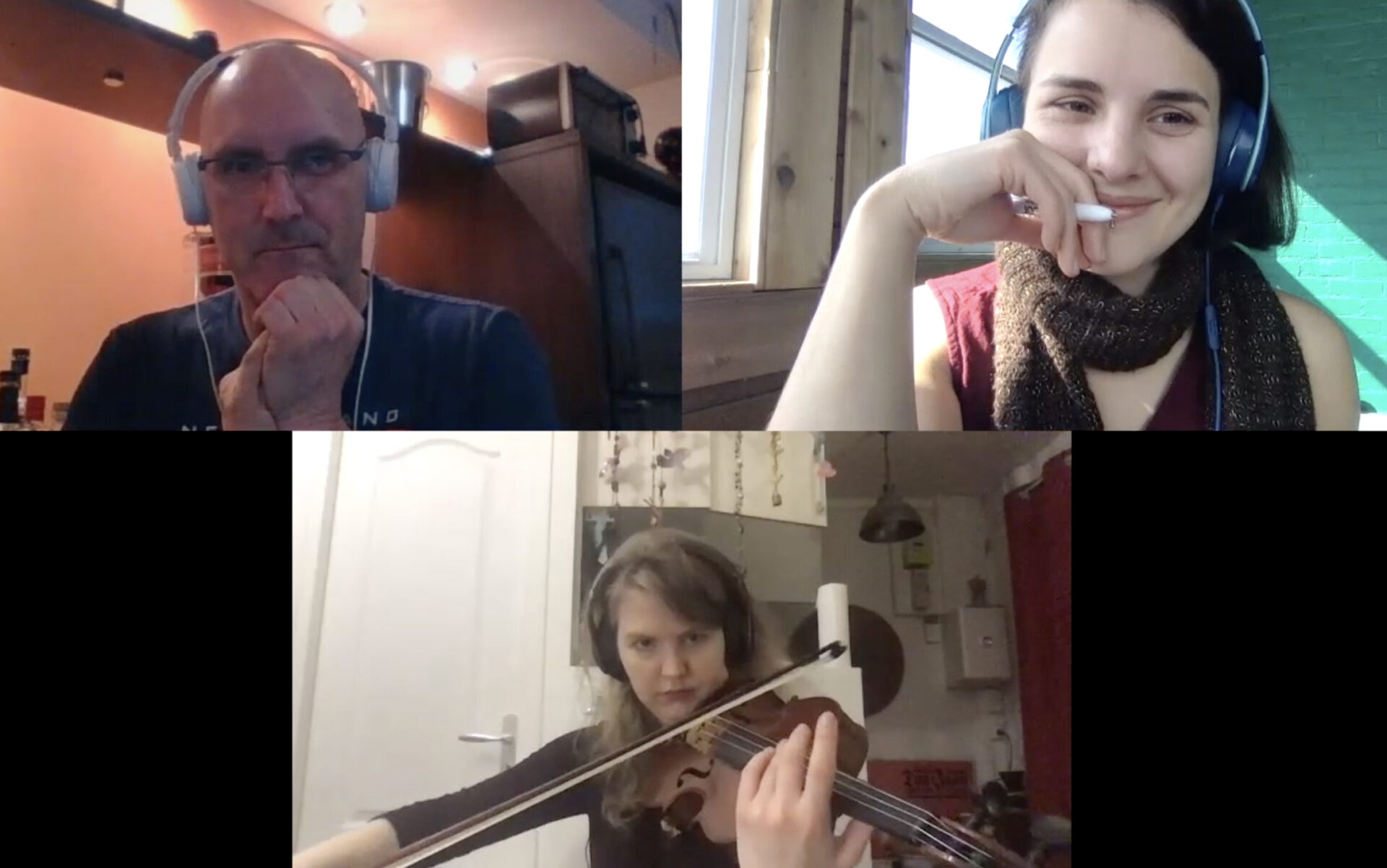
2. Serge, Car­o­line, Naila (French)
In this video, Serge, a man liv­ing with Parkinson’s dis­ease, begins by explain­ing the motor symp­toms he expe­ri­ences, and how these feel in his body. Car­o­line, a musi­cian, sug­gests an idea as to how the symp­toms Serge described could be rep­re­sent­ed on vio­lin, and impro­vis­es a short piece. Naila, who stud­ied the brain cir­cuit­ry affect­ed by Parkinson’s dis­ease, ends by draw­ing a par­al­lel between these motor symp­toms and how PD changes the com­mu­ni­ca­tion between neurons.

Trans­lat­ed quote from Serge (in group dis­cus­sion): “[…] she start­ed play­ing the vio­lin, and at first I had a lot of tremors, but her music calmed me […] I man­aged to con­trol my body.”

3. Serge, Car­o­line, Rebec­ca, Sher­i­lyn (French)
This video depicts a sec­ond round of the impro­vi­sa­tion­al activ­i­ty, in which Serge (who has Parkinson’s dis­ease) shares how the Piece of Mind project has affect­ed him emo­tion­al­ly. The musi­cian Car­o­line inter­prets his tes­ti­mo­ni­al through rhythm and voice, while Rebec­ca, dancer and researcher, accom­pa­nies her with a move­ment impro­vi­sa­tion. Sher­i­lyn, a PhD stu­dent study­ing Parkinson’s dis­ease, explains the emo­tion­al aspects of the dis­ease and the cor­re­spond­ing brain regions that are affected.

Trans­lat­ed quote from Serge (fol­low­ing an expla­na­tion from Sher­i­lyn): “You just described me as though you’ve known me for a long time.”

4. Anne, Louise, Claire, Anusha (Eng­lish)
This video depicts a sec­ond round of impro­vi­sa­tion between Anne, Louise, and Anusha, a few weeks fol­low­ing the first one (exam­ple 1). This time they are also joined by Claire, a researcher and tap dancer. In this clip, Anne, who has Parkinson’s dis­ease, con­ducts Louise’s clar­inet play­ing, using hand ges­tures to demon­strate how she is feel­ing that day. After the impro­vi­sa­tion, Anne pro­vides con­text as to how this com­pared to the pre­vi­ous session.

*Please con­tact Naila at pieceofmind.montreal@gmail.com if you’d like to know more about the project.*

Young Composer Program

Young Com­pos­er Pro­gram – Con­tem­po­rary Show­case Edmonton

The Young Com­pos­er Pro­gram orga­nized by the Con­tem­po­rary Show­case Edmon­ton Soci­ety intro­duces stu­dents ages 12 and up to com­po­si­tion and assists stu­dents to devel­op their com­po­si­tion­al techniques.

This annu­al pro­gram is held in 4 sessions:

Ses­sion #1 (Group ses­sion of 2 hours)

The composer/clinician speaks about com­po­si­tion in the first hour.  These lec­tures have includ­ed anec­do­tal infor­ma­tion about how the clin­i­cian became inter­est­ed in com­po­si­tion them­selves, how they approach start­ing a piece, where they get their ideas, etc.  These ses­sions have also includ­ed dis­cus­sions of ele­ments of new music includ­ing analy­sis of scores, pre­sen­ta­tion of non-dia­ton­ic scales, and even sound walks.

The 2nd hour, held in a piano lab, gives the stu­dents a chance to start sketch­ing ideas or doing assign­ments giv­en by their clin­i­cian with the oppor­tu­ni­ty to dis­cuss these ideas with the clin­i­cian as they begin to take shape.  Clin­i­cians have giv­en a vari­ety of start­ing assign­ments.  These include:

  • Intro­duc­ing a vari­ety of non-dia­ton­ic scales (includ­ing whole tone and octatonic)
  • Exper­i­ment­ing with 12-tone rows
  • Writ­ing a vari­a­tion on an orig­i­nal theme
  • Cre­at­ing one unit for an aleatoric box work to be per­formed collectively.
  • Cre­at­ing two dif­fer­ent tri­ads (avoid­ing the stan­dard tri­adic for­mu­la of stacked thirds) and devel­op­ing a vari­ety of ways to use the notes in dif­fer­ent reg­is­ters and groupings.
  • Cre­at­ing an over­all sketch for a piece by first map­ping out tonal char­ac­ter, dynam­ics, reg­is­ters, etc. and the approx­i­mate num­ber of bars for each section.

Ses­sion #2, 3 & 4 (Indi­vid­ual lessons for 30 min­utes each)

After a 2 week peri­od, the next 3 ses­sions are held week­ly.  Each stu­dent receives a half hour les­son with the clin­i­cian to dis­cuss how to devel­op their ideas into a full piece.  Stu­dents are encour­aged to attend oth­er stu­dents’ lessons for max­i­mum benefit.

After the 4th ses­sion, the pieces are most­ly fin­ished. Stu­dents then have 1 to 2 weeks to pol­ish their score and sub­mit it to the clin­i­cian for final comments.

Final Con­cert

A final con­cert is held about 3 weeks after the last class for the stu­dents to per­form their own compositions.

Stu­dents, espe­cial­ly at begin­ning stages, are encour­aged to do hand­writ­ten scores to gain prac­tice using their rudi­ments training.

Cre­at­ed Pieces from pre­vi­ous Young Com­pos­er Programs

Sam­ples below include Cat and Mouse (inspired by Brid­get the cat) and Evening Storm both by Jonathan Urschel – age 12; Waltz of the Wild by Ash­ley Kang – age 14; and MASS EXTINCTION! by Soin­tu Aal­to, age 16.

Jonathan’s clin­i­cian had the stu­dents exper­i­ment with 12 tone writ­ing as an exer­cise.  Jonathan’s Evening Storm was his com­plet­ed exer­cise and he chose to use 12 tone ele­ments in his main project, Cat and Mouse, also.  Jonathan did not have any pre­vi­ous writ­ing experience.

Ash­ley also had very lit­tle writ­ing expe­ri­ence and Waltz of the Wild was writ­ten in her first year of the program.

Soin­tu has been involved in the pro­gram for at least 3 years and has cho­sen to study com­po­si­tion seri­ous­ly through­out the year. The com­po­si­tion below, writ­ten dur­ing the 2020 pro­gram is the win­ner of the 2020 Louise MacPher­son Memo­r­i­al Ward. It embod­ies her rage at the num­ber of species present­ly becom­ing extinct and the silent tam-tam rep­re­sents those who stand by doing noth­ing to change the problem.

Choral Improv

Have you ever want­ed to cre­ate your own music/multimedia art­work, but couldn’t fig­ure out where to begin? While cre­ation can seem intim­i­dat­ing, it can actu­al­ly be sur­pris­ing­ly acces­si­ble, and more impor­tant­ly, FUN!

The Paramorph Col­lec­tive (Kim Far­ris-Man­ning and An-Lau­rence Hig­gins) has put togeth­er a series of five exer­cis­es to guide you through vocal and sound impro­vi­sa­tion, home­made video cre­ation and cre­ative writ­ing. You can use one or many of these exer­cis­es in order to help guide the cre­ation of your own orig­i­nal art­work. The series also con­tains one brief overview on sound and video edit­ing.

This series of exer­cis­es was orig­i­nal­ly cre­at­ed by com­posers and mul­ti­me­dia artists Kim and An-Lau­rence for a com­mis­sioned project with the vir­tu­al com­mu­ni­ty choir SING THE NORTH, lead­ing to the cre­ation of “sud­den­ly I was alone/d’un trat­to ero sola” (2021) with 49 singers from high-school age to retirees based in Cana­da, the USA, the UK, Aus­tralia and Italy. Watch the final video below.

This series of exer­cis­es is meant to be used by self-direct­ed indi­vid­u­als or groups. Exer­cise mate­r­i­al can be used by facil­i­ta­tors upon request. If you wish to col­lab­o­rate with Kim and An-Lau­rence, or hope to orga­nize a sim­i­lar project as a facil­i­ta­tor, please get in touch at kfm.alh@gmail.com.

Remem­ber that the true val­ue of impro­vi­sa­tion lies in the process, not in the end result.

✧・゚EXERCISES ・゚✧

Links to all audio exam­ples are list­ed at the bot­tom of this page. You will find pdfs of each exer­cise in the score sec­tion below.

Exer­cise 1: Drone, Mag­net Tone | Vocal impro­vi­sa­tion

Ex.1: Cre­ate a drone online!

Exer­cise 2: Sound Tex­tures | Instru­ment- or object-based improvisation

Exer­cise 3: Har­mo­ny | Vocal impro­vi­sa­tion

Exer­cise 4: Video | Record­ing a home-made video

Ex.4a: Cam­era frames and angles!

Ex.4b: Cam­era movements!

Exer­cise 5: Spo­ken Word | Cre­ative writ­ing and spo­ken words

Ex.5: Spo­ken word example!

Sound and Video Edit­ing: Overview

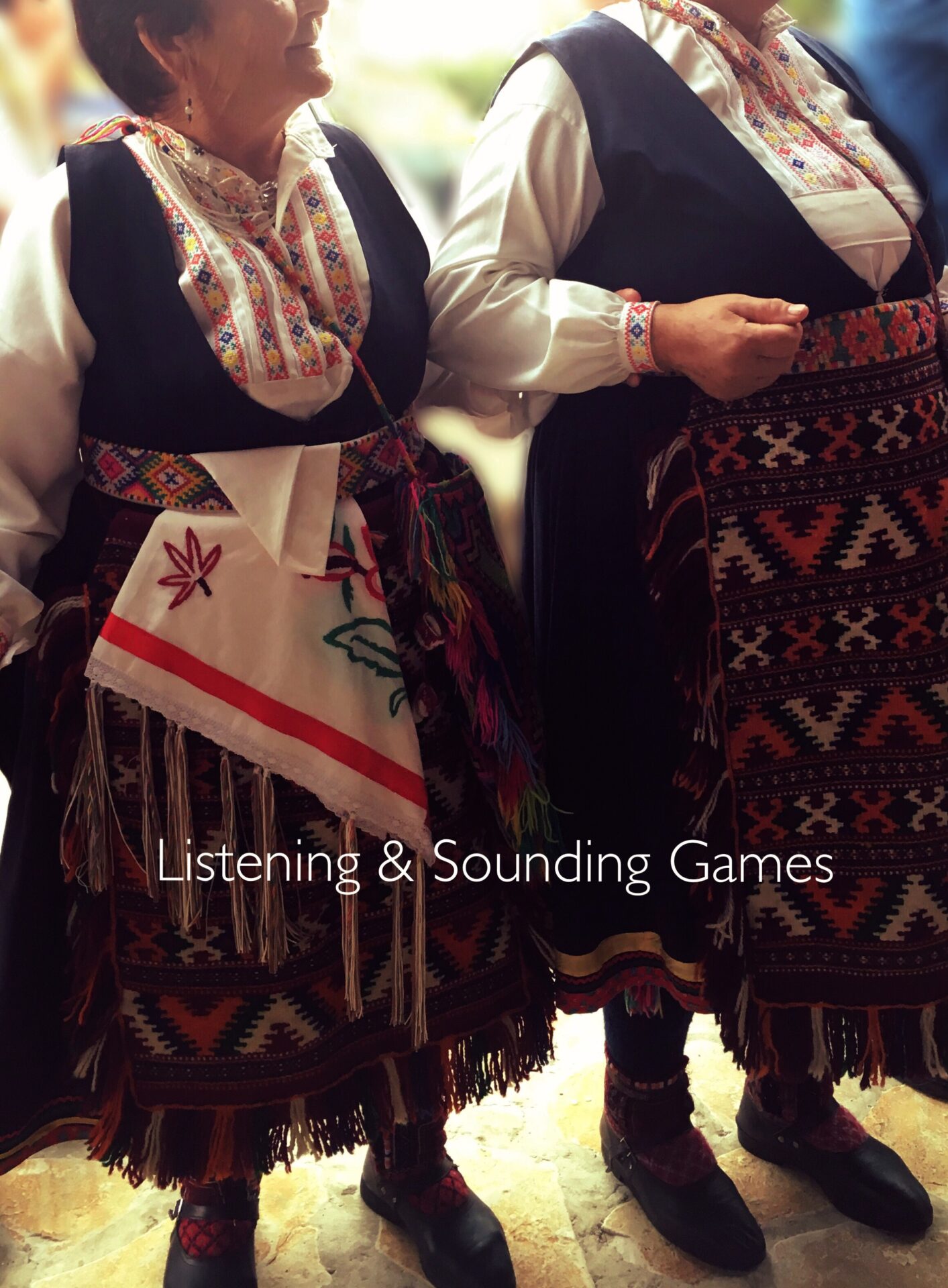
Listening & Sounding Games

These Lis­ten­ing & Sound­ing Games are fun and easy games for two or more peo­ple and will active­ly engage par­tic­i­pants in a process of deep­er lis­ten­ing and play­ful sound­ing with the voice.

They are inspired by and adapt­ed from the­atre games, vocal improv exer­cis­es and my work in tra­di­tion­al Balkan singing. Like many folk singing tra­di­tions from around the world, tra­di­tion­al Balkan folk singing is an oral tra­di­tion; the songs, their sto­ries and the ways in which they are sung were passed down from one gen­er­a­tion to the next, learned much in the same way that one first learns to speak: by lis­ten­ing, imi­tat­ing and repeat­ing.

I dis­cov­ered that these three ele­ments were essen­tial to the devel­op­ment of musi­cal­i­ty and pres­ence in my singers and so it is I began imple­ment­ing these games, draw­ing from three forms of singing found in many oral singing tra­di­tions: uni­son singing, the drone, and call-and-response.

These games be used in any set­ting – from the class­room, to the com­mu­ni­ty cen­tre, to the choir rehearsal. I have most­ly used them as warm-ups, but they can eas­i­ly be used as stand-alone exer­cis­es, incor­po­rat­ed into pri­ma­ry or sec­ondary school les­son plans, or even used as spring­boards to new pos­si­bil­i­ties for inter­pre­ta­tion, impro­vi­sa­tion and performance.

The games are an excel­lent tool to get non-singers to sound, but they are also very effec­tive for expe­ri­enced singers who might oth­er­wise be more accus­tomed to singing from notat­ed music or lyric sheets, to go beyond the page and into their sens­ing bod­ies result­ing in a more deeply felt and embod­ied sound­ing that can be car­ried over into their oth­er music-makings.

Out­comes:

  • deep­er listening
  • whole-body par­tic­i­pa­tion
  • height­ened senses
  • increased aware­ness
  • ease, con­fi­dence and joy in sound­ing with the voice
  • increased musi­cal­i­ty and presence
  • deep­ened rela­tion­ships amongst group members
  • a greater sense of con­nec­tion and ensemble

You’ll find down­load­able colour­ing-page instruc­tions to each game below.
Print them out, colour them, and share them with your groups!

UNISON
This game real­ly gets peo­ple lis­ten­ing – beyond the ears. Encour­age par­tic­i­pants to use their eyes to see, their ears to hear, and their bod­ies to feel.

CALL AND RESPONSE
This game encour­ages peo­ple to lis­ten, imi­tate, explore the voice and gain con­fi­dence in their singing. By incor­po­rat­ing ges­ture, this game is very play­ful and fun for young and old alike. Vari­a­tion: Use it as an ice-break­er! Have indi­vid­u­als sing their name with an accom­pa­ny­ing ges­ture, which the group sing and ges­ture back! Up for a chal­lenge: Have one indi­vid­ual sing the call, and anoth­er sing a dif­fer­ent response. This game can eas­i­ly turn into an impro­vised song!

SOUND WHEEL
No time to think! This game will get peo­ple out their heads and into their bodies.

HUM
There are so many pos­si­bil­i­ties with this game! Some ideas: incor­po­rate it into a per­for­mance; give direc­tions for dif­fer­ent tem­pi or dynam­ics in the walking/sounding; have par­tic­i­pants walk silent­ly and hum when still; try it with­out walk­ing, sit­ting with eyes closed…

DRONE DUET
This game is great to begin work on tim­bre, into­na­tion, and lis­ten­ing and sound­ing with the whole body,

MIRROR
This the­atre game lends itself well to sound­ing with the voice. Devel­ops lis­ten­ing, pres­ence, whole-body aware­ness and a sense of con­nec­tion. Vari­a­tion: Instead of fac­ing one anoth­er, try it with two singers seat­ed with backs togeth­er touch­ing. Begin by breath­ing togeth­er. Turn the breath into voiced sighs then into sounding.

Across the Lines

A com­mu­ni­ty-based col­lab­o­ra­tion fea­tur­ing orig­i­nal local music paired with the sto­ries and sounds of seniors resid­ing in an assist­ed liv­ing centre

Over the course of mul­ti­ple work­shops, get to know par­tic­i­pants so a bond can be formed and par­tic­i­pants will feel open to shar­ing. Dur­ing the workshops:

  1. Using a hand held dig­i­tal recorder, record and cat­a­logue sound as much as pos­si­ble, which will allow for many ran­dom moments that may sur­pris­ing­ly lead to song titles, or themes. Cap­ture sounds unique to the indi­vid­u­als engaged. These sounds can be looped or pitched and used to make beats or rhythms spe­cif­ic to the locale, and be used to teach that ordi­nary sounds can be musical.

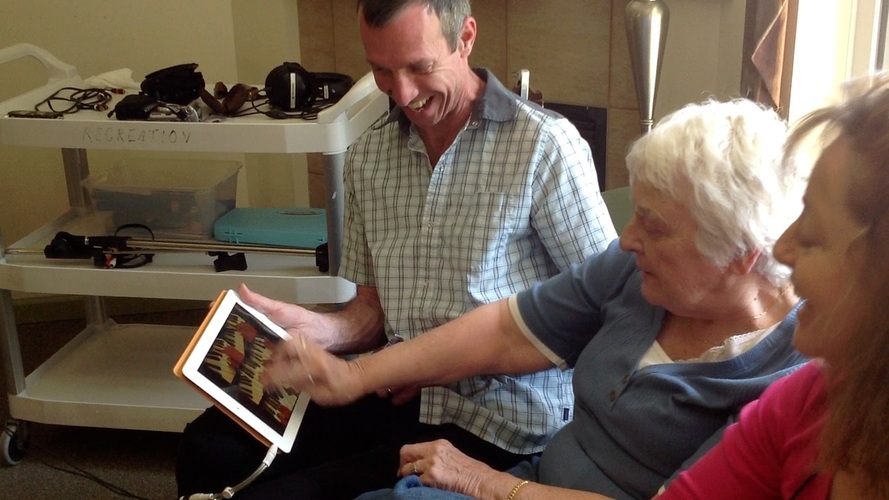
  2. Let par­tic­i­pants try instru­ments and/or music apps on devices. See Sheila and Steve sit down to cre­ate ‘Hope’ as an exam­ple of intro­duc­ing some­one to an instru­ment for the first time. For try­ing music apps, see Ger­maine steps up to the iPad for the first time. Tell par­tic­i­pants there is “no wrong way” to touch the screen and make a sound, and that often­times being naive is an advan­tage because they will do some­thing new. Put them at ease by casu­al­ly try­ing it in front of them and show­ing them that it’s easy to do. Record these to use as seg­ways, intros, or full tracks.

  3. Dur­ing the record­ing of voic­es for work­shops, encour­age con­ver­sa­tions on themes. This will give a sense of play to the project and process and bring mean­ing to par­tic­i­pants. Some exam­ples include: “Where were you born?” “Have you ever had a nick­name?” What was your favourite toy as a child?” “What’s your biggest fear?”

  4. Be open and present to rec­og­nize a mag­ic moment – be it group laugh­ter or a seri­ous sto­ry, and use that to anchor the song/piece.

  5. Gath­er musi­cians to play a score that has been cre­at­ed (a num­ber of short instru­men­tals or songs) or impro­vise music and edit pieces or moments into short clips of music (2–5 mins) that will fit well with the length of a short sto­ry. Use orig­i­nal record­ings from par­tic­i­pant engage­ment with apps in work­shops to include as back­drop pieces of music. Exper­i­ment with dif­fer­ent com­bi­na­tions of instru­ments: drums and voice, gui­tar and bass, full band, etc. Use the “keep­ing turn­ing left” mod­el of doing some­thing oppo­site of what was just impro­vised: change keys, change tem­po, change instruments.

  6. Lis­ten to the record­ings of the sto­ries and choose which musi­cal piece would fit well, based on theme, lan­guage, mood, and length, or ran­dom­ly com­bine work­shop record­ings with music.

  7. Edit the sto­ries if nec­es­sary, cre­at­ing space between words, and treat the mate­r­i­al as son­ic or musi­cal moments, or leave the cho­sen sto­ry in it’s orig­i­nal state and let the music and sto­ry be inde­pen­dent of each oth­er, all the while being combined.

  8. A strong idea to cre­ate mean­ing and flow is to edit a word or sec­tion and repeat it as you would a cho­rus of a song. Many times you will find sen­tences that have their own rhythm work well when com­bined with music of a dif­fer­ent tem­po and/or rhythm.

Sound Stories from the Land

Sound Sto­ries from the Land

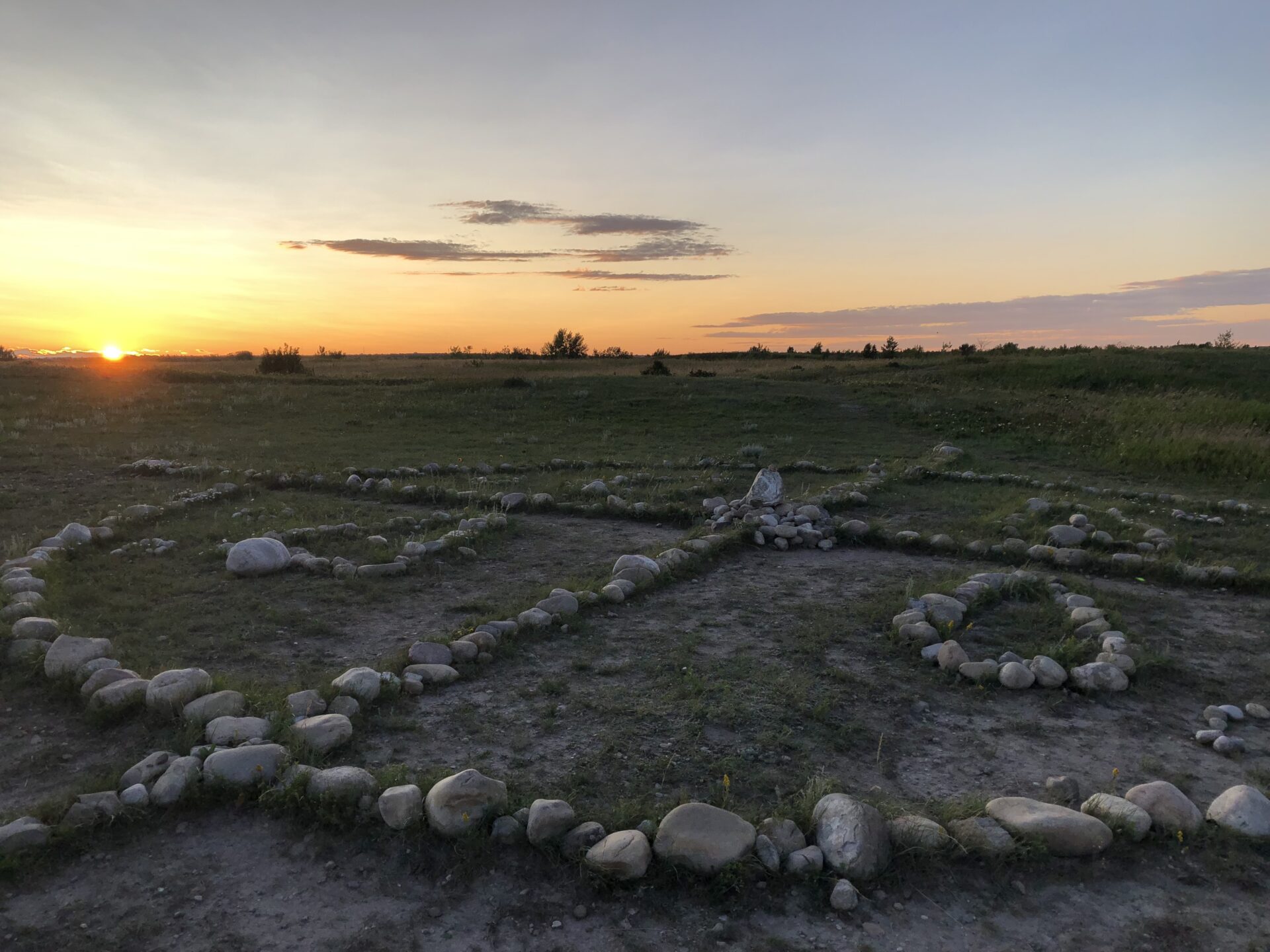
okâwîmâw askiy is Moth­er Earth (nêhiyawêwin/Plains Cree lan­guage), always pro­vid­ing for us in ways beyond our wildest imag­i­na­tions. This work­shop pro­vides an open­ing for us to strength­en our con­nec­tion to earth while acti­vat­ing our voic­es and bod­ies through sound and movement.

As we move through prompts based on teach­ings from the med­i­cine wheel, we deep­en our pres­ence with our four bod­ies (men­tal, phys­i­cal, emo­tion­al, spir­i­tu­al) and the four ele­ments (earth, fire, wind, water) and we acti­vate our sens­es. We work in a cir­cle, whether actu­al or per­ceived, in an on-going acknowl­edge­ment of our rela­tion­ship to the many earth and sky rel­a­tives that are beyond our two-legged (human) realm.

Look­ing at concepts:

med­i­cine wheel: in an nêhiyaw/Plains Cree per­spec­tive we all have four bod­ies; phys­i­cal, men­tal, emo­tion­al, spir­i­tu­al. When we con­sid­er all four bod­ies in the way we vocal­ize and respond to the world with­in and around us, we can find bal­ance through sound. We also acknowl­edge the four ele­ments and the four direc­tions as inte­gral aspects of this balancing.

miskâ­sowin: find­ing one’s sense of belong­ing, locat­ing one­self with­in the cir­cle (of life). We con­tin­u­al­ly work in rela­tion­ship to one anoth­er where all voic­es matter.

wâhkôh­towin: kin­ships beyond our imme­di­ate fam­i­ly; an acknowl­edg­ment of all of earth’s cre­ation as mem­bers of our extend­ed fam­i­ly, as relatives.

nikamotan: let us sing togeth­er as cre­ative med­i­cine to help us grow and strength­en our capac­i­ties for lis­ten­ing, mir­ror­ing and liv­ing a good life together.

nanâsko­mowin: grat­i­tude. We give thanks through music and singing. In a sim­ple way, we say “hay hay” as a way of acknowl­edg­ing all the rela­tion­ships that uplift, inspire and help us grow.

What place or land­scape is home for you? How do you acknowl­edge your body as home?

1. Com­ing home through breath:

Fol­low­ing a sim­ple count in a cir­cu­lar pat­tern, we explore the cycles of birth, growth, death and release. We inhale and take in the air around us, this air ignites the fire inside, warm­ing us and fill­ing our bod­ies with ener­gy. We hold this air inside in awe, feel­ing into where space is being made with new breath. We release this air and we calm the waters in our bel­lies. We feel the empti­ness of release. We repeat. Each time we cycle through breath, we engage with dif­fer­ent images, think­ing about the ele­ments, the cycles of life, of sun­rise and sun­set. We use our body as a map to con­nect with land­scapes and remem­ber that our body is our ter­ri­to­ry. Once you are fin­ished cycling through this breath­ing exer­cise a few times, take a minute to sit qui­et­ly and notice if there are sub­tle changes in your inner world. Then ask, what has shift­ed in your per­cep­tion of your rela­tion­ship to the world around you?


2. CALL + RESPONSE. Lis­ten, Rec­i­p­ro­cate, Respond:

What sounds, sights, smells, feel­ings, tastes inspire you to sing and to call into exis­tence the sounds alive inside and around you? We explore how our voic­es blend, echo and mir­ror the world around us and invite new sounds and lan­guages for con­nec­tion. You can work with images, sounds from nature and oth­er found objects or mem­o­ries to cre­ate the acti­va­tion for call and response.

3. GRATITUDE song:

Through song we give thanks to all the beings, peo­ple, places and gifts that sup­port our exis­tence. Look­ing around and with­in you, we sing out, name and cel­e­brate these gifts together.


Language of Emotion In Music

What does it mean to “Know Music”?

The impor­tant thing, as one can­not repeat too often, if that the child should learn to feel music, to absorb it, to give his whole body and soul to it; to lis­ten to it not mere­ly with his ear but with his whole being. ~ Emile Jaques Dalcroze

Goals:

  • Embod­ied under­stand­ing and engage­ment 
  • To encour­age “know­ing-in-action”.
  • To accept and nur­ture move­ment impuls­es and emo­tion­al reac­tions to music.
  • To engage with the sens­ing, feel­ing, expe­ri­enc­ing body through musi­cal sounds and activities.
  • To cul­ti­vate per­for­mance, lis­ten­ing, reflec­tion and creation.
  • To exam­ine the body as a con­scious and explic­it mode of transformation.
  • To invite the wealth of infor­ma­tion and knowl­edge that the sen­su­al body holds and invite it into the edu­ca­tion­al musi­cal expe­ri­ence. 
  • To active­ly engage in imag­i­na­tive, music cre­ation at all ages and levels.
  • To devel­op musi­cal poten­tial through infor­mal guid­ance that con­nects the lis­ten­ing expe­ri­ence with sound exploration.
  • To cre­ate a lis­ten­ing and respon­sive musi­cal community.

By uti­liz­ing the mood meter, par­tic­i­pants explore their inner emo­tion­al world and how that emo­tion­al world can be explained in terms of pleas­ant and unpleas­ant feel­ings and high­er or low­er ener­gy.

These con­cepts are explored using the lan­guage of emo­tion.  By tun­ing into this emo­tion­al expe­ri­ence, doc­u­ment­ing it, and then relat­ing it to music, par­tic­i­pants can explore their own sound art poten­tial. 

Any instru­ments can be used, includ­ing found objects, the voice and/or body per­cus­sion. The music ensem­ble of any size and/or instru­men­ta­tion is the framework.

The music cre­at­ed will reflect the four colours found on the mood meter (see attached photo).

Par­tic­i­pants will cre­ate an impro­vised work – a col­lec­tion of 4 pieces. 

The facil­i­ta­tors par­tic­i­pate as much or as lit­tle as nec­es­sary, based on the stu­dents brain­storm­ing and impro­vi­sa­tions. 

The final per­for­mance con­sists of the stu­dents using the lan­guage of emo­tion and col­or to cre­ate an impro­vised musi­cal work.

Step by Step Instructions:

  • Look at the Mood Meter and explain how it works.
  • Divide the group up into 4 ensembles.
  • Using large pieces of paper and coloured mark­ers, have each group brain­storm “feel­ing words” around the 4 colours on the mood meter:
    1. Blue: low ener­gy, unpleasant
    2. Green: low ener­gy, pleasant
    3. Yel­low: high ener­gy, pleasant
    4. Red: high ener­gy, unpleasant
  • Once the group has brain­stormed lan­guage of emo­tions, they can explore “impro­vis­ing emo­tions” on their instru­ments. 
  • The group cre­ates a suite of 4 impro­vised pieces based on the four colours dis­played on the mood meter.

Exten­sions:

  • Brain­storm con­trast­ing musi­cal terms that coin­cide with emo­tions and cor­re­spond­ing musi­cal respons­es (ex. stac­ca­to, lega­to, forte, piano, dis­so­nance, con­so­nance, tim­bre, etc.)
  • Use pho­tog­ra­phy, video or visu­al art found through online research to mir­ror the emo­tion as a way to fur­ther enhance the sen­su­al explo­ration. 
  • The visu­al art work or poet­ic respons­es could be cre­at­ed by the students.
  • Lis­ten to instru­men­tal music from a vari­ety of styles and have the stu­dents iden­ti­fy the “colours” or “moods.” The stu­dents can think in terms of high or low vibra­tion, pleas­ant or unpleas­ant feel­ings, and the lan­guage of emo­tion. 
  • Use music nota­tion, lead sheet con­struc­tion and/or graph­ic scores to doc­u­ment the composition.

My Per­son­al Reflection: 

I first taught this unit when I was the artist-in-res­i­dence at my son’s Reg­gio Emil­ia based ele­men­tary school in Coquit­lam, B.C.

As a school, they were respond­ing to the Mood Meter as a dai­ly check in. Over the weeks, I watched my son learn about how to describe his mood. His vocab­u­lary expand­ed and he became very com­fort­able artic­u­lat­ing his feel­ings at a very young age. I was excit­ed to see this work hap­pen­ing with young chil­dren and I quick­ly real­ized that this vocab­u­lary was a won­der­ful gate­way into aes­thet­ics in music. I  looked to devel­op a musi­cal activ­i­ty that would draw from the socio-emo­tion­al learn­ing that was already hap­pen­ing in the class­room . 

Music is the lan­guage of emo­tion and when young chil­dren devel­op the lan­guage to describe their inner worlds, they also devel­op the lan­guage to describe music and then, in turn, cre­ate musi­cal work in response to those con­cepts. 

Over the years I have used this activ­i­ty with groups of all ages and abil­i­ties.  I am always amazed at the unique ways the par­tic­i­pants were able to engage with the mood meter, relate their find­ings to describ­ing record­ed music and then cre­ate beau­ti­ful, impro­vised music com­po­si­tions. 

Coronation Sound Bites

Lis­ten­ing Games for Reduc­ing Noise Lev­els in a School Cafeteria

Pic­ture a large room: con­crete floor, low tile ceil­ing, bare plas­ter walls, tables lined with stools, a wall of indus­tri­al fridges and an attached com­mer­cial kitchen. Imag­ine the accom­pa­ny­ing sounds: hums, buzzes and the metal­lic clanks of a busy kitchen. Now imag­ine the same room filled with 100 or so kids eat­ing lunch, antic­i­pat­ing going out­side to play. The enthu­si­asm and effi­cien­cy of this room are laud­able; the sound lev­els impres­sive. I had the plea­sure of being an Artist in Res­i­dence for Sound Bites, a School Hosts an Artist project aimed at reduc­ing the noise lev­el in this room, Coro­na­tion Ele­men­tary School’s cafeteria.

A school cafe­te­ria is sim­i­lar to a restau­rant or a bar – there are a lot of peo­ple in an enclosed space, usu­al­ly with a fair amount of back­ground music and/or noise. Peo­ple talk loud­ly so they can be heard by their friends, which means oth­er peo­ple talk loud­er in turn. In brain­storm­ing with sci­ence teacher and visu­al artist Shelly Sharp, we came up with the fol­low­ing focus questions:

“How does sound affect our well-being? What can we do as artists, stu­dents and adults to under­stand and pos­i­tive­ly impact sound qual­i­ty and vol­ume in the Coro­na­tion Ele­men­tary lunchroom?”

In order to have an effect on noise lev­els in any space, you start by lis­ten­ing. So if the project Sound Bites aims to reduce the noise lev­els in the Coro­na­tion Ele­men­tary School cafe­te­ria, we need­ed to make lis­ten­ing fun and engag­ing for the stu­dents. The fol­low­ing games aimed to do just that.

Ready… set… listen!

Sound Trea­sure Hunt

  1. Before play­ing the sound trea­sure hunt, ask stu­dents to name any sound they hear (e.g. a sneeze, a car horn honk­ing, shuf­fling feet).
  2. Ask stu­dents to iden­ti­fy a sound they hear fre­quent­ly in this room, and not say it out loud. Pick one stu­dent to ‘play’ the sound while every­one else cov­ers their eyes (e.g. eras­er on white­board, chair scrap­ing, per­cus­sion mal­lets clack­ing against each oth­er). Ask for vol­un­teers to guess what the sound was.
  3. Ready… set… lis­ten: Over a two-minute peri­od, sit qui­et­ly and lis­ten. Then, ask stu­dents to write or draw the sounds they heard. If they have trou­ble remem­ber­ing what they heard pre­vi­ous­ly (I do!), they can write or draw any sounds they are cur­rent­ly hear­ing. Ask vol­un­teers to read their list or describe what they heard. Notice the sim­i­lar­i­ties and dif­fer­ences in what stu­dents hear.

Tips:

  • Use a visu­al aid to show where you are in the two min­utes peri­od to avoid the inevitable ques­tion ‘how much longer?’
  • Adapt the length of time to your group. I pre­fer sev­er­al lis­ten­ing peri­ods of short­er time frames so the trea­sure hunt is dif­fer­ent every time. Giv­en how much how quick­ly sound changes in an ele­men­tary school, one two-minute trea­sure hunt could fea­ture the jan­i­tor walk­ing down the hall­way with a trol­ley, greet­ing a few kids, while the next might be about the sounds of the heat­ing sys­tem start­ing (reluc­tant­ly), and the next bas­ket­ball prac­tice in the gym down the hallway.
  • Brain­storm a num­ber of dis­tinct acoustic envi­ron­ments to lis­ten to that are with­in easy walk­ing dis­tance. Repeat the trea­sure hunt in each loca­tion, writ­ing and draw­ing the sounds of each. Dis­cuss, com­par­ing locations.

For Sound Bites, we chose to lis­ten to a stair­well, the library, and two dif­fer­ent loca­tions in the cafeteria.

The kids floored me with their enthu­si­asm and acute ears. As you can see in the images below, their respons­es are amaz­ing, com­plex and var­ied, and say as much about each indi­vid­ual as it does about their school.

Finding Folk for Music

Find­ing Folk for Music is a way to share con­cepts and strate­gies for a kind of exper­i­men­tal folk music. The series engages peo­ple in hands-on cre­ation regard­less of anyone’s lev­el of pre­vi­ous musi­cal expe­ri­ence. Work­shops pro­vide an oppor­tu­ni­ty for impro­vi­sa­tion, explo­ration, sound mak­ing, and audio record­ing in response to the envi­ron­ment. They are a chance to prac­tice deep lis­ten­ing, a phi­los­o­phy and approach to music and sound devel­oped by com­pos­er Pauline Oliv­eros. Deep lis­ten­ing helps us under­stand and per­ceive our­selves in the world, and whether through envi­ron­men­tal, social, or polit­i­cal impacts, our sound­scape is always in a state of change. Doc­u­ment­ing sound is an impor­tant aspect of Find­ing Folk for Music. The work­shop and per­for­mance record­ings are like tran­scrip­tions of the acoustic spaces and the par­tic­i­pants’ musi­cal engage­ment. The record­ings have archival and doc­u­men­ta­tion val­ue, and I find them pleas­ant to lis­ten to. Through these work­shops I am find­ing new strate­gies to bring peo­ple togeth­er to make exper­i­men­tal music, and in this way, the series is an exten­sion of my com­po­si­tion and sound art practice.

In Octo­ber of 2019 I was invit­ed to present Find­ing Folk for Music at the Sounds Like Fes­ti­val in Saska­toon. The two-hour ses­sion involved eight peo­ple and explored tran­scrip­tion and com­po­si­tion strate­gies with a vari­able set of instru­ments. The sam­ple work­shop strat­e­gy found below this text was used for one of the activities.

It is inter­est­ing to hear the dif­fer­ent results from the two groups who were fol­low­ing the same set of instruc­tions and lis­ten­ing to the same loop­ing audio sam­ple, and to note how quick­ly the par­tic­i­pants found a shared musi­cal­i­ty in their playing.

One year ear­li­er in Read­ing, UK, I had an oppor­tu­ni­ty to present a longer-form ver­sion of Find­ing Folk for Music, as a four-day work­shop with an ad hoc ensem­ble lead­ing to pub­lic performance.

Over the four days, our group explored field record­ing, tran­scrip­tion, and impro­vi­sa­tion, with the goal of mak­ing music that com­pli­ment­ed and respond­ed to the envi­ron­ment. We went into wood­ed areas near cam­pus and lis­tened to the trees, city nois­es, and Heathrow air traf­fic above us. With an array of micro­phones and instru­ments in our hands, we set up in iso­lat­ed as well as busy pub­lic spaces, mak­ing music that tran­scribed and com­pli­ment­ed the sound­scape. In the qui­etest places, we found a world of sound already present, and for the per­for­mance at the muse­um, the large audi­ence and their chat­ter, clink­ing glass­es, and shuf­fling feet became anoth­er sound­scape to which we respond­ed. Through­out the process, we asked our­selves the ques­tions: Is there already enough to lis­ten to? Why am I adding anoth­er sound? When I do, how can it be already part of the sound­scape or how can it stand out through inten­tion, rep­e­ti­tion, or expression? 

On the first day of the work­shop, par­tic­i­pants bor­rowed portable record­ing units and set out to mon­i­tor and record the most qui­et places they could find on campus.

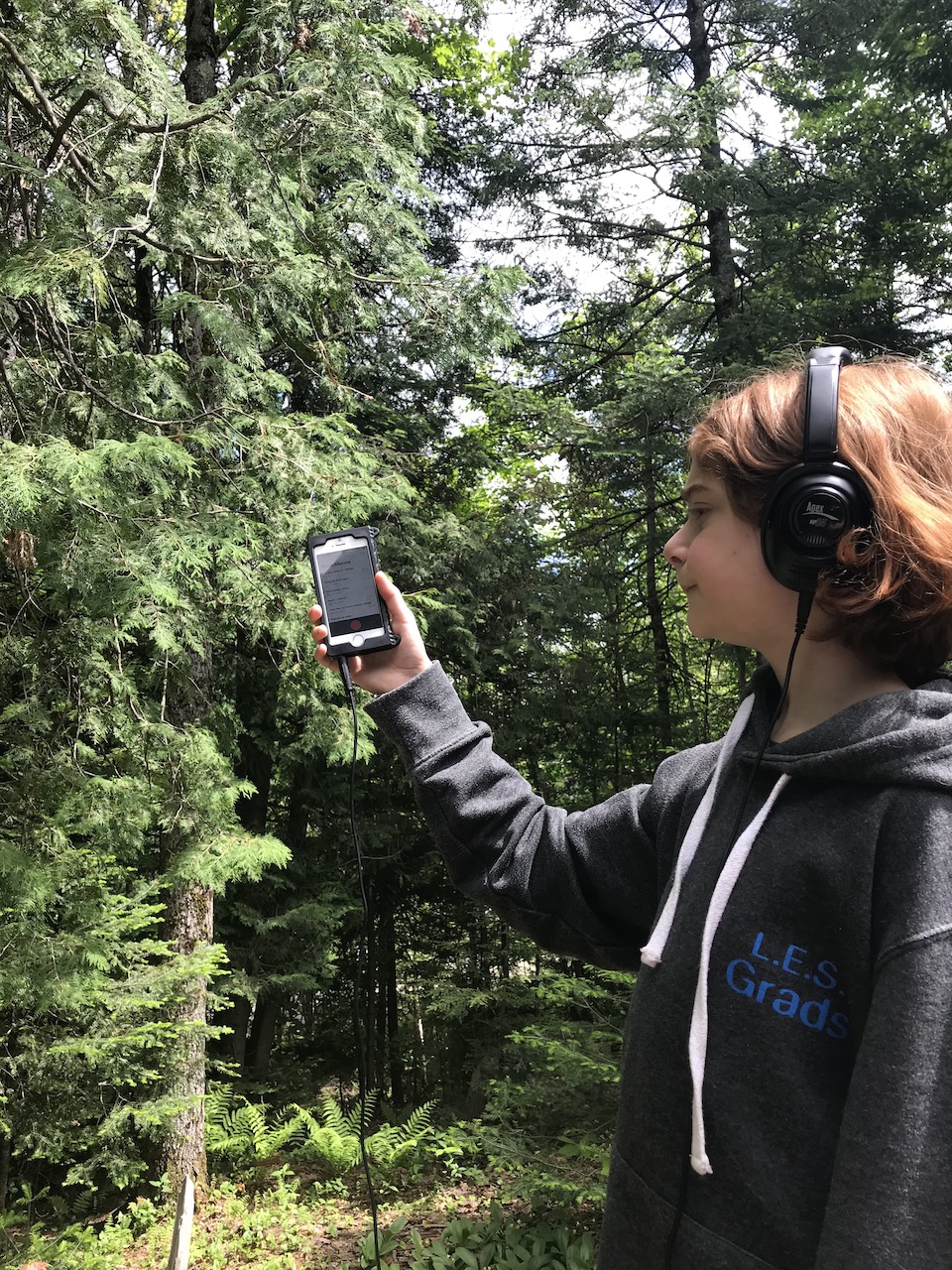
As a strat­e­gy to encour­age deep lis­ten­ing, the field record­ing exer­cise con­tributed to the cre­ative process. When mak­ing field record­ings, par­tic­i­pants wore head­phones and expe­ri­enced the sound­scape in a close-up and immer­sive way, hear­ing the small­est details and encoun­ter­ing the back­ground noise in even the qui­etest places. This aware­ness of the sound­scape informed the group’s abil­i­ty to impro­vise togeth­er, and parts of the field record­ings were inte­grat­ed into the performance.

Our per­for­mance was well-received, with hun­dreds of peo­ple stand­ing, sit­ting, and walk­ing through the muse­um to lis­ten. Audi­ence mem­bers com­ment­ed on the focused and immer­sive qual­i­ty of the music we played, and after­wards group mem­bers were inter­viewed about their expe­ri­ence in the workshop:

“The sound is sup­posed to react to the envi­ron­ment but not over­pow­er it. We also record­ed some silence and played along with those record­ings. It feels very calm in our cor­ner; the exhi­bi­tion is very hec­tic otherwise.”

“I learned about sound com­po­si­tion, how to use instru­ments in dif­fer­ent ways, cre­at­ing sounds with record­ings from nature.”

“We were work­ing with sounds, with dif­fer­ent ways to record sound, to doc­u­ment it. It was a group project, four of us and Jeff as well. We were all there, work­ing togeth­er dur­ing the work­shops, mak­ing indi­vid­ual record­ings, and putting it all together.”

Fol­low­ing the work­shop and per­for­mance in Read­ing, I had an oppor­tu­ni­ty to present a stand-alone ver­sion of the field record­ing exer­cise in Win­nipeg, on a very cold day in March in the office space of Cre­ative Manitoba.

Par­tic­i­pants were giv­en a set of instruc­tions dur­ing a short 20-minute session: 

(1) Bor­row a sound recorder and toy xylo­phone; (2) as a soli­tary activ­i­ty, move through the build­ing to find a silent or near-silent space; (3) record the sound­scape; (4) speak qui­et­ly and describe where you are and what you hear; (5) make sounds with the xylo­phone; (6) after a few min­utes, stop and return.

This exer­cise invit­ed par­tic­i­pants to lis­ten to the acoustic envi­ron­ment, and to hear them­selves and their actions in rela­tion to the sound that was already there. The hall­ways and stair­wells were filled with ambi­ent office back­ground noise, with machines hum­ming and the sound of icy wind out­side. The xylo­phones inter­ject­ed a play­ful ele­ment and a kind of sound impulse that acousti­cal­ly mapped the spaces through echo and reverberation.

Lat­er the same year, I had a chance to present Find­ing Folk for Music at the Regi­na Pub­lic Library. As in ear­li­er pre­sen­ta­tions, the work­shop includ­ed field record­ing exer­cis­es, group impro­vi­sa­tion, and deep lis­ten­ing. We found sounds in and around the build­ing, and we used these record­ings as bed tracks and as a kind of acoustic score. Play­ing in the open area of the library beside a rum­bling esca­la­tor and with sounds of peo­ple all around us, we respond­ed to the sound­scape, imi­tat­ing what we heard, mix­ing back­ground and foreground.

Through all of the pre­sen­ta­tions of Find­ing Folk for Music, the series has grown and has been adapt­ed for dif­fer­ent con­texts. I have learned more about ways that deep lis­ten­ing, cre­ative music mak­ing, impro­vi­sa­tion, and com­po­si­tion can be engaged with by peo­ple with any lev­el of musi­cal train­ing or expe­ri­ence. Results vary, and while I am moved by all the music we have made, appre­ci­at­ing this is a mat­ter of taste.  The process, how­ev­er, is most impor­tant, and the strate­gies I am work­ing with play­ful­ly reveal musi­cal rela­tion­ships, artis­tic choic­es, and col­lec­tive efforts by peo­ple in the cre­ation of a work of art. For me that’s the point of Find­ing Folk for Music.

* * *

Jeff Mor­ton is a com­pos­er, musi­cian, and media artist based in rur­al south­east Saskatchewan.

Catalyst Music: A music improv video series

Cat­a­lyst is an online, music impro­vi­sa­tion learn­ing expe­ri­ence. Along with three instruc­tion­al videos, this guide will out­line some of the key com­po­nents of musi­cal impro­vi­sa­tion. This video series draws from the Cre­ative Abil­i­ty  Devel­op­ment method and music ped­a­gogy cre­at­ed by Alice Kanack.

Along with three inter­ac­tive videos, this accom­pa­ny­ing video guide can be used by indi­vid­u­als or small groups of a wide age range and musi­cal ability.

These instruc­tion­al videos are designed to work in con­junc­tion with an educator/workshop facil­i­ta­tor as a sup­port­ing activ­i­ty, or stand alone for indi­vid­ual use.

What is Cre­ative Abil­i­ty Development?

Cre­ative Abil­i­ty Devel­op­ment (CAD) is a method cre­at­ed by Alice Kanack where stu­dents use musi­cal impro­vi­sa­tion as a mean to devel­op the cre­ative side of the brain. The main goal of CAD is to teach unique self expres­sion or musi­cal­i­ty.  When stu­dents engage in impro­vi­sa­tion, there are three rules or inten­tions we abide by:

1. There Is No Such Thing As A Mistake

”Cre­ativ­i­ty Is About Mak­ing Choices”

Our first, and per­haps our most impor­tant rule, helps stu­dents to free them­selves into embrac­ing their own cre­ativ­i­ty in choos­ing sounds. Com­pos­ing is mak­ing deci­sions with sound; impro­vi­sa­tion is mak­ing those deci­sions in real time and exe­cut­ing them in the moment. Allow­ing our­selves to freely make musi­cal deci­sions with­out wor­ry­ing if they are right or wrong leads us on a jour­ney to craft­ing a musi­cal lan­guage that res­onates with who we are.

2. Silence and Applause

Prac­tic­ing Respect and Communication

Silence: Some­one once told me that grow­ing in our craft as musi­cians is cen­tred around the art of lis­ten­ing.  By active­ly lis­ten­ing to the music being cre­at­ed around us we are grow­ing in our musi­cal under­stand­ing and aptitude.

Applause:  When we hear some­one call out “Bra­vo! or Bra­va!” after a mag­nif­i­cent per­for­mance, it was not orig­i­nal­ly used to just cel­e­brate vir­tu­os­i­ty. When the word was first used in ancient Greece, it was used to rec­og­nize the brav­ery of a per­former.  When we applause, it may not always take place in the lit­er­al sense, but through our expres­sions, minds and our hearts we hon­our the musi­cal expe­ri­ence we are hearing.

3. Nev­er Crit­i­cize A Friend

”Because there is no such thing as a mistake”

Judg­ing a mas­ter­piece before it is com­plet­ed is a sil­ly idea–improvisation is a life-long jour­ney! ​When we engage in impro­vi­sa­tion we are tak­ing part in a revolv­ing feed­back loop:We make a deci­sion and cre­ate a sound.  We hear the sound, make anoth­er deci­sion, and the process con­tin­ues… To show respect for each other’s cre­ative jour­ney and process, we refrain from judg­ing some­one else’s musi­cal choic­es. This keeps the feed­back loop clear, and fos­ters an encour­ag­ing sup­port­ive com­mu­ni­ty for every­one to explore their cre­ative voices.

Impro­vis­ing and cre­at­ing sound­scapes with a loop pedal

Loop Ped­al Devices & Apps:

Boss Loop Sta­tion RC-20

Boss Loop Sta­tion RC-30

Boss Loop Sta­tion RC-300

Vox VDL‑1 dynam­ic looper

Super-Loop­er App

Loopy App

Cre­at­ing sound­scapes: A Frame­work For Cre­at­ing A Sound­scape With A Loop­ing Device

Start With The Root: Set the tem­po, char­ac­ter and feel of your sound­scape and show­case the key (this can be done by using arpeg­gios and oth­er scale notes)

Build It Out: Hold­ing long tones can help cre­ate a wash of sound and help par­tic­i­pants to get com­fort­able by blend­ing their sound into the texture.

Add Some Tex­ture: Cre­ate a har­mo­ny or counter melody, Change the type of bow stroke you are using (for exam­ple: pizzi­ca­to, trem­mel­lo etc.)

Leave Room For ‘Play’ : Rests are part of the music, Feel free to leave some open space with­in the sound­scape and let your melodies, breath.


About Kathryn Patri­cia Cobbler:

Loop ped­al vio­list, com­pos­er, and arranger Kathryn Patri­cia Cob­bler has craft­ed a sin­gu­lar niche in impro­vi­sa­tion, and clas­si­cal per­for­mance. She obsess­es over cre­at­ing unique­ly arrest­ing sound­scapes, whether in solo recitals, com­pos­ing for the­atre, per­form­ing in site spe­cif­ic art instal­la­tions, and more.

As an edu­ca­tor, Ms. Cob­bler is a Cre­ative Abil­i­ty and Devel­op­ment method teacher and teacher-train­er.  She con­tin­u­al­ly seeks to expand reper­toire for solo vio­la and loop ped­al, and has engaged with the 9th Hour The­atre as a com­pos­er and per­former for their pro­duc­tion of Halo. She has also been known to col­lab­o­rate with oth­er com­posers, includ­ing a pre­miere of a piece by the Cana­di­an cel­list and com­pos­er Raphael Weinroth-Browne.

Kathryn Patri­cia holds degrees in vio­la per­for­mance from West­ern Uni­ver­si­ty (B.M.) and the Uni­ver­si­ty of Ottawa (M.M.).  She per­forms on a vio­la by luthi­er, Sibylle Rup­pert and a Boss RC-30 loop pedal.

https://www.kathrynpatricia.com/

Stay at Home Symphony! Found Objects Orchestra & Conduction Activity

From find­ing objects around the house (the recy­cling and ‘junk draw­er’ are trea­sure troves!) to turn­ing them into musi­cal instru­ments and dec­o­rat­ing them, to com­pos­ing a sym­pho­ny, to con­duct­ing the final per­for­mance! Kids will find a huge amount of joy in lead­ing this activ­i­ty, stretch­ing their imag­i­na­tions, turn­ing up their ears, and explor­ing their sound art poten­tial. The instru­ments can be any sound mak­ing objects the imag­i­na­tion finds poten­tial in. The sym­pho­ny is a frame­work: a sto­ry­line with a begin­ning, mid­dle, and end, depict­ed in a graph­ic score. The chil­dren will cre­ate the work and adults sim­ply facil­i­tate as much or as lit­tle as is nec­es­sary, based on the child/children. The final per­for­mance con­sists of the child/children using basic hand sig­nals, cue cards, or words to cue the orches­tra of musi­cians pre­mier­ing the Stay at Home Sym­pho­ny on their new­ly mint­ed ‘found object’ instruments.

Step by Step Instructions:

  • Take a look around your home for ran­dom items you think might eas­i­ly be trans­formed into sound mak­ing machines. Toi­let paper tubes, tin­foil take out con­tain­ers, old keys, dry mac­a­roni, and emp­ty egg car­tons are some of the things we’ve collected.

  • Pull out your art sup­plies and get crafty! Try attach­ing objects togeth­er to cre­ate new instru­ments. You might also attach string to hang the instru­ment or make a han­dle out of tape to hold the instru­ment. Imag­ine how you might drum on some­thing, blow through some­thing, strum something…what cool sounds can your found objects make? Per­haps you hook elas­tic bands onto nails to cre­ate some­thing you can strum, cut or, alter­nate­ly, glue tubes togeth­er to cre­ate dif­fer­ent sound­ing ‘horns,’ or dan­gle old keys or tin­foil take-away con­tain­ers from strings to cre­ate chimes or cym­bals. Any­thing goes! Once you’ve adapt­ed your instru­ments into sound mak­ing machines, you can dec­o­rate them how­ev­er you like; with paint, sparkles, stick­ers, string, you name it! The more colour­ful, the better.

  • Next, you’ll need some coloured pen­cils and a big piece of paper to com­pose your graph­ic score. For this step, imag­ine the sounds you’d like to hear and what draw­ings might match up with those sounds. I’ve includ­ed some exam­ples below. You might give each found object instru­ment that you’ve cre­at­ed its own colour on the score, so that when the play­er of that instru­ment sees their colour, they know it’s their turn to play. Or, you might draw a bunch of dif­fer­ent shapes that can be inter­pret­ed by the musi­cians in your Stay at Home Sym­pho­ny as sounds. A lot of dots or short lines might mean real­ly per­cus­sive stac­ca­to (short) sounds on the instru­ments. Swirly cir­cles or long lines might mean more con­nect­ed sounds. You can use height in your draw­ing, too. High sounds could be indi­cat­ed with mark­ings high­er up on the page and low sounds could be low on the page. Dif­fer­ent colours could be used to tell the play­ers what kinds of sounds to play. Or, you could sim­ply draw an idea of what you want to hear and use hand sig­nals to point to the musi­cian you want to play and how you want them to make their instru­ment sound in that moment.

  • Last­ly, set up a space for your big con­cert! You’ll need at least one per­son to play your instru­ments, but, prefer­ably, you’ll gath­er your fam­i­ly or friends togeth­er and have one per­son play­ing each instru­ment. You’ll be the conductor!


A Per­son­al Experience:


I first taught this Found Objects Orches­tra and Con­duc­tion project to a day camp of preschool aged chil­dren at a music school where I used to work teach­ing most­ly vio­lin. I drew from my expe­ri­ence as an impro­vi­sor, my knowl­edge of graph­ic score com­po­si­tion, and my brief intro­duc­tion to John Zorn’s com­po­si­tion, Cobra, which uti­lizes a sys­tem of con­duc­tion hand sym­bols and cue cards. All of these things mixed with the play­ful­ness, zeal, and chaos that any room full of preschool­ers will bring came togeth­er to cre­ate a mag­i­cal per­for­mance built from the ground up, coop­er­a­tive­ly, by the chil­dren them­selves. In the end, our class­room resem­bled a fan­tas­ti­cal scene akin to some­thing out of a Dr. Zeuss book, with colour­ful home­made instru­ments hang­ing from the ceil­ing, stretched from wall to wall, and bal­anced on chairs. The per­form­ers were assigned an ini­tial sta­tion equipped with an instru­ment to make sound with and then each child rotat­ed through the sta­tions and took turns at the conductor’s “podi­um.” When at the helm, so to speak, the con­duc­tor could use any means of com­mu­ni­ca­tion they want­ed to con­vey the sounds they desired from the per­form­ers. All in all, we had a blast mak­ing impro­vised music in the moment and exer­cis­ing our cre­ative minds. The chil­dren gained so much from the expe­ri­ence and came away from their final per­for­mance glow­ing with excite­ment and a sense of accom­plish­ment as a group.

Prends garde à toi! After Bizet’s opera Carmen

A co cre­ation project with adults faced with men­tal defi­cien­cy and autism issues through the rein­ven­tion of Car­men. With work­shops on opera, meet­ing with cre­ators, and train­ers help­ing them pro­duc­ing it as well.

For many years, Opéra de Mon­tréal has offered inclu­sive com­mu­ni­ty-engaged activ­i­ties with the objec­tive of ini­ti­at­ing under­rep­re­sent­ed and under­priv­i­leged publics to opera. Sev­er­al co-cre­ation projects have been led, such as YO’péra for men­tal health, in col­lab­o­ra­tion with Espace Tran­si­tion (CHU Saint-Jus­tine) and La Gang à Ram­brou for this with intel­lec­tu­al dis­abil­i­ties. In col­lab­o­ra­tion with the Con­seil des arts de Mon­tréal, Pierre Vachon, our Direc­tor for Com­mu­ni­ty Engage­ment and Edu­ca­tion, has devel­oped in col­lab­o­ra­tion four videos explain­ing the prin­ci­pal stages of a project in part­ner­ship with non artis­tic orga­ni­za­tions and with groups that are under-represented. 

Cap­sule #1: How to find and part­ner with organizations

  • Under­stand­ing the mis­sion and objec­tives of the artis­tic organization

  • Iden­ti­fy­ing an orga­ni­za­tion with whom to build a partnership

  • Ini­ti­at­ing contact

  • Explorato­ry meet­ings: under­stand­ing the val­ues and social fac­tors for the orga­ni­za­tion and poten­tial collaborations

Cap­sule #2: Defin­ing the project

After iden­ti­fy­ing the orga­ni­za­tion you want to work with, it is the moment to deter­mine the nature of the project. Pierre Vachon, Direc­tor of Com­mu­ni­ty Engage­ment and Edu­ca­tion at the Opéra de Mon­tréal, and Suzanne Beaulieu, Direc­tor of La Gang à Ram­brou, explain the foun­da­tion­al premis­es of their collaboration.

  • Ideation: the project

  • Roles: artis­tic team, facil­i­ta­tors, and participants

  • Con­tri­bu­tions: (finan­cial, human, resources, etc.)

  • Bud­get: invest­ment by partners

Cap­sule #3: Project realization

Now is the time to take action and estab­lish time­lines, plan work­shops, let your cre­ativ­i­ty take wings, write the plot, in brief, put the project together!

  • Objec­tives

  • Project frame­work: sched­ul­ing, roles, work­shop content

  • Pro­duc­tion modalities

  • Tak­ing par­tic­i­pants’ sto­ries into account

  • Flex­i­bil­i­ty and production

Cap­sule #4: An deceiv­ing­ly sim­ple but essen­tial step: Eval­u­at­ing impact!

You will want to col­lect obser­va­tions from par­tic­i­pants, part­ner orga­ni­za­tion and mem­bers of the pub­lic. Often, we deal with this infor­ma­tion quan­ti­ta­tive­ly. It’s also impor­tant to eval­u­ate the effects on par­tic­i­pants’ per­son­al devel­op­ment. Dis­cov­er how La Gang à Ram­brou and their team has led this stage of the project.

  • Eval­u­a­tion: under­stand­ing impact (artis­tic, per­son­al, professional)

  • Mea­sured and ‘felt’ results

  • Research: con­tribute to the method­ol­o­gy for eval­u­a­tion of the impact of social action on orga­ni­za­tions and participants

Creative Music Making from Source Material

Here is an approach to col­lab­o­ra­tive music mak­ing based on using exist­ing reper­toire, where a group sam­ples and repur­pos­es mate­r­i­al and ideas for use as a Start­ing Point.

A. PREPARATION – Choose the Feature

Pre­pare by choos­ing one or more fea­tures direct­ly relat­ed to the reper­toire com­po­si­tion and intend­ed to use as a Start­ing Point.  You can also do this with the class, depend­ing on the “depth of engagement”.


Exam­ples:

Musi­cal Build­ing Blocks

  • Meters (odd meters of var­i­ous tra­di­tion­al music)

  • Rhyth­mic pat­terns (focus on syn­co­pa­tion, genre-spe­cif­ic beats)

  • Cadences (tra­di­tion­al and as a broad­er concept)

Con­cep­tu­al

  • Cross-dis­ci­pli­nary (Debussy’s La Mer inspired by Hokusai)

  • Inspi­ra­tion from nature (Beethoven Sym­pho­ny No 6)

  • Con­tem­po­rary sam­pling techniques

Socio-his­tor­i­cal con­text and oth­er knowledges

  • Indige­nous knowledge

  • Ori­gins of African (per­cus­sion) instru­ments in the Amer­i­c­as (var­i­ous con­tem­po­rary jazz and lat­inx composers)

  • Inter­in­flu­ence of Asian and Euro­pean music tra­di­tions (mul­ti­ple composers/pieces)

B. The Workshop(s)

1. Warm-up

Warm-ups are intend­ed to bring a group into an opti­mal psy­cho-emo­tion­al state for cre­at­ing music togeth­er. I like to run com­plete­ly unfa­mil­iar activ­i­ties which “reset” the stu­dents’ usu­al band room mind­set. When design­ing the warm-up, keep in mind the cho­sen Feature.

Exam­ples:

  • For com­plex rhyth­mic pat­terns, warm-up by run­ning some sim­ple clap­ping riffs with phas­ing effect (3/4 4/4 5/4 start­ing together)

  • Fun phys­i­cal ice-break­er activ­i­ty with some space for impro­vi­sa­tion, guid­ed towards the Feature

2. Engage with the Feature

The Facil­i­ta­tor can be cre­ative with the man­ner of pre­sent­ing the Fea­ture. For the stu­dents, this expe­ri­ence should be slight­ly chal­leng­ing, a stretch into the “less known”.


Exam­ples:

  • Ver­bal­iza­tion of an odd meter (do-you wa-nna ba-na-na = 7/8)

  • Graph­ic nota­tion of com­plex rhythms

  • Learn melody/riff/motif (lat­er­al rote, decon­struc­tion of build­ing blocks, etc)

  • Fast visu­al brain­storm of con­cepts on white­board and identify/discuss connections


3. Gen­er­ate Mate­r­i­al in Break-out Groups 

Assign small­er groups and give them a task for explo­ration and exper­i­men­ta­tion, based on the Fea­ture (and its parts).


Sug­ges­tions:

  • Define clear deliv­er­ables and keep a tight dead­line (<20 min)

  • Walk around and offer artis­tic assis­tance (lis­ten­ing, curios­i­ty, appreciation)

  • Sug­gest ways a stuck group could move forward

  • Pro­vide some socio-emo­tion­al guid­ance for resolv­ing con­flicts, assur­ing stu­dents that unused ideas are valu­able and can be used in anoth­er con­text, etc


4. Share – Dis­cuss – Combine 

The break­out groups share the musi­cal mate­r­i­al they came up with. After some dis­cus­sion, the idea is to try putting things together.


Sug­ges­tions:

  • Lis­ten­ing groups pay atten­tion to details and make con­nec­tions with their own music material

  • The Facil­i­ta­tor can get the ball rolling by direct­ing the mix/match process

  • The Facil­i­ta­tor can suggest/direct vari­a­tions in tem­po, dynam­ics, octaves, extending/shortening bits

  • Rather than ver­bal­ly dis­cussing what parts may or may not fit togeth­er, have the groups try out their ideas and lis­ten to how they respond


*For more musi­cal mate­r­i­al, repeat steps 3 and 4


5. Rehearse – Perform/Record

You know what to do!


Sug­ges­tions:

  • Stu­dents’ self-esteem from cre­at­ing an orig­i­nal com­po­si­tion results in deep­er focus – praise them for it!

  • Ask stu­dents which sec­tions need fixing

  • Assign con­duc­tors for spe­cif­ic sec­tions and transitions

  • Lim­it the num­ber of run-throughs before per­for­mance. Avoid ear/mind/soul fatigue!


6. Debrief – Appre­ci­ate – Celebrate

  • Stu­dents can share some­thing pos­i­tive they’ve observed about one or more of their col­lab­o­ra­tors. Ask them to be specific!

  • If you have time, run some fun cel­e­bra­to­ry games!


GENERAL SUGGESTIONS:

  • Be ALERT and FLEXIBLE: stu­dents will unex­pect­ed­ly come up with new ideas, which often redi­rect the work­shop. Let go of your ini­tial plan and fol­low the music!

  • Con­sid­er adjust­ing the “depth” of engage­ment to your stu­dents’ experience/skillset (also in real-time, dur­ing the workshops!)

  • Think about mak­ing this an aur­al expe­ri­ence. If nota­tion is nec­es­sary, you can get stu­dents to cre­ate graph­ic nota­tion or oth­er alter­na­tive (stu­dent-cre­at­ed sculptures).

  • Arrange the chairs into a large circle

  • Please con­sid­er the ideas in this doc­u­ment as just a few from an infi­nite num­ber of pos­si­bil­i­ties. In the spir­it of this approach, this doc­u­ment can be chopped up and rearranged. Please feel free to be as cre­ative as you like with these ideas!

Case Study:

Edu­ca­tion­al out­reach for Saari­a­ho Fes­ti­val, orga­nized my New Euro­pean Ensemble

  • the project involved music class­es from three dif­fer­ent schools (Inter­na­tion­al School in The Hague, Deutsche Inter­na­tionale Schule Den Haag, Haags Montes­sori Lyceum)

  • each class had a dif­fer­ent lead facil­i­ta­tor and dif­fer­ent approach

  • the Start­ing Point was Kai­ja Saariaho’s com­po­si­tion Licht­bo­gen (North­ern Lights)

  • the Deutsche Schule class focused on research­ing and dis­cussing the nat­ur­al phe­nom­e­non, and then cre­at­ed sound­scapes based on tim­bre exper­i­men­ta­tion with their instru­ments. They then dis­cov­ered notes/scales/patterns which they super­im­posed on the soundscapes.

  • the final com­po­si­tions were pre­sent­ed as a pre-show per­for­mance dur­ing the main Festival

The Beat of the Heart

The beat or pulse could be con­sid­ered the foun­da­tion of what we do, as music-mak­ers.  It is often the struc­ture with­in which we tell a sto­ry through melody, rhythm, tim­bre, dynam­ics and even lyrics.  As a music ther­a­pist, I have been wit­ness­ing the pow­er of the beat in the form of heart­beat record­ings.  I work in an acute care set­ting, with both pal­lia­tive and pae­di­atric patients.  Heart­beat record­ings were intro­duced to me by work col­leagues who had come across the work of Louisville music ther­a­pist Bri­an Schreck.  Brian’s work with indi­vid­u­als with can­cer focus­es on the process of record­ing individual’s heart­beats, and com­pos­ing a song to com­pan­ion that record­ing.  The result­ing process and prod­uct is one that empha­sizes cre­ativ­i­ty, beau­ty and lega­cy.  In the work that I do, heart­beat record­ings are used in work with patients, young and old, as a form of lega­cy for those whose diag­no­sis may be life-limiting. 

Mate­ri­als: ipad or record­ing device, stetho­scope, lapel mic

These mate­ri­als are not pro­hib­i­tive­ly expen­sive, as iPads are com­mon tools, and the oth­er sup­plies (Rode lapel mic and stetho­scope) total ~$350.00.  Oth­er indi­vid­u­als have suc­cess in using dig­i­tal stetho­scopes like the Eko Core which may have a steep­er learn­ing curve, but is rough­ly the same price, with some com­pat­i­ble smart tools (app, etc) that make it equal­ly easy to use. 

Con­sid­er­a­tions: When doing a heart­beat record­ing, it is impor­tant to deter­mine the best place on the chest in order to cap­ture the strongest sound of the beat.  There are lots of great resources online that pro­vide a good overview, along with dia­grams that give an idea of placement.

When using equip­ment that is sen­si­tive, it is good to try to have as qui­et of an envi­ron­ment as pos­si­ble – to put a sign on the door indi­cat­ing that a record­ing is in process, etc.

It is impor­tant to put the indi­vid­ual at ease, as they may be uncer­tain about a new expe­ri­ence, even when feel­ing pos­i­tive about mak­ing the record­ing. Many peo­ple with health chal­lenges often have changes to their bod­ies that can make them feel self-con­scious. This can be done by easy con­ver­sa­tion lead­ing up to the record­ing, by warm­ing the stetho­scope, etc.

There are oth­er con­sid­er­a­tions that may make it dif­fi­cult to obtain a clear record­ing.  If someone’s heart­beat is very weak, it may be chal­leng­ing to get a record­ing that sounds like a heart­beat.  This is also the case with indi­vid­u­als who have expe­ri­enced extreme weight loss due to dis­ease.  The most impor­tant thing would be to be      able to have a pres­sure-free time of try­ing to find a clear heart­beat that will deter­mine whether pro­ceed­ing with a record­ing is a good idea.


Con­sent: It is impor­tant to have con­sent for the process and the record­ing, whether it be for art, research, treatment/therapy, etc.  Ensur­ing that the indi­vid­ual clear­ly under­stands what is tak­ing place, and what the record­ing will be used for is crit­i­cal.  I use the con­sent forms for record­ing as well as com­mu­ni­cat­ing elec­tron­i­cal­ly (to deliv­er the final record­ing) in my work with patients.  I put the orig­i­nal in the chart, keep a copy for my records, and then pro­vide the indi­vid­ual with a copy of the con­sent as well.  It is a straight­for­ward process in my work, as the record­ings are sole­ly for the use of the patients, as they see fit.

Audiovisual Mismatch

Pic­ture a mut­ed video of a per­son walk­ing inside a house. Imag­ine what the foot­steps might sound like going up creaky steps or slight­ly drag­ging on the floor. Turn up the sound and become com­plete­ly dis­ori­ent­ed as you hear foot­steps walk­ing in crunchy snow, birds and a sym­pho­ny of frogs. Sound artist Guil­laume Jab­bour demon­strates how to use an iphone to shoot and edit a short video in iMovie and cap­ture, edit and mix real sounds in Garage­Band. The sounds are then synced with video to cre­ate a sur­re­al expe­ri­ence. The process offers insight into how movie sound effects are made by Foley artists.

Mate­ri­als: iPhone or iPad with Voice Memo, Garage­Band and iMovie


Tar­get Audi­ence: 10 years old +


Group Size: indi­vid­ual or pairs

Intro­duc­tion (15 min.)

  • Watch the sam­ple videos below with music AND with­out music.

  • Dis­cus­sion:

    • What do you notice? (e.g. the audio does not match the visu­al, sounds like snow, nature).

      • ADAPTATION: The dis­cus­sion could be direct­ed by ask­ing “Com­plete these state­ments, “I see… I hear…”

    • How do you think this was done? (e.g. audio was made sep­a­rate­ly from video, every­thing was glued togeth­er after).

  • Watch the Foley Artists video below.

  • Dis­cus­sion:

    • What does a Foley Artist do?


Step 1: Cap­tur­ing and Edit­ing the Video (30 – 60 min.)

  • Open the cam­era app on your iPad or iPhone. Choose Video.

  • Choose a loca­tion indoors where you can walk for at least 1 min. with­out interruption.

  • Use your device to film a short scene (1 min. max). You can film a longer scene lat­er but for now, keep it short. Film your own legs if you are work­ing alone or take turns film­ing each oth­er walking.

  • Don’t wor­ry if there is extra footage at the begin­ning and end of your video; you can trim that out afterwards.

  • Watch your video and answer these questions:

    • Does the video look good?

    • Is the light­ing even? Is any­thing blown out (very bright and dif­fi­cult to look at) or too dark?

    • Is the image steady or is there lots of unwant­ed movement?

  • Con­sid­er the answer to these ques­tions and decide whether you need to reshoot your video or not to make it look as good as possible.

  • Once you are hap­py with the qual­i­ty of your video, open the iMovie app, select new project > Movie > choose the video you just shot and click on the + sign to add it to your iMovie project.

  • Tap the video in your iMovie project and at the bot­tom Tap Detach to detach the audio. Remem­ber, you will be over­lay­ing a dif­fer­ent audio track later.

  • When you see the sep­a­rate audio track below your video, tap and hold down to select it and press the delete key or flick it towards the top of your screen to delete it.

  • Trim the video to the desired length, cut­ting out any unnec­es­sary footage.

  • To remove parts of your video in the mid­dle of the clip, place your cur­sor close to where you want to cut, tap the video region and choose the “Split” option. Then pull the lit­tle scis­sors down to split your clip into two regions. You can now trim out any unnec­es­sary footage on either side of the split.

  • Click on the Gear to access set­tings and tog­gle the slid­er to add a Fade in and out to your video to make it look smoother.

  • Once you have decid­ed on the final ver­sion of your video, you are ready to begin work­ing on the audio.


Step 2: Cap­tur­ing and Export­ing the Audio (30 min.)

  • Open the Voice Memo app on your iPhone or iPad – this app allows you to record even if you leave the app to watch your iMovie video at the same time. This is impor­tant for sync­ing the audio with the visual.

  • Fig­ure out where you will walk to cre­ate a dra­mat­ic mis­match with the video footage. Crunchy snow, leaves or shal­low water are great options.

  • When you are ready, start record­ing in Voice Memo, then leave the app and open your iMovie project. Hit play in iMovie and fol­low the video so that the audio cap­ture of your foot­steps match­es your video. Do this as many times as you need to, until you are happy.

  • Go back to the Voice Memo app and stop the recording.

  • Rename the file to a name that makes sense so that you can find it eas­i­ly lat­er on if nec­es­sary – e.g. Foot­steps crunchy snow

  • From the filelist in Voice Memo, click and hold down on your file, click Share > Save File > Garage­Band > Garage­Band File Transfer.

  • This is how you will access your file in Garage­Band so that you can mix the audio adding effects, pan­ning, EQ and compression.


Step 3: Mix­ing the Audio (30 – 60 min.)

  • Open the Garage­Band app, then tap new project > microphone

  • At the top right, tap the loops symbol

  • Tap Files > Garage­Band File Trans­fer > drag the file you just export­ed to the Garage­band workspace

  • Wear ear buds, air pods or head­phones and use your ears to edit the track until you are happy.

  • Use Track Pan to send your audio sig­nal to the left or right.

  • Use the EQ func­tion to bring out the high, mid­dle and low fre­quen­cies of your audio track.

  • Use the Com­pres­sor to reduce the dif­fer­ence between your loud­est and qui­etest sounds.

  • Use Effects (Reverb, Echo) to enhance your track.

  • Once you are hap­py with your track, tap Projects at the top left, then rename your project to some­thing that makes sense like before (e.g. AV Mis­match Foot­steps). Then tap Done.


Step 4: Adding the Audio to the Video and Export­ing (15 – 30 min.)

  • In Garage­band, tap and hold down on your project then select Share > Song > High Qual­i­ty > Share > Open in… (this may take a few moments as your project must be export­ed) > Tap Open in iMovie > Choose your iMovie project

  • You will now see the audio and video in the same project

  • Place the audio where you want it.

  • You can add oth­er audio tracks using the same process

  • You can also use Garage­Band to cre­ate music to use as a sound­track for your video.

  • Tap Done.

  • Tap the Share arrow.

  • Decide how you want to export the file. A good option if you have access to a Mac­book or iMac is to Air Drop the Movie file to that and watch it there. Once the movie file is on a com­put­er, you can also upload it to your Youtube account.


Tak­ing it Further

What oth­er audio­vi­su­al mis­match­es can you imag­ine? Here are some examples:

  • Birds chirp­ing dur­ing a scene of a space­ship land­ing on the moon

  • A lizard walk­ing with foot­steps that sound like piano keys

  • Sounds of springs and saws dur­ing a scene of a doc­tor exam­in­ing a patient 

Hap­py edit­ing and have fun!

Pros and Cons: Building meaningful programming in correctional institutions

The Pros and Cons Prison Music Pro­gram was ini­ti­at­ed as a response to the clo­sure of the agri­cul­tur­al pro­grams in Cana­di­an pris­ons, and from the out­set was run with the inten­tion of serv­ing a pop­u­la­tion that was not only lack­ing in resources, but was also being active­ly marginalized.

My expe­ri­ences have led me to under­stand many sen­si­tiv­i­ties of work­ing with con­victs, and the ways in which con­flict and politi­ciza­tion can be avoided.

I have also learned that it is of great advan­tage to cre­ate tools for inmates. Your work can have a mul­ti­pli­er effect by means of open source learn­ing, and the focus­ing of oth­er­wise neglect­ed ener­gies of those behind bars. (Let me dis­tin­guish that last sen­tence from the use of inmates for cap­i­tal gain, which is oth­er­wise known as slav­ery) We are inter­est­ed in humans build­ing skill and a knowl­edge base that can help them be more self-deter­mined, mak­ing choic­es of bet­ter ser­vice to them­selves and their soci­eties, inside and out­side of institutions.

The three videos shown hear dis­cuss three major aspects of build­ing mean­ing­ful pro­gram­ming in cor­rec­tion­al institutions:

Part One: Get­ting Inside

Part Two: The Music Process

Part Three: The Lega­cy Effect

For more music, inter­views , and con­tact information:

https://wolfeislandrecords.com/theprosandconsprogram/

Sound is Touch

Lis­ten­ing, touch­ing, feel­ing and sound­ing activ­i­ties using your voice, hands, whole body, instru­ments, or speak­ers (e.g. on phone, com­put­er, ear­phones). These sound activ­i­ties are for peo­ple of all —includ­ing hear­ing and non-hear­ing— abilities.

Note: To help pre­vent germ trans­mis­sion, wash and/or dis­in­fect your hands, oth­er body parts, and objects used before, in between, and after the activ­i­ties described here!

INTRODUCTION

Your music touched me —I was moved.

The metaphors we use reveal our lived expe­ri­ence: we feel sound all over our bod­ies! Feel the music… feel the bass!

Our uni­verse is filled with ongo­ing motion, result­ing in touch that trans­fers ener­gy. The ener­gy of this touch can cause more move­ment, such as vibra­tions. Vibra­tions are back and forth oscil­la­tions of mat­ter that rever­ber­ate and trav­el as waves. When vibra­tions reach our bod­ies they touch and move us, our skin, bones, joints, blood ves­sels, and organs, like our ears.

Sound touch­es us, caus­ing and also com­pelling us to move in dif­fer­ent ways. This is pow­er­ful. Sound and music are inti­mate: they touch the entire body, out­side and inside. Vibra­tions trav­el and touch us, from across dis­tances. Every­body has sounds they want or don’t want to touch. Can you think of some?

LET’S TOUCH SOUND!

Sing a con­tin­u­ous sound (e.g. a vow­el). Can you feel your mouth, neck, and oth­er body parts vibrat­ing? Con­tin­ue singing the same sound and gen­tly touch togeth­er your upper and low­er lips. Then try touch­ing togeth­er your upper and low­er teeth —the front teeth and then the back. What changes do you feel?

Slow­ly shift back and forth between two sung sounds (e.g. two vow­els like “ah-oo-ah-oo”). Can you feel what move­ments in your body cause the sound to change? Sing and hold the palm of your hand just in front of your mouth. What do you feel on your hand and face?

Now sing and use your hands to gen­tly touch dif­fer­ent areas of your body (e.g. your nose, lips, throat, back, or chest). How do vibra­tions of dif­fer­ent sounds feel in dif­fer­ent parts of your body? Grad­u­al­ly change the sound (e.g.: to a dif­fer­ent vow­el, con­so­nant or sono­rant, to a dif­fer­ent octave, or to a dif­fer­ent loud­ness). Do cer­tain sounds feel distinct?

Explore touch­ing sounds while your ears are plugged (or while wear­ing head­phones that are play­ing white noise). How does this change your sen­sa­tion of vibrations?

Explore vibra­tions with objects in your home: a musi­cal instru­ment or a spoon tap­ping and slid­ing along a met­al bowl or table. How do the vibra­tions of these dif­fer­ent motions feel? Try gen­tly damp­en­ing the vibra­tions of the bowl on dif­fer­ent parts of your arm or foot. Fill the bowl with water and con­tin­ue… can you see the vibra­tions rip­pling on the water? Sing dif­fer­ent vow­els into the bowl until you find one that real­ly res­onates! Make music by explor­ing the sen­sa­tions of vibra­tions —try plug­ging your ears and also clos­ing your eyes.

Sound is touch. When we hear sound, we are vibrat­ing —mov­ing— togeth­er with this sound. This is powerful.

Like the tiny parts inside the ear, a micro­phone con­tains thin and sen­si­tive com­po­nents that vibrate sim­i­lar­ly to the sounds that touch it. The microphone’s vibra­tions are con­vert­ed into vari­a­tions of elec­tri­cal ener­gy which get trans­mit­ted to oth­er devices and, even­tu­al­ly, back into vibra­tions of a speak­er… at a con­cert or in your phone or com­put­er. Explore the vibra­tions of speak­ers. Inflate a bal­loon and explore how its thin mem­brane vibrates with dif­fer­ent sounds. What does your favourite music feel like to touch? Would you rec­og­nize it with your ears plugged?

Can you tell if some­one you know is feel­ing sad, joy­ful, angry, or anoth­er emo­tion, by the sounds they make when they come home? Do you feel their vibe-rations?

Maybe your friend will explore vibra­tion with you? Make sound togeth­er, per­haps tak­ing turns care­ful­ly and gen­tly touch­ing agreed upon parts of each other’s bod­ies or musi­cal instru­ments. Where do you feel motion and vibra­tion when your friend plays a recorder or gui­tar? If you’re explor­ing through a phone or com­put­er con­nec­tion, take turns sound­ing and feel­ing the speak­er vibra­tions against your bodies.

Dis­cov­er which types of sounds your dif­fer­ent body parts are sen­si­tive to. What parts of your body feel more sen­si­tive in dis­tin­guish­ing high­er, mid, or low­er-range fre­quen­cies (pitch­es), and between more and less intense vibra­tions? What vibra­tions com­pel you to move and dance?

When you hear a sound, notice and explore your sen­sa­tions of vibra­tions and your instincts to move your body.

Let sound touch us! 

FURTHER VARIATIONS & IDEAS:

How does touch­ing a sound with your hand, alter the sound? Flick­ing the tongue while vocal­iz­ing or flick­ing the hand in front of the vocal­iz­ing mouth is an ancient tech­nique and has an ono­matopoe­ic term in Eng­lish: ‘ulu­la­tion’ (which is also used to refer to wail­ing). In fact, dif­fer­ent lan­guages seem to use com­pa­ra­ble “l‑l” sounds to describe this sound-flick­ing tech­nique. Some the­o­ries sug­gest that the first part of the word “hallelu+ja” (Hebrew “praise/shout to + G‑d”) orig­i­nat­ed from such praise­ful, trilling ulu­la­tion. Dif­fer­ent reli­gions describe God and God’s cre­ative pow­er as sound and vibration.

(Clean your phone!) Cup your hand around the phone speak­er and then gen­tly move your fin­gers and palm to change the res­o­nance fre­quen­cy. You can also do this with the speak­er placed near your mouth and move your mouth as though you are say­ing “wow wow” (but with­out using your voice). You are chang­ing the vow­el shape of your mouth a bit like a “wah wah” mute on a brass instru­ment or elec­tric ped­al. Remem­ber ear­li­er we explored shift­ing back-and-forth between sounds, like “oo-ah-oo” —”wow”?!

Run your fin­ger along dif­fer­ent objects (e.g. a plas­tic con­tain­er, a drink­ing glass, a wall, a table). Can you guess the vibra­to­ry qual­i­ty of a sur­face by mere­ly hold­ing it, with­out mov­ing your skin along its sur­face? Can you infer the tex­tur­al rhythm of an object just by look­ing at it? Use a pen­cil and paper to draw imag­i­nary shapes and tex­tures (not objects), and give your page of draw­ings to a friend for them to cre­ate the sound of each tex­ture (per­haps as you indi­cate the pres­sure and rate of motion with your hand). Guess which of your images your friend is soni­fy­ing! Adapt the “Eye Spy…” game: “I touch with my lit­tle fin­ger some­thing that feels like [make the sound of the tex­ture with your mouth]!” (Cf. “Opta­con”.)

Are mechano, ther­mo, pho­to, and chemo–reception each a form of touch?

Sing a sound and imag­ine your toes or oth­er extrem­i­ties vibrat­ing or res­onat­ing with your voice. Do you feel some­thing? How and why?

Micro­phones res­onate with sounds that touch their sen­si­tive com­po­nents. Do oth­er objects also “feel” each other’s vibra­tions and res­onate togeth­er? Exper­i­ment with or watch videos of pen­du­lum clocks or mechan­i­cal metronomes syn­chro­niz­ing when they are placed on a com­mon sur­face. (Cf. “Entrain­ment or Mode Locking”.)

ABOUT THE SENSATION OF MECHANICAL VIBRATION:

“Mechanore­cep­tors” are dis­trib­uted across our body to sense dif­fer­ent qual­i­ties of touch, vibra­tion, and pressure.

If a vibra­tion oscil­lates reg­u­lar­ly (“peri­od­i­cal­ly” return­ing to the same con­di­tion at equal incre­ments of time) between 20 to 20,000 Hz (cycles per sec­ond) and is intense (loud) enough, the ear fus­es the sep­a­rate oscil­la­tions into an expe­ri­ence of con­tin­u­ous pitched tone. The low­est note on a piano is 27.5 Hz, and a lit­tle below that, from 25 down to 20 Hz, pitch­es sound more wob­bly and indis­tinct, and from 20 Hz down (known as “infrapitch”) to about 0.5 Hz (one cycle every two sec­onds), each oscil­la­tion is heard as a dis­crete click (a “pulse”) with­in a steadi­ly repeat­ing rhythm. Dif­fer­ent oscil­la­tions can also be expe­ri­enced as vibra­tion and pres­sure changes by mechanore­cep­tors all over our body. And even fre­quen­cies that we can’t feel as dis­tinct vibra­tion or pres­sure changes, may still affect our bod­ies.  

RELATED TERMS & RESOURCES TO EXPLORE (HYPERLINKED)

YOUTUBE PLAYLIST: https://www.youtube.com/playlist?list=PL0-rkS6BcMVyt-94SaOujtKJm_vJa0IBa


Mechanore­cep­tors: 

Tado­ma

Vibratese Lan­guage

Opta­con

Phonon

Cymat­ics

Essen­tic and Sen­tic Forms (See Clynes, in book & doc­u­ment list below)

Entrain­ment or mode locking

Vestibu­lar Self-Motion (See Bharucha, in book & doc­u­ment list below)

CREDITS

Con­cept — Daniel Oore

Text — Daniel Oore

Nar­ra­tion — Daniel Oore

Video Demon­stra­tion — Jonathan Oore & Daniel Oore

Videog­ra­phy — Sta­cy Smith, Jonathan Oore, Daniel Oore

Video & Audio edit­ing — Daniel Oore

Orig­i­nal Music & Sound­scape — Daniel Oore

Con­sul­tants — Dr. Morde­cai Oore, P. Eng (IMP Aero­space) & Dr. Jonathan Oore, MD (McGill Uni­ver­si­ty) 

WARNINGS:

To help pre­vent germ trans­mis­sion, wash and/or dis­in­fect your hands, oth­er body parts, and objects used before, in between, and after the activ­i­ties described. 

The demon­stra­tions in this video have been sped up to allow a high­er num­ber of ideas to be pre­sent­ed in an enter­tain­ing man­ner. Try­ing these activ­i­ties at such a fast paces is not rec­om­mend­ed (and could even result in injury…). If you want to watch the activ­i­ties slow­ly, select a slow­er play­back speed in the YouTube video pref­er­ences. 

BOOKS & DOCUMENTS WITH INFORMATION & IDEAS ABOUT SOUND, VIBRATION, TOUCH, AND HEARING

Ball, Philip. The Music Instinct: How Music Works and Why We Can’t Do With­out It. New York: Oxford Uni­ver­si­ty Press, 2010.

Bash­win­er, David Michael. “Musi­cal Emo­tion: Toward a Bio­log­i­cal­ly Ground­ed The­o­ry.” The Uni­ver­si­ty of Chica­go, 2010.

Bea­ment, James. How We Hear Music: The Rela­tion­ship Between Music and the Hear­ing Mech­a­nism. Boy­dell Press, 2003.

Berendt, Joachim-Ernst. Nada Brah­ma, the World Is Sound: Music and the Land­scape of Con­scious­ness. Des­tiny Books, 1987.

Berg, Jere­my M., John L. Tymoczko, and Lubert Stry­er. “Hear­ing Depends on the Speedy Detec­tion of Mechan­i­cal Stim­uli.” Bio­chem­istry. 5th Edi­tion, 2002. https://www.ncbi.nlm.nih.gov/books/NBK22542/.

Bharucha, Jamshed J., Mea­gan Cur­tis, and Kaivon Paroo. “Vari­eties of Musi­cal Expe­ri­ence.” Cog­ni­tion 100, no. 1 (May 2006): 131–72. https://doi.org/10.1016/j.cognition.2005.11.008.

Blauert, Jens, ed. Com­mu­ni­ca­tion Acoustics. Berlin: Springer-Ver­lag, 2005.

Boom­sliter, Paul, and War­ren Creel. “The Long Pat­tern Hypoth­e­sis in Har­mo­ny and Hear­ing.” Jour­nal of Music The­o­ry 5, no. 1 (1961): 2. https://doi.org/10.2307/842868.

Bra­con­nier, Deb­o­rah. “Woman Can Lit­er­al­ly Feel the Noise.” Med­ical Xpress, May 30, 2011. https://medicalxpress.com/news/2011–05-woman-literally-noise.html.

Bur­rows, David L. Time and the Warm Body a Musi­cal Per­spec­tive on the Con­struc­tion of Time. Lei­den; Boston: Brill, 2007.

Car­i­ani, Peter. “Tem­po­ral Codes, Tim­ing Nets, and Music Per­cep­tion.” Jour­nal of New Music Research 30, no. 2 (2001): 107–135.

Changizi, M.A. Har­nessed: How Lan­guage and Music Mim­ic­ked Nature and Trans­formed Ape to Man. Kin­dle edi­tion. Ben­Bel­la Books, 2011.

Clynes, Man­fred. “Time-Forms, Nature’s Gen­er­a­tors and Com­mu­ni­ca­tors of Emo­tion.” In Robot and Human Com­mu­ni­ca­tion, 1992. Pro­ceed­ings., IEEE Inter­na­tion­al Work­shop On, 18–31. IEEE, 1992. http://ieeexplore.ieee.org/xpls/abs_all.jsp?arnumber=253908.

Clynes, Man­fred, and Yehu­di Menuhin. Sen­tics: The Touch of Emo­tions. Anchor Press Gar­den City, NY, 1977. http://senticcycles.org/home/sentics/articles/sentics.pdf.

Fras­er, J. T. “The Art of the Audi­ble ‘Now.’” Music The­o­ry Spec­trum 7 (April 1985): 181–84. https://doi.org/10.2307/745887.

Gaulon, C., C. Derec, T. Com­bri­at, P. Mar­mot­tant, and F. Elias. “Sound and Vision: Visu­al­iza­tion of Music with a Soap Film.” Euro­pean Jour­nal of Physics 38, no. 4 (July 1, 2017): 045804. https://doi.org/10.1088/1361–6404/aa7147. (https://www-liphy.univ-grenoble-alpes.fr/pagesperso/marmottant/Publications_files/Gaulon2017EJP.pdf)

God­win, Josce­lyn. Har­monies of Heav­en and Earth: Mys­ti­cism in Music from Antiq­ui­ty to the Avant-Garde. Simon and Schus­ter, 1987.

———. The Mys­tery of the Sev­en Vow­els: In The­o­ry and Prac­tice. Grand Rapids, MI, USA: Phanes Press, 1991.

Gold­stein, E. Bruce, Glyn W. Humphreys, Mar­garet Shiffrar, and William A. Yost, eds. Black­well Hand­book of Sen­sa­tion and Per­cep­tion. Black­well Hand­books of Exper­i­men­tal Psy­chol­o­gy 1. Oxford, UK ; Malden, MA: Black­well Pub, 2005.

Han­del, Stephen. Per­cep­tu­al Coher­ence: Hear­ing and See­ing. Oxford; New York: Oxford Uni­ver­si­ty Press, 2006.

Hud­speth, A. J. “How Hear­ing Hap­pens.” Neu­ron 19, no. 5 (1997): 947–950.

Hugill, Andrew. The Dig­i­tal Musi­cian. New York: Rout­ledge, 2008.

Kei­del, W. “The Sen­so­ry Detec­tion of Vibra­tions.” In Foun­da­tions of Sen­so­ry Sci­ence, edit­ed by W.W. Daw­son and J.M. Enoch, 465–512. Berlin: Springer-Ver­lag, 1984.

Lund­borg, Göran. The Hand and the Brain. Lon­don: Springer Lon­don, 2014. https://doi.org/10.1007/978–1‑4471–5334‑4.

Mayr, Albert. “Sketch­es for a Low-Fre­quen­cy Solfège.” Music The­o­ry Spec­trum 7 (April 1985): 107–13. https://doi.org/10.2307/745882.

Mazur, Joseph. The Motion Para­dox the 2,500-Year-Old Puz­zle Behind All the Mys­ter­ies of Time and Space. New York: Dut­ton, 2007.

Merchel, Sebas­t­ian, and M. Ercan Altin­soy. “Audi­to­ry-Tac­tile Expe­ri­ence of Music.” In Musi­cal Hap­tics, edit­ed by Ste­fano Papet­ti and Char­alam­pos Saitis, 123–48. Springer Series on Touch and Hap­tic Sys­tems. Cham: Springer Inter­na­tion­al Pub­lish­ing, 2018. https://doi.org/10.1007/978–3‑319–58316-7_7.

Nuss­baum, Charles O. The Musi­cal Rep­re­sen­ta­tion: Mean­ing, Ontol­ogy, and Emo­tion. A Brad­ford Book. Cam­bridge, Mass: MIT Press, 2007.

Research Fea­tures. “Over­lap­ping Sens­es: Hear­ing and Touch Share Cir­cuits in the Brain,” April 5, 2018. https://researchfeatures.com/2018/04/05/hearing-and-touch-share-circuits-in-the-brain/.

Pareyón, Gabriel. On Musi­cal Self-Sim­i­lar­i­ty: Inter­semio­sis as Synec­doche and Anal­o­gy. Ima­tra; [Helsin­ki]: Inter­na­tion­al Semi­otics Insti­tute ; Semi­otic Soci­ety of Fin­land, 2011.

Parisi, David. Archae­olo­gies of Touch: Inter­fac­ing with Hap­tics from Elec­tric­i­ty to Com­put­ing. U of Min­neso­ta Press, 2018.

Pater­son, Mark. The Sens­es of Touch: Hap­tics, Affects, and Tech­nolo­gies. Oxford ; New York: Berg, 2007.

Piechows­ki, Michael M. “The Log­i­cal and the Empir­i­cal Form of Feel­ing.” Jour­nal of Aes­thet­ic Edu­ca­tion 15, no. 1 (Jan­u­ary 1981): 31. https://doi.org/10.2307/3332208.

Plomp, Reinier. The Intel­li­gent Ear: On the Nature of Sound Per­cep­tion. Mah­wah, N.J: Lawrence Erl­baum Asso­ciates, 2002.

Pogo­rilows­ki, Andrei. The Music of the Tem­po­ral­ists. Bucharest, Roma­nia: André Pogo­riloff­s­ki, 2012.

Reed, C. M., N. I. Durlach, L. D. Brai­da, and M. C. Schultz. “Ana­lyt­ic Study of the Tado­ma Method: Effects of Hand Posi­tion on Seg­men­tal Speech Per­cep­tion.” Jour­nal of Speech and Hear­ing Research 32, no. 4 (Decem­ber 1989): 921–29. https://doi.org/10.1044/jshr.3204.921.

Reed, C. M., W. M. Rabi­nowitz, N. I. Durlach, L. D. Brai­da, S. Con­way-Fithi­an, and M. C. Schultz. “Research on the Tado­ma Method of Speech Com­mu­ni­ca­tion.” The Jour­nal of the Acousti­cal Soci­ety of Amer­i­ca 77, no. 1 (Jan­u­ary 1985): 247–57. https://doi.org/10.1121/1.392266.

Ro, Tony, Johanan Hsu, Nafi Yasar, Caitlin Elmore, and Michael Beauchamp. “Sound Enhances Touch Per­cep­tion.” Exper­i­men­tal Brain Research. Exper­i­mentelle Hirn­forschung. Expéri­men­ta­tion Cérébrale 195 (April 1, 2009): 135–43. https://doi.org/10.1007/s00221-009‑1759‑8.

Shus­ter­man, Richard. Body Con­scious­ness: A Phi­los­o­phy of Mind­ful­ness and Somaes­thet­ics. Cam­bridge; New York: Cam­bridge Uni­ver­si­ty Press, 2008.

Stein, Deb­o­rah Kent. “The Opta­con: Past, Present, and Future.” nfb.org. Accessed July 2, 2020. https://www.nfb.org/sites/www.nfb.org/files/images/nfb/publications/bm/bm98/bm980506.htm.

Sterne, Jonathan, ed. The Sound Stud­ies Read­er. New York: Rout­ledge, 2012.

Tru­ax, Bar­ry. Acoustic Com­mu­ni­ca­tion. West­port, Conn.: Ablex, 2001.

Van­Hemert, Kyle. “Cos­mic Visu­als Made With Light, Sound, and … Soap?” Wired, March 27, 2014. https://www.wired.com/2014/03/cosmic-visuals-made-light-sound-soap/.

Von Helmholtz, Her­mann. On the Sen­sa­tions of Tone as a Phys­i­o­log­i­cal Basis for the The­o­ry of Music. Lon­don: Long­mans, Green, 1875.

Zbikows­ki, Lawrence Michael. Con­cep­tu­al­iz­ing Music: Cog­ni­tive Struc­ture, The­o­ry, and Analy­sis. AMS Stud­ies in Music. Oxford ; New York: Oxford Uni­ver­si­ty Press, 2002.

Task-based Games: Swirl

Hel­lo!  My  name is Ger­maine.  I have pre­pared for you some task-based games you can share and play with your friends.  I love task-based games because I feel like I am liv­ing the expe­ri­ence in a way.  When every­one involved is open and will­ing to par­tic­i­pate, then it feels like we are all in this togeth­er.  We receive and give in this very direct and delib­er­ate way that I think is an hon­est exchange for all of us.  Have fun, enjoy!

Swirl

Prepa­ra­tion:

1. Gath­er some met­al sal­ad bowls with your friends and place them on the floor.

2. Fill each bowl with 3 to 4 mar­bles.  Remem­ber to count the total num­ber before and after to ensure you don’t lose any mar­bles.  We don’t want any­one to acci­den­tal­ly slip on them.

3. Before we play, let’s prac­tice.  Swirl the mar­bles inside the met­al sal­ad bowl.


Let’s Play!

Swirl mar­bles in the bowl and place bowls back onto the floor.  While mar­bles are in motion, con­tin­ue this action to keep the sounds going.  (Ah!  Lis­ten to these beau­ti­ful sounds.)


Impor­tant

Be on the look­out for jump­ing mar­bles.  Pick them up quick­ly and place them back into the bowl.  Explore this as long as you like.

Task-based Games: Intro and Keys Chain

Hel­lo!  My  name is Ger­maine.  I have pre­pared for you some task-based games you can share and play with your friends.  I love task-based games because I feel like I am liv­ing the expe­ri­ence in a way.  When every­one involved is open and will­ing to par­tic­i­pate, then it feels like we are all in this togeth­er.  We receive and give in this very direct and delib­er­ate way that I think is an hon­est exchange for all of us.  Have fun, enjoy!

Keys Chain for Jesse Stewart

Prepa­ra­tion:

Gath­er a bunch of unwant­ed keys from friends, neigh­bours or your local hard­ward store.

If you are play­ing on the floor you don’t want to scratch, use a piece of ply­wood instead.

Let’s prac­tice: play the key by hold­ing the long part of the key and bring­ing the large flat part of the key fall onto the floor.

Let’s play!

1. Choose a prompter for your game of 2 or more players

2. The prompter directs a slow heart beat for all the play­ers to follow

3. Let’s use fruit names to sub­di­vide the heart beat start­ing with peach.

4. You can also use apple (for a sub­di­vi­sion of 2), pineap­ple (for 3) or water­mel­on (for 4).

5. The prompter can also use their fin­gers to indi­cate the sub­di­vi­sions of the heart­beat (1, 2, 3 or 4).

6. Thumb up indi­cates the ending.

Task-based Games: Take Flight

Hel­lo!  My  name is Ger­maine.  I have pre­pared for you some task-based games you can share and play with your friends.  I love task-based games because I feel like I am liv­ing the expe­ri­ence in a way.  When every­one involved is open and will­ing to par­tic­i­pate, then it feels like we are all in this togeth­er.  We receive and give in this very direct and delib­er­ate way that I think is an hon­est exchange for all of us.  Have fun, enjoy!

Take Flight

Prepa­ra­tion:

Find a piece of tis­sue paper that is just for you!


Let’s play!

1. Cre­ate wind with your body to lift the tis­sue paper off the ground

2. Play with the paper freely

3. Come to stand­ing and toss the tis­sue paper, observe the paper sculp­tures in the air.

4. Get into a nat­ur­al toss­ing pulse, let’s call it heartbeat

5. Sub­di­vide this heart­beat (For exam­ple: 123, 123, etc.).  If you are play­ing with a friend or in a group, try toss­ing the paper to each oth­er.  Remem­ber, try to keep the tis­sue paper in the air.

6. Even­tu­al­ly, allow the paper to come into con­tact with dif­fer­ent parts of the body.

7. Allow the game to come to a nat­ur­al end.

Feel free to do a part­ner ver­sion while sitting!